Thinking about the career, or curious who is driving you? Learn the licenses, record checks, screening, training, and personal qualities that professional drivers in Pennsylvania are expected to have.
Anyone with a license can drive a car. Being trusted with a client's safety, schedule, and privacy for hours at a time takes a good deal beyond that. A professional working for a chauffeur service in Pennsylvania needs the correct driver's license for the vehicle, a clean driving record, background screening, and, for larger vehicles, a commercial license with a passenger endorsement, along with training and personal qualities that no document can supply. At Legendary Limousine, we have recruited and trained chauffeurs since 1997, and this guide explains the legal requirements, the industry standards, and the skills that separate a chauffeur from a driver.
It is written for two readers: people considering the career, and clients who want to know what stands behind the person at the wheel.
What Is the Short Answer?
- A valid driver's license: of the class that matches the vehicle.
- A commercial driver's license with a passenger endorsement: for vehicles designed to carry 16 or above including the driver.
- A minimum age: typically 21, and often 25 for insurance purposes.
- A clean driving record: reviewed at hiring and at intervals afterward.
- A criminal background check: standard for passenger service.
- Medical fitness and drug and alcohol testing: required for commercial license holders and widely applied to others.
- Local certification where required: such as the driver certification used in Philadelphia.
- Training: in defensive driving, customer care, and the vehicles themselves.
- Professional qualities: punctuality, discretion, composure, and courtesy.
Which Driver's License Does a Chauffeur Need?
Sedans, SUVs, and Standard Sprinter Vans
For vehicles that carry fewer than 16 people including the driver, a regular Pennsylvania Class C license is the legal baseline. That covers executive sedans, luxury SUVs, most stretch limousines, and Sprinter vans with up to 14 passenger seats. Employers and regulators add further requirements on top of the license.
Party Buses, Mini Buses, and Motor Coaches
Vehicles designed to transport 16 or above including the driver are commercial motor vehicles under federal and state rules. The driver needs a commercial driver's license of the appropriate class with a passenger endorsement. PennDOT's commercial driver's license FAQ explains that endorsement P authorizes a driver to operate vehicles carrying passengers and that obtaining it involves a knowledge test and a skills test taken in a bus.
What Does Earning a Commercial License Involve?
- A commercial learner's permit, obtained by passing knowledge tests.
- Entry level driver training from a registered provider for first time applicants.
- A skills test covering vehicle inspection, basic control, and on road driving.
- A medical examination by a certified examiner, renewed periodically.
- Enrollment in drug and alcohol testing through the employer.
What Does the State Require of Chauffeurs and Their Employers?
In Pennsylvania, the company holds the operating authority, and the company is responsible for the drivers it puts on the road. The Public Utility Commission regulates limousine carriers across the state, and its page on limos, taxis, and movers describes the categories of service. Commission regulations set minimum standards for the drivers that certified carriers use, covering matters such as age, licensing, and checks of criminal and driving history.
What Is Different in Philadelphia?
Limousine service between points within the city is overseen by the Philadelphia Parking Authority. The authority runs its own certification for limousine drivers, which involves an application, background screening, and training before a driver may work for a limousine company in the city. A chauffeur who works both inside and outside Philadelphia operates under both systems.
What Applies to Interstate Trips?
Trips into New Jersey, New York, Delaware, or Maryland bring federal rules into play for the carrier and, depending on the size of the vehicle, for the driver. These include medical qualification, limits on driving hours, and record keeping. The Federal Motor Carrier Safety Administration's safety information for travelers and trip planners explains what passengers can check about a carrier.
What Do Employers Check Before Hiring?
Driving Record
Companies obtain the applicant's driving history and look at the past three to seven years. Speeding convictions, at fault collisions, and suspensions count against a candidate. A conviction for driving under the influence usually rules a person out. Insurers apply their own standards, and a driver whom the insurer will not cover cannot be hired.
Criminal Background
Passengers are alone with the chauffeur, sometimes late at night or with children on board. A criminal history check is therefore standard. Many companies repeat it at intervals.
Age and Experience
Twenty one is a common legal minimum for passenger carrier drivers. Insurance policies frequently require 25, with several years of licensed driving. Experience in a related field, such as delivery, bus driving, hospitality, or the military, is valued.
Drug and Alcohol Screening
Pre-employment testing is required for commercial license holders and is applied by most reputable companies to all chauffeurs, with random testing afterward.
Medical Fitness
Commercial drivers carry a medical examiner's certificate covering vision, hearing, blood pressure, and general fitness to drive. Good health matters for every chauffeur, given the long hours and the handling of luggage.
References and Interview
Employers speak to previous employers, then judge manner, appearance, and communication in person. A road test in the company's own vehicle usually follows.
Why Does Insurance Shape Hiring Standards?
Commercial insurers have a large say in who may drive. A policy lists the conditions a driver must meet, such as a minimum age, a minimum number of years licensed, and a ceiling on violations and collisions. When a company wants to add a chauffeur, the insurer reviews the record and may accept, decline, or accept at a higher premium. This is why standards in the industry often exceed the legal minimum, and why a company with proper commercial coverage tends to have carefully chosen drivers. An operator running on personal insurance has no such filter.
What Is Not Required, Despite Common Belief?
A few assumptions are worth correcting. A chauffeur of a sedan or SUV does not need a commercial driver's license, since that applies to larger vehicles. No single statewide chauffeur's license exists in Pennsylvania in the way some other states issue one. A college degree is not expected. Fluency in several languages is a welcome extra and is not a condition of the job. What is always expected is a clean record, sound judgment, and a professional manner.
How Is Technology Changing the Role?
Today's chauffeur works with dispatch software, flight tracking, live traffic data, and messaging with clients. Vehicles carry driver assistance systems that support safe driving. These tools raise the standard of service. They also add to what a chauffeur must learn, and companies now train staff on the systems as carefully as on the cars themselves.
What Training Does a Professional Chauffeur Receive?
Defensive and Smooth Driving
The goal is a ride the passenger barely notices: gentle acceleration, early braking, steady cornering, and a safe following distance. Chauffeurs learn to anticipate hazards and to keep the cabin calm in heavy traffic.
Vehicle Knowledge
Each model has its own controls for climate, lighting, audio, partitions, and doors. A chauffeur should operate them without fumbling and should carry out a daily inspection of tires, lights, fluids, and cleanliness.
Customer Service and Etiquette
Training covers greeting clients, opening doors, handling luggage, reading whether a passenger wants conversation or quiet, and managing requests politely. It also covers dress, grooming, and language.
Airport Procedures
Flight tracking, terminal layouts, commercial vehicle zones, meet and greet signage, and the rules of each airport are part of the job.
Route and Area Knowledge
Navigation software helps. A professional also knows the Schuylkill Expressway at 5:00 p.m., the tunnels of Pittsburgh on a game day, the back roads of Lancaster County, and the hotel entrances that are easy to miss.
Safety and Emergencies
Chauffeurs are taught what to do after a collision, in a medical emergency, in severe weather, and when a passenger's behavior becomes a risk. Many hold first aid certificates.
Confidentiality
Executives take calls, families discuss private matters, and public figures value anonymity. Discretion is taught explicitly and is often written into the employment agreement.
Which Personal Qualities Matter Most?
- Punctuality: arriving ten to fifteen minutes early is the standard.
- Composure: staying calm when a flight is delayed, a road is closed, or a client is anxious.
- Discretion: hearing everything and repeating nothing.
- Courtesy: consistent, unforced politeness with every passenger.
- Attention to detail: a spotless cabin, the right temperature, and water within reach.
- Stamina: long days, early starts, and late finishes.
- Judgment: knowing when to offer help and when to stay in the background.
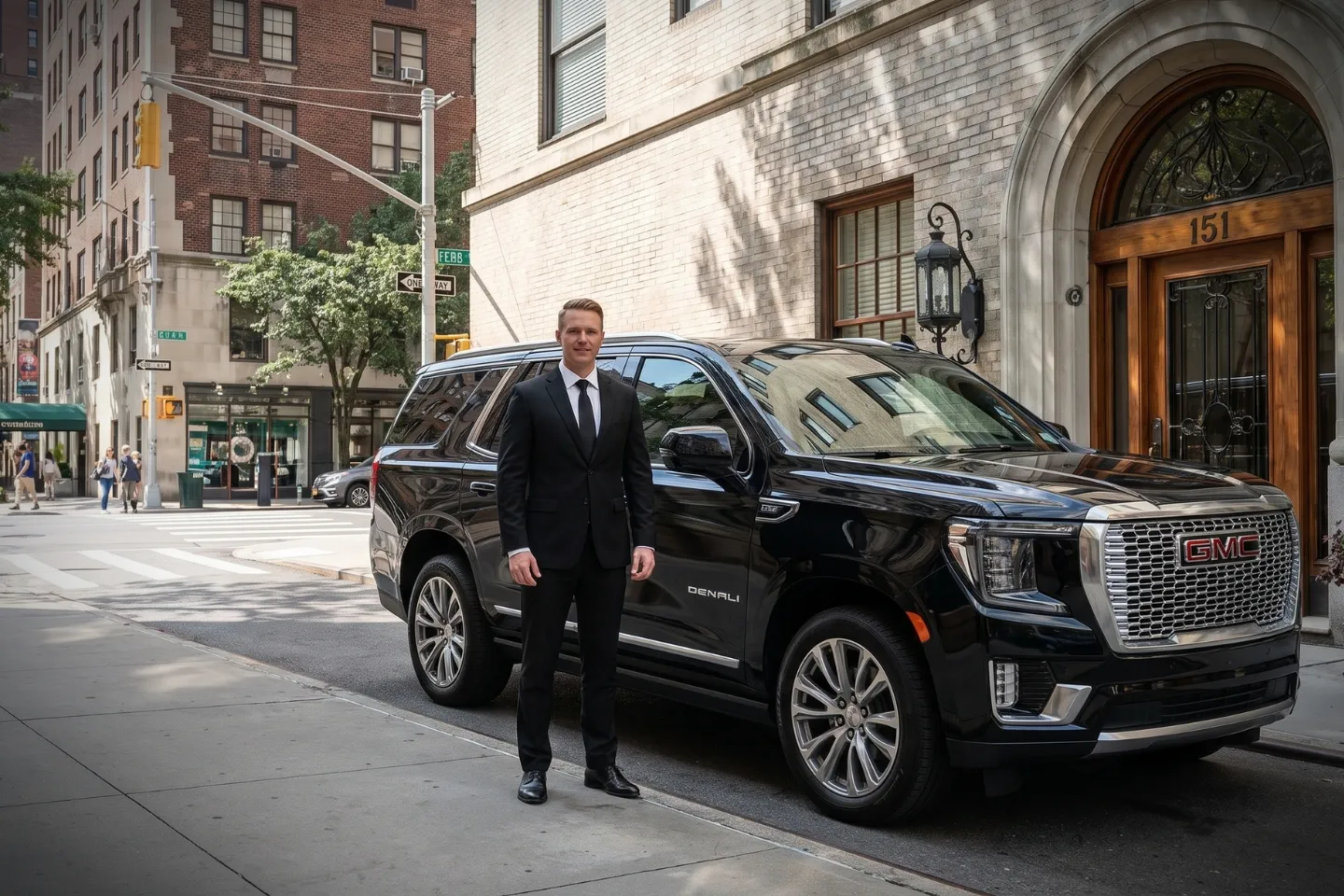
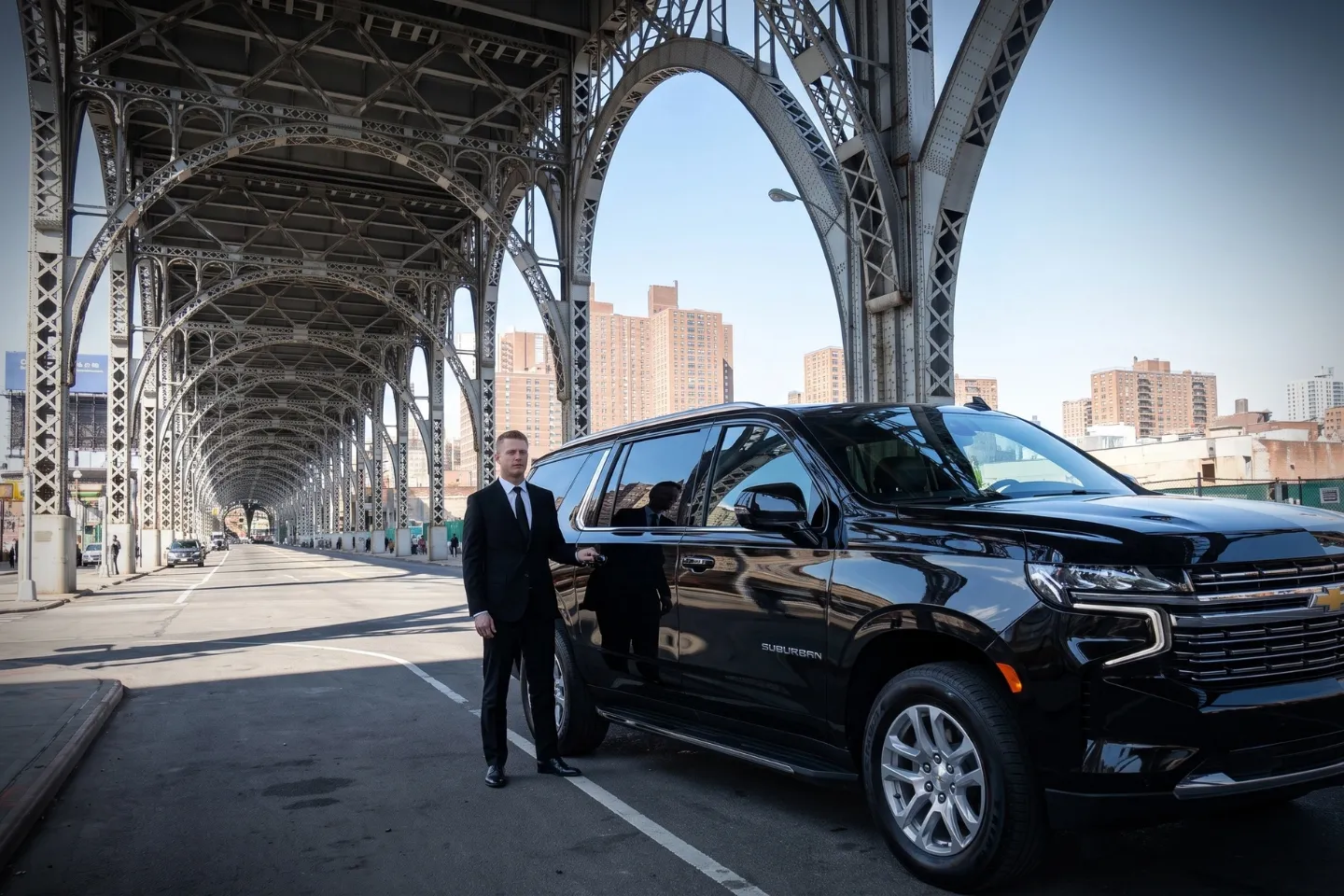
- Presentation: a dark suit, polished shoes, and a tidy appearance.
What Do Hours of Service Rules Mean for Chauffeurs?
Fatigue is a safety issue. For drivers of commercial passenger vehicles, federal rules limit driving to ten hours following eight consecutive hours off duty, within a fifteen hour duty window. Responsible companies apply sensible limits to all of their chauffeurs, whatever the size of the vehicle, and schedule long bookings with rest in mind. A client planning a very long day or a multi-day trip may be told that a second chauffeur is needed, which is a sign of a company that takes safety seriously.
How Does a Chauffeur Differ from Other Drivers?
- Taxi driver: works on demand from a rank or by dispatch, charges a metered fare, and needs the local taxi credential.
- Ride app driver: uses a personal vehicle through a platform, with screening set by the platform and state law.
- Bus driver: holds a commercial license with a passenger endorsement and drives scheduled or charter routes.
- Chauffeur: works by reservation in a company owned luxury vehicle, provides personal service, waits for the client, and is selected and trained for presentation and discretion.
How Do You Become a Chauffeur in Pennsylvania?
- Step 1: Hold a valid Pennsylvania driver's license and build several years of clean driving.
- Step 2: Obtain your own driving record and correct any errors.
- Step 3: Decide which vehicles you want to drive. For buses, begin the commercial license and passenger endorsement process.
- Step 4: Apply to licensed limousine and chauffeur companies in your area.
- Step 5: Complete the employer's background check, drug screen, and road test.
- Step 6: Complete any local certification, such as the Philadelphia process for work within the city.
- Step 7: Train with an experienced chauffeur before taking clients alone.
Most new chauffeurs start with airport transfers in sedans and SUVs, then move to weddings, corporate accounts, and larger vehicles as they gain experience.
What Is the Work Like?
Hours are irregular. Airport runs begin before dawn, weddings fill Saturdays, and corporate clients finish late. Income usually combines an hourly wage with gratuities. The work suits people who enjoy driving, like meeting others, and take pride in doing small things well.
Do Qualifications Need to Be Renewed?
Yes. A chauffeur's standing is checked throughout a career.
- Driver's license: renewed on the state's cycle.
- Commercial medical certificate: renewed at intervals set by the examiner, commonly every two years.
- Driving record: reviewed by the employer and the insurer, often annually.
- Local driver certification: renewed where it applies.
- Random drug and alcohol tests: for commercial license holders and under many company policies.
- Refresher training: when new vehicles, technology, or procedures are introduced.
What Can a Client Ask About a Chauffeur's Qualifications?
Clients are entitled to know who will be driving them. Reasonable questions include the following.
- How do you screen your chauffeurs before hiring?
- Do you check driving records regularly?
- Are chauffeurs tested for drugs and alcohol?
- What training do they receive?
- Does the chauffeur for my vehicle hold the right class of license?
- How long has the assigned chauffeur worked for you?
- Are your chauffeurs employees of the company?
- Will I receive the chauffeur's name and number in advance?
A professional company answers readily. Hesitation tells you something as well.
Why Do the Company's Credentials Matter as Much as the Chauffeur's?
A well qualified chauffeur working for an unlicensed operator is still an uninsured ride. The company must hold operating authority from the Public Utility Commission, the Philadelphia Parking Authority, or the federal government, depending on where it works, and must carry commercial liability insurance. It maintains the vehicles, sets the schedules, and stands behind the service. When you check a chauffeur service, check both layers.
What Does a Qualified Chauffeur Look Like on the Job?
Consider a morning in the working life of an experienced chauffeur in the Philadelphia area. At 4:15 a.m., he inspects the sedan: tires, lights, fluids, and a wipe of the interior. He checks the first client's flight status and the traffic on Interstate 95. At 4:50, he is outside a house in Bryn Mawr, ten minutes ahead of schedule, with the cabin warmed.
The client is a regular who likes quiet in the morning, so the chauffeur greets her, loads the case, and says little. A lane closure appears on the navigation screen, and he takes an alternative he knows from experience. At the terminal, he stops at the door for her airline and has the bag on the curb before she has gathered her coat. By 6:00, he is reviewing the details of his next pickup. None of this is dramatic, and that is the point. Qualifications show in the absence of problems.
How Do Qualifications Affect What You Pay?
Screening, training, proper licensing, and commercial insurance all cost money, and they are reflected in professional rates: about $85 to $120 per hour for a sedan and $110 to $160 for an SUV in 2026. A price far below that range often means one of those items is missing. Our guide to the cost of hiring a chauffeur for a full day explains what the rate covers.
Where Do Qualified Chauffeurs Work?
The same standards apply across our services, from airport transfers to weddings and group travel. See our Pennsylvania airport chauffeur service page, our limo service in Pennsylvania page, and our Sprinter van service in Pennsylvania page. Our guide to booking a chauffeur from Philadelphia International Airport shows the standards in practice, and the vehicles are on our fleet page.
How Do We Select and Train Our Chauffeurs?
Our standard is simple to state. Every driver at Legendary Limousine is background checked, professionally trained, and familiar with local routes. Chauffeurs are matched to vehicles they are licensed and trained to drive, and dispatch supports them 24 hours a day.
Clients often request the same chauffeur again, which tells us that Legendary Limousine has chosen the right people.
Conclusion: What Qualifications Does a Chauffeur Need?
A chauffeur in Pennsylvania needs a valid license for the vehicle, a commercial license with a passenger endorsement for vehicles designed for 16 or above including the driver, a clean driving record, a background check, and any local certification, such as the one used in Philadelphia. Beyond the paperwork, training in smooth driving, service, and discretion makes the difference. The employing company must be licensed and insured as well.
To ride with qualified professionals, contact Legendary Limousine at +1 (718) 221-4771 at any hour or request a quote online. Tell us your plans, and we will assign a chauffeur and a vehicle suited to them.

Jessica K. Smith
- Strategic Writer & Content Manager
Strategic senior writer and content manager with 20+ years in healthcare communications and marketing. Excellent editor committed to producing creative, effective content, from social posts to product collateral to thought…