Ten checks protect your trip and your budget: rental type, license rules, capacity, layout, price, contract, carrier authority, insurance, timing, and the day's plan. Each is explained for California.
Before you sign for a van, ten points deserve your attention: the type of rental, the license rules, the true capacity, the layout, the full price, the contract, the company's authority, insurance, timing, and the plan for the day itself. Getting them right is the difference between a smooth outing and a stressful one. If you are arranging a Sprinter van rental in California, this guide covers each point with 2026 prices and state specific rules. At Legendary Limousine, we have arranged chauffeured group travel since 1997, and the advice below reflects the questions customers ask us most.
The key facts in one line: a chauffeured Sprinter seats 10 to 14, costs about $140 to $220 per hour, and should come from a carrier with a TCP number.
1. Should You Rent with a Driver or Drive Yourself?
This choice shapes everything else.
- Chauffeured service: a licensed carrier provides the van, a professional driver, fuel, and commercial insurance. You pay by the hour, the day, or the transfer.
- Self drive rental: a rental company hands you the keys. You are responsible for driving, fuel, parking, insurance, and any damage.
Chauffeured service suits weddings, wine tours, airport transfers, corporate travel, and any day that involves alcohol or tight timing. Self drive suits informal road trips with a willing and qualified driver. Our guide to renting a Sprinter van with a driver compares the two in detail.
2. What Are the License Rules in California?
Many renters assume any licensed adult can drive a large passenger van. In California, a vehicle designed to carry over ten people, counting the driver, is classed as a commercial vehicle. The Department of Motor Vehicles describes the commercial driver's license requirements on its website. A 12 or 15 seat van falls inside that definition.
If you plan to drive, confirm with the rental company and the state which license the specific vehicle requires. If you hire a chauffeured van, the carrier is responsible for putting a properly licensed driver behind the wheel.
3. How Many People and Bags Will Truly Fit?
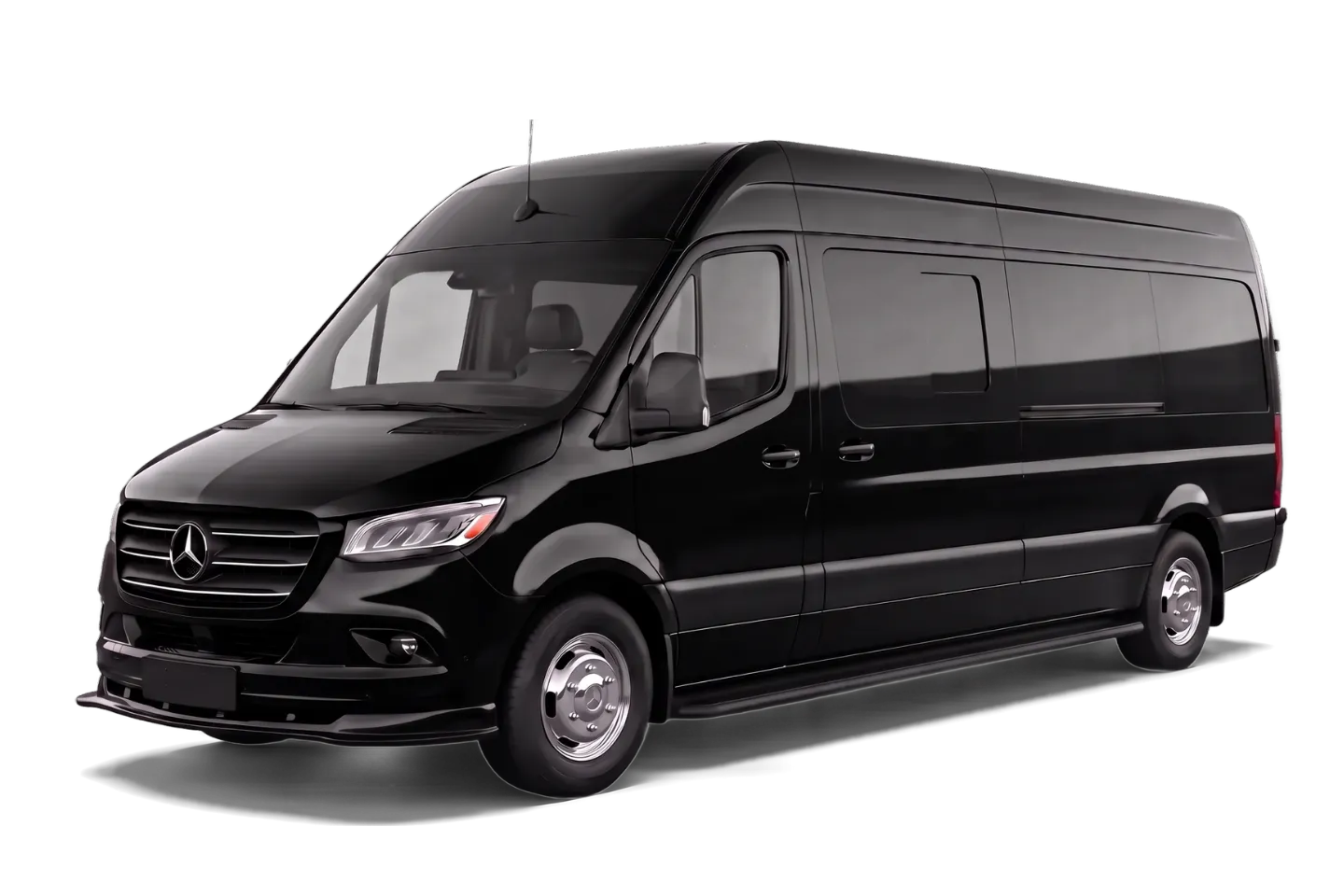
- Standard passenger Sprinter: 12 to 14 seats.
- Executive Sprinter: 8 to 12 captain's chairs.
- Limo style Sprinter: 10 to 14 on perimeter seating.
Seat counts assume light bags. With one large suitcase per person, plan on 10 to 12 passengers. With golf clubs, ski equipment, or two suitcases each, plan on 8 to 10. Children count as passengers, and each car seat takes a full position. Our article on Sprinter van passenger capacity walks through the numbers.
4. Which Layout Matches Your Trip?
- Airport transfers and tours: the standard passenger layout, for its luggage area.
- Business travel: the executive layout, for tables and outlets.
- Weddings and celebrations: the limo style layout, for face to face seating and lighting.
- Long distance comfort: the executive layout with reclining seats.
Ask for photographs of the actual vehicle. Vans differ in age, finish, and features even within one fleet. You can compare vehicle classes on our fleet page.
5. What Will It Really Cost?
- Hourly rate in 2026: $140 to $220, with a three to four hour minimum.
- Airport transfer of 15 to 20 miles: $160 to $270.
- Ten hour day: $1,400 to $2,200.
Charges Beyond the Base Rate
- Gratuity: 15 to 20 percent, often added automatically.
- Tolls: Bay Area bridges and Orange County toll roads.
- Parking and venue fees.
- Airport access fees.
- Fuel surcharge.
- Garage time: some carriers bill from the yard, which matters in a state this large.
- Overtime: billed at the hourly rate, often in 30 minute increments.
- Cleaning fee: for spills or excessive mess.
Request a written total with every item listed. Our breakdown of Sprinter van rental costs in California shows sample prices by route.
For Self Drive Renters
Add the daily rate of $150 to $300, insurance or a damage waiver, a mileage allowance, fuel for a vehicle that averages 15 to 20 miles per gallon, a security deposit held on a credit card, and parking. A young driver fee may apply under age 25.
6. What Should the Contract Say?
Read the agreement before paying a deposit. It should state:
- The vehicle type, layout, and seat count.
- The date, the pickup time, and every address.
- The rate, the minimum hours, and the overtime rate.
- What the price includes and what is billed separately.
- The deposit amount, the balance date, and accepted payment methods.
- The cancellation and date change terms.
- The policy on alcohol, food, smoking, and damage.
- What happens if the vehicle breaks down or the assigned van is unavailable.
Cancellation windows deserve a careful look. Ordinary bookings can often be cancelled 48 to 72 hours ahead. Weddings and peak dates commonly carry windows of 14 to 30 days. Keep a copy of the signed agreement and the payment receipt.
7. Is the Company Licensed to Carry Passengers?
In California, a business that transports passengers for hire needs authority from the Public Utilities Commission. The commission's passenger carrier FAQ explains the TCP number that licensed carriers display on vehicles and in advertising.
- Request the TCP number, and look for it on the company's website.
- Learn whether you are dealing with the operator or a broker.
- If the trip crosses into Nevada, Arizona, or Oregon, confirm that the carrier has federal interstate authority.
- Be cautious of a seller who cannot produce a license number.
8. What Insurance Applies?
With a chauffeured van, the carrier's commercial policy covers passengers. Request a certificate of insurance, and note that wedding venues, studios, and corporate campuses often ask to be named on it.
With a self drive van, do not assume you are covered. Many personal auto policies and credit card benefits exclude vans above a certain seat count. Call your insurer, read the rental company's coverage options, and decide before you reach the counter.
9. When Should You Book?
- Weekday airport transfers: one to two weeks ahead.
- Weekend events: three to four weeks.
- Summer Saturdays: six to eight weeks.
- Wine country harvest weekends in September and October: six to eight weeks.
- Desert festival weekends in April: two to three months.
- Awards season, major conventions, and holidays: two to three months.
- Winter weekends for Lake Tahoe and Mammoth: four to six weeks.
Sprinters form a small part of most fleets and sell out early. Midweek dates are easier to secure and usually cheaper.
10. How Should You Plan the Day?
Allow for Traffic
Los Angeles, the Bay Area, and San Diego slow down from about 6:30 to 10:00 a.m. and 3:00 to 7:30 p.m. A 20 mile trip can take 30 minutes or 80. Plan each leg for the hour it will be driven, and add a cushion before any fixed appointment such as a ceremony, a flight, or a tasting reservation.
Know the Size of the Vehicle
A high roof Sprinter is about 24 feet long and over 9 feet tall. It will not enter most parking structures. Check that your pickup and your venues have a place where a van can stop, and send gate codes for private communities and rural properties.
Confirm Venue Rules
Many wineries require appointments for groups and limit vehicle size. National parks may charge commercial vehicles a separate entry fee. Some hotels and event venues assign loading areas. A call ahead saves trouble at the gate.
Prepare for the Terrain and the Season
- Mountains: winter routes to Lake Tahoe, Mammoth, and Big Bear may require chains, and passes can close.
- Coast: Highway 1 through Big Sur is slow and winding, and sections close after storms.
- Desert: summer heat in Palm Springs and Death Valley calls for extra water and a vehicle with strong rear air conditioning.
- Fire season: late summer and autumn closures can alter routes at short notice.
Give Clear Instructions
Send the company a written itinerary with addresses, times, and a mobile number for the group's contact person. Name one person to speak with the chauffeur. Reconfirm 48 hours ahead.
How Do Deposits, Payments, and Tips Work?
Most carriers hold the van with a deposit of 20 to 50 percent and collect the balance a few days before the trip, or on the day by card. Pay with a traceable method. A gratuity of 15 to 20 percent is customary for the chauffeur. Many companies add it to the invoice, so read the quote before handing over cash. When friends are sharing the cost, one person should pay the company and collect from the rest, because the contract is with a single customer.
How Does a Sprinter Compare with the Alternatives?
- SUV, up to 6 passengers, $110 to $160 per hour: the better choice for small groups.
- Stretch limousine, $150 to $275 per hour: capacity depends on the model, with sedan based stretches seating 6 to 10. A classic look with a low roof.
- Sprinter, 10 to 14 passengers, $140 to $220 per hour: standing height, easy boarding, and luggage room.
- Party bus, 20 to 30 passengers, $200 to $400 per hour: a celebration on wheels.
- Mini charter bus, 24 to 35 passengers, $160 to $300 per hour: the step up when the group passes 14.
From about seven passengers, one Sprinter usually costs less than two smaller vehicles and keeps the group in a single conversation.
What If Someone in the Group Has Mobility Needs?
Raise the subject at the first call. Some vans are fitted with a lift or ramp and wheelchair securement, though availability differs by company and region. A standard Sprinter has a step at the sliding door and a grab handle, which many passengers manage with a steadying hand. A folding wheelchair or walker travels in the rear area. Ask the chauffeur to stop as close to each entrance as the rules permit.
What Happens If Something Goes Wrong on the Day?
- The group runs late: call dispatch early. Extra time is billed at the overtime rate if the van's schedule allows it.
- A flight is delayed: with flight tracking, the pickup moves automatically.
- The van has a mechanical problem: a reputable carrier sends a replacement and adjusts the bill. Check that the contract says so.
- A road closes: the chauffeur reroutes, and the itinerary may need trimming.
- An item is left behind: contact the company promptly, since vans are cleaned between jobs.
Which Questions Should You Ask Before Booking?
- What is your TCP number, and are you the operator?
- Which exact van will be sent, and how many seats does it have?
- How many suitcases fit with every seat in use?
- Is the price hourly or flat, and what is the minimum?
- Does billing begin at my pickup or at your garage?
- Are gratuity, tolls, parking, and airport fees included?
- What is the overtime rate?
- What are the deposit and cancellation terms?
- What is your policy on alcohol, food, and children's car seats?
- Who is my contact on the day?
Which Warning Signs Should Make You Pause?
- A price far below every other quote.
- No license number, or reluctance to provide one.
- No written contract, or a request for full payment in cash.
- Vague answers about which vehicle will arrive.
- Stock photographs in place of pictures of the real van.
- Pressure to commit immediately.
- No physical address or working phone line.
The Federal Motor Carrier Safety Administration lists the top three things to know when planning a trip with a passenger carrier, and the same thinking applies to vans: research the company, check its safety record, and confirm its authority and insurance.
What Are the Rules Once You Are on Board?
- Seat belts: required for every passenger under California law.
- Children: an appropriate car seat or booster for young children, in hired vehicles as in private cars.
- Alcohol: company policies vary, and stricter rules apply when passengers under 21 are present. Ask in advance.
- Smoking and vaping: prohibited.
- Capacity: the chauffeur cannot exceed the number of seats.
- Damage: the person who signs the contract is responsible for the group's conduct.
What Should Self Drive Renters Check at Pickup?
- Walk around the van and photograph every panel, the roof line, and the wheels.
- Note the fuel level and the mileage on the agreement.
- Learn the vehicle's height, and keep it in view on the dashboard.
- Adjust the mirrors, and practice reversing in the lot.
- Check the tires, lights, and seat belts.
- Find out whether the van takes diesel or gasoline.
- Save the roadside assistance number.
Loaded passenger vans handle differently from cars. They need longer stopping distances, they are affected by crosswinds on open highways, and they should be loaded with weight low and forward. Drive below your usual speed until you are used to the vehicle.
What Is a Sprinter Best Used For?
- Wine tours: Napa, Sonoma, Paso Robles, Santa Ynez, and Temecula.
- Airport transfers: groups of 8 to 12 with luggage. Our California airport Sprinter van service page covers the major airports.
- Weddings: wedding party transport and guest shuttles. See our guide to Sprinter vans for weddings.
- Corporate travel: roadshows and offsites.
- Family trips: our article on renting a Sprinter van in Los Angeles for a family trip has planning ideas.
- Concerts, games, and nights out.
A Booking That Went Right
Imagine a group of twelve planning a 40th birthday in Paso Robles. The organizer starts eight weeks ahead, requests quotes from three licensed carriers, and compares totals with gratuity included. She confirms a 14 seat passenger van, books eight hours for a seven hour plan, sends the winery appointments in writing, and reconfirms two days before. On the day, a tasting runs long, the spare hour absorbs it, and the invoice matches the quote. The example is an illustration, though it shows what the ten points achieve.
What Do We Offer?
Legendary Limousine has provided chauffeured transportation since 1997. Dispatch is staffed 24 hours a day, flights are tracked, and airport arrivals include one hour of complimentary waiting with a meet and greet on request.
- Sedans for up to 3 passengers, including the Mercedes-Benz E-Class and S-Class.
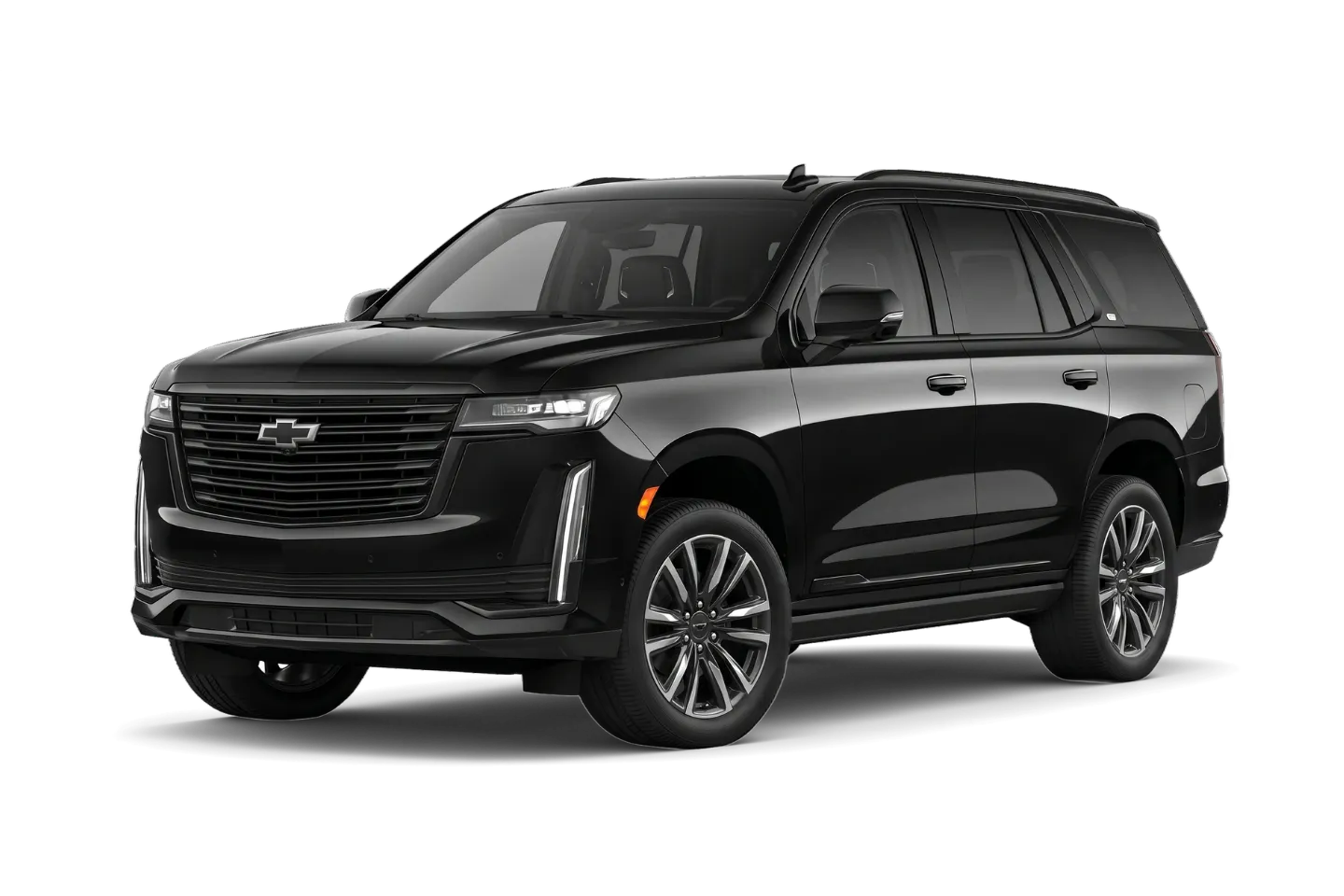
- SUVs for up to 6 passengers, such as the Cadillac Escalade.
- Sprinter vans for 10 to 14 passengers.
- Party buses for 20 to 30 passengers.
- Mini charter buses for 24 to 35 passengers.
- Motor coaches for up to 56 passengers.
Every driver is background checked, professionally trained, and familiar with local routes. We put the vehicle, the price, and the terms in writing before you pay.
Why Book with Us?
- Nearly three decades of experience.
- Clear quotes with the extras shown.
- Advice on vehicle size and timing.
- One contact from the first call to the final drop off.
Ready to Rent a Sprinter Van in California?
Before renting, decide between chauffeured and self drive service, check the license rules, count passengers and bags, choose a layout, and get the full price in writing. Read the contract, verify the TCP number and insurance, book early for peak dates, and plan the day around traffic and venue rules. Ten checks, an hour of preparation, and the trip takes care of itself.
For a written quote, call Legendary Limousine at +1 (718) 221-4771 or send your details online to Legendary Limousine. Tell us your date, your group size, and your plans, and we will recommend the right vehicle.

Jessica K. Smith
- Strategic Writer & Content Manager
Strategic senior writer and content manager with 20+ years in healthcare communications and marketing. Excellent editor committed to producing creative, effective content, from social posts to product collateral to thought…