Organizing a class visit to the Capitol, a mission, or a museum? Find out where schools book coaches, what California requires for student trips, 2026 costs per student, and how to plan the whole day.
A field trip succeeds or fails on its transportation, and California adds rules for student travel that organizers need to know before they book. Teachers and parent volunteers who need a charter bus in California for a class outing can book through a licensed charter carrier, through the district's own bus contractor, or through a tour operator, provided the bus and driver meet the state's requirements for carrying pupils. At Legendary Limousine, we have arranged group travel since 1997, and this guide explains where to book, what the law expects, what a trip costs in 2026, and how to plan a day that runs on time.
It applies to public, private, charter, and parochial schools, along with youth sports clubs and scout groups.
Where Can You Book a Bus for a School Trip?
A Licensed Charter Bus Carrier
Booking directly with a carrier that operates motor coaches and mini buses gives you a named operator, a written contract, and a dispatcher on the day. Coaches suit longer trips, such as Sacramento to San Francisco or Los Angeles to San Diego, where comfort, luggage space, and a restroom matter. For school work, the carrier must be able to supply buses and drivers certified for pupil activity trips, as explained below.
Your District's Bus Contractor
For short local trips during school hours, the yellow buses on the daily routes are often the cheapest choice. They are usually tied up for the morning and afternoon runs, which limits field trips to a window between about 9:00 a.m. and 2:00 p.m. They have no luggage bays and no restroom, so they suit trips of an hour or less.
An Educational Tour Operator
Tour companies package the bus with admissions, guides, meals, and hotels. This suits overnight trips to Sacramento, science camps, and mission tours. The price per student is higher, and you should still confirm which carrier will provide the bus.
A Transportation Broker
A broker finds a bus from a network of carriers, which can help in peak season. A reputable broker names the operating carrier, and you should verify that carrier and its certification for school trips yourself.
What Does California Require for School Activity Trips?
California regulates buses that carry students to school activities under contract with a school. Such a vehicle is known as a school pupil activity bus, often shortened to SPAB.
- The bus: must be inspected and certified by the California Highway Patrol, with a current inspection approval certificate.
- The driver: must hold the appropriate commercial license with a passenger endorsement and a special certificate to drive pupils on activity trips, which involves training, testing, a medical examination, and fingerprinting.
- The carrier: must hold operating authority from the California Public Utilities Commission.
The California Department of Education summarizes the training rules for these drivers in an instructor bulletin, which notes that an original applicant must complete a course of at least 35 hours. When you request a quote for a school trip, say at the outset that the passengers are pupils, then have the carrier confirm in writing that the bus and driver assigned are certified for pupil activity transportation. Your district's transportation office will know the exact documents it requires.
What Is the Difference Between a School Bus and a Motor Coach?
- Capacity: a full size motor coach seats up to 56 passengers. A school bus seats a similar number of young children and fewer teenagers or adults.
- Comfort: coaches have reclining high back seats, climate control, and a smooth ride at freeway speed.
- Storage: coaches carry bags, lunches, and equipment beneath the floor.
- Restroom: most coaches have one, which reduces stops on long drives.
- Availability: coaches can leave at 6:00 a.m. and return late, free of the daily route schedule.
- Cost: school buses cost less for short local trips. Coaches give better value on long days.
What Else Should a School Check Before Booking?
Operating Authority
The California Public Utilities Commission licenses charter party carriers, which charter vehicles for the exclusive use of a group. Request the carrier's TCP number. For trips into Nevada, Arizona, or Oregon, the carrier also needs federal registration.
Insurance
Request a certificate of insurance naming the school or district. Your business office will know the coverage level it requires for student transportation.
Safety Record
The Federal Motor Carrier Safety Administration lists three things to know when planning a bus trip, including how to look up a carrier's record.
Vehicle Condition
Find out the age of the vehicle and whether every seat has a belt. Newer motor coaches are built with lap and shoulder belts.
District Approval
Many districts keep a list of approved carriers and require trip forms weeks in advance. Start with your own office.
How Much Does a School Trip Bus Cost in 2026?
- Sprinter van, 10 to 14 passengers: $140 to $220 per hour.
- Mini charter bus, 24 to 35 passengers: $160 to $300 per hour.
- Full size motor coach, up to 56 passengers: $180 to $340 per hour.
Hourly bookings usually carry a minimum of three to five hours. A full day of about ten hours in a motor coach comes to roughly $1,800 to $3,400 before parking, tolls, and gratuity.
What Does That Mean per Student?
For a seven hour local trip in a coach with 48 students and 6 chaperones, the bus costs roughly $1,260 to $2,380, or about $26 to $50 for each of the 48 students. For a ten hour day trip, the figure is about $38 to $71 each. Parent associations and grants often help with the bus, since transportation is usually the largest cost of a field trip. Our article on what a charter bus costs in California explains rates and extras in full.
Which Destinations Do California Schools Visit?
Sacramento
The State Capitol, the railroad museum, and the old town are a staple of the fourth grade curriculum, which covers California history. Spring weekdays fill quickly.
The Missions
The chain of Spanish missions from San Diego to Sonoma draws fourth graders throughout the state. Many schools visit the mission nearest to them, such as San Juan Capistrano, Santa Barbara, Carmel, or San Juan Bautista.
Los Angeles
The science center, the natural history museum, the observatory in Griffith Park, the tar pits, and the art museums serve schools across Southern California. Each has its own bus arrangements and reservation rules.
The Bay Area
Science museums in San Francisco and San Jose, the aquarium in Monterey, the waterfront, and Angel Island are popular. Coach access and parking in San Francisco need planning.
San Diego
Balboa Park with its museums and zoo, the old town, and the maritime museum fit well into a single day.
Outdoor Education
Science camps in the mountains, the redwoods, tide pools, and the national parks take students out of the classroom for one to five days. Mountain roads and winter weather call for experienced drivers.
Theme Parks and Universities
End of year trips to parks in Anaheim and Valencia, band and choir festivals, and campus tours for older students round out the calendar.
When Should a School Book?
March through early June is the busiest period of the year for coaches in California. Every school wants the same weekdays, and proms and graduations take the weekends. Reserve three to six months ahead for spring, which means booking in the autumn. Buses and drivers certified for pupil trips are a smaller pool than the general fleet, which makes early booking even more important. For autumn and winter trips, four to eight weeks is usually enough.
How Do You Choose the Right Size?
- Up to 14 travelers: a Sprinter van for a small club or team.
- 15 to 35 travelers: a mini charter bus for one class with chaperones.
- 36 to 56 travelers: one full size motor coach for two classes.
- 57 or above: two or three coaches, loaded by class.
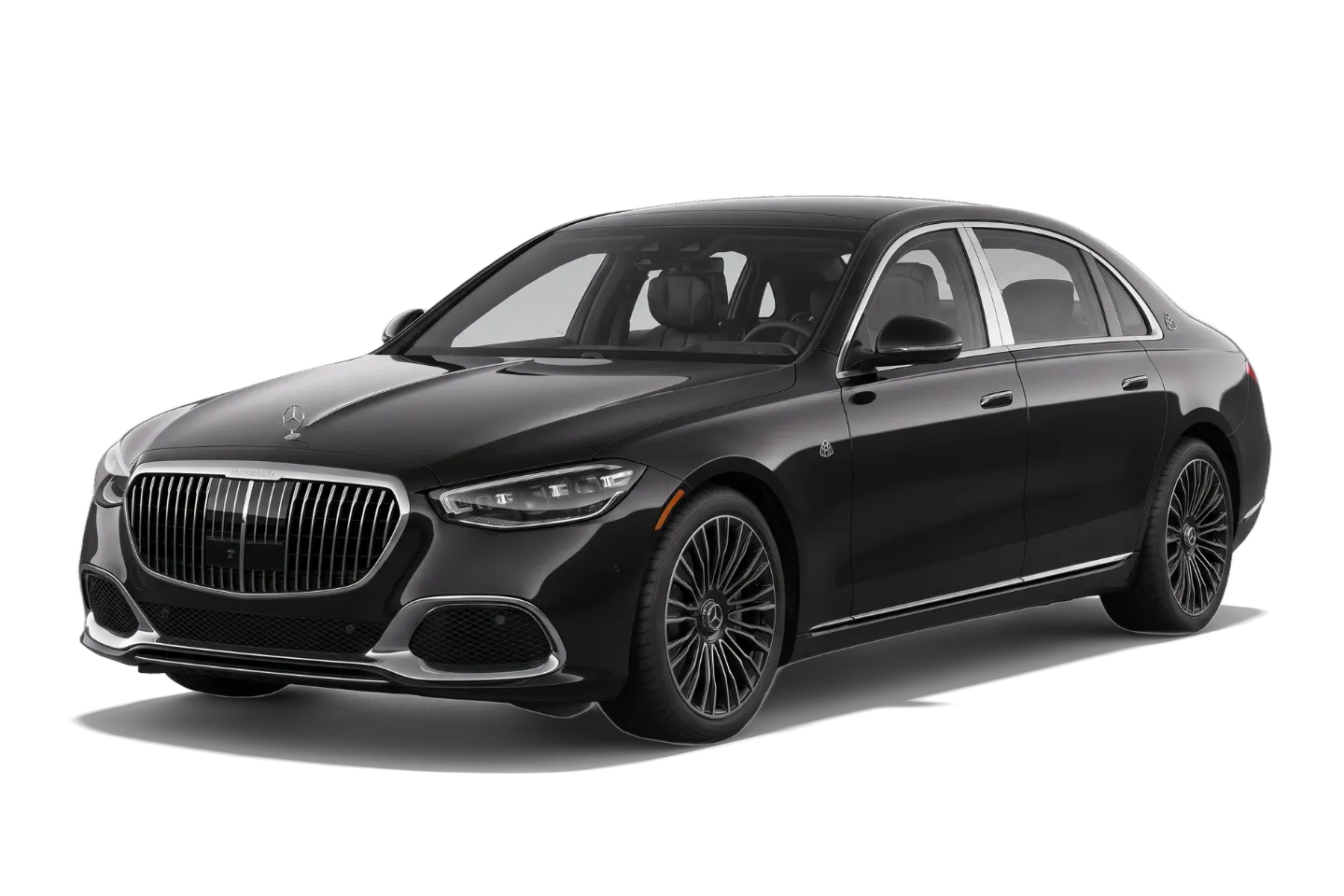
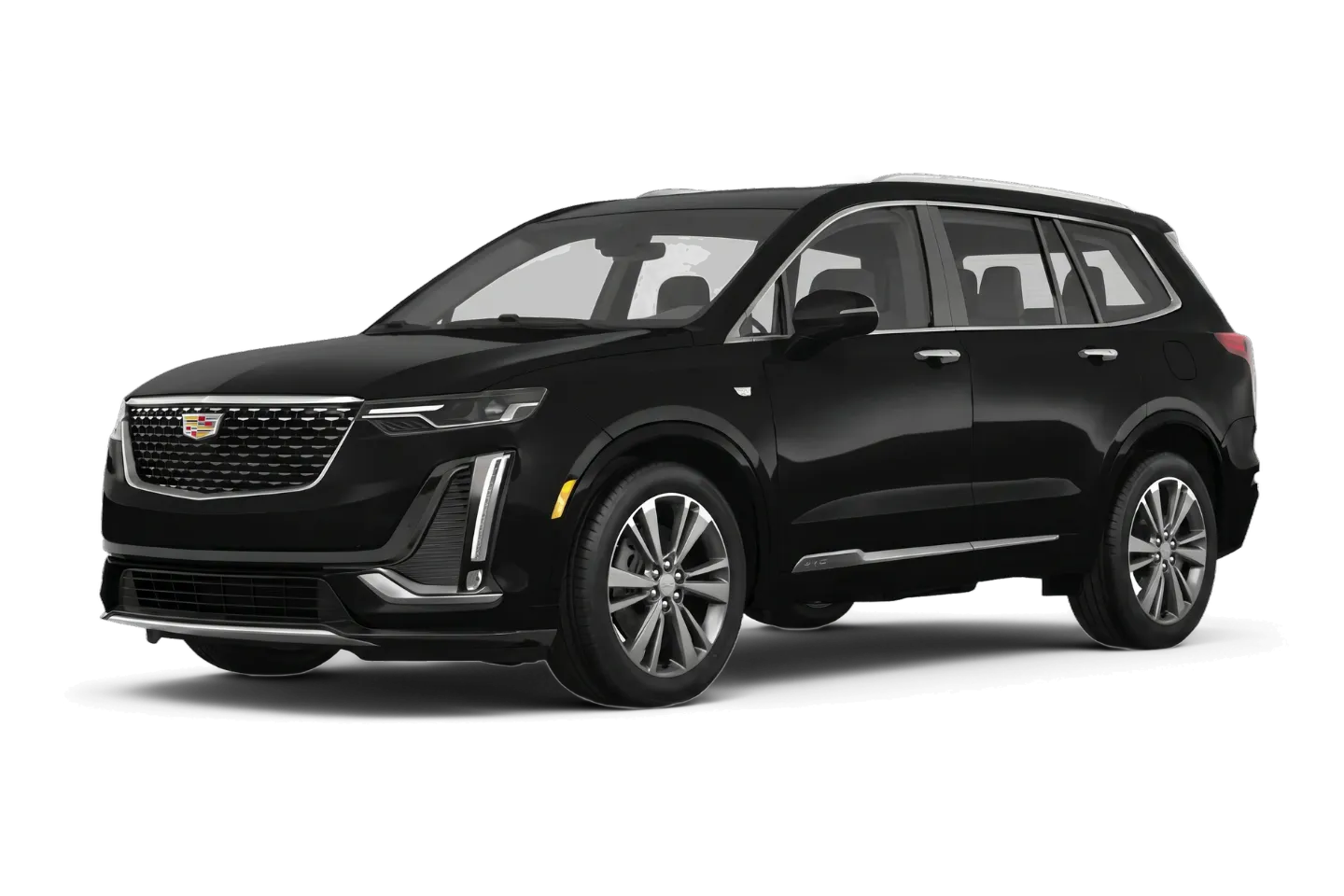
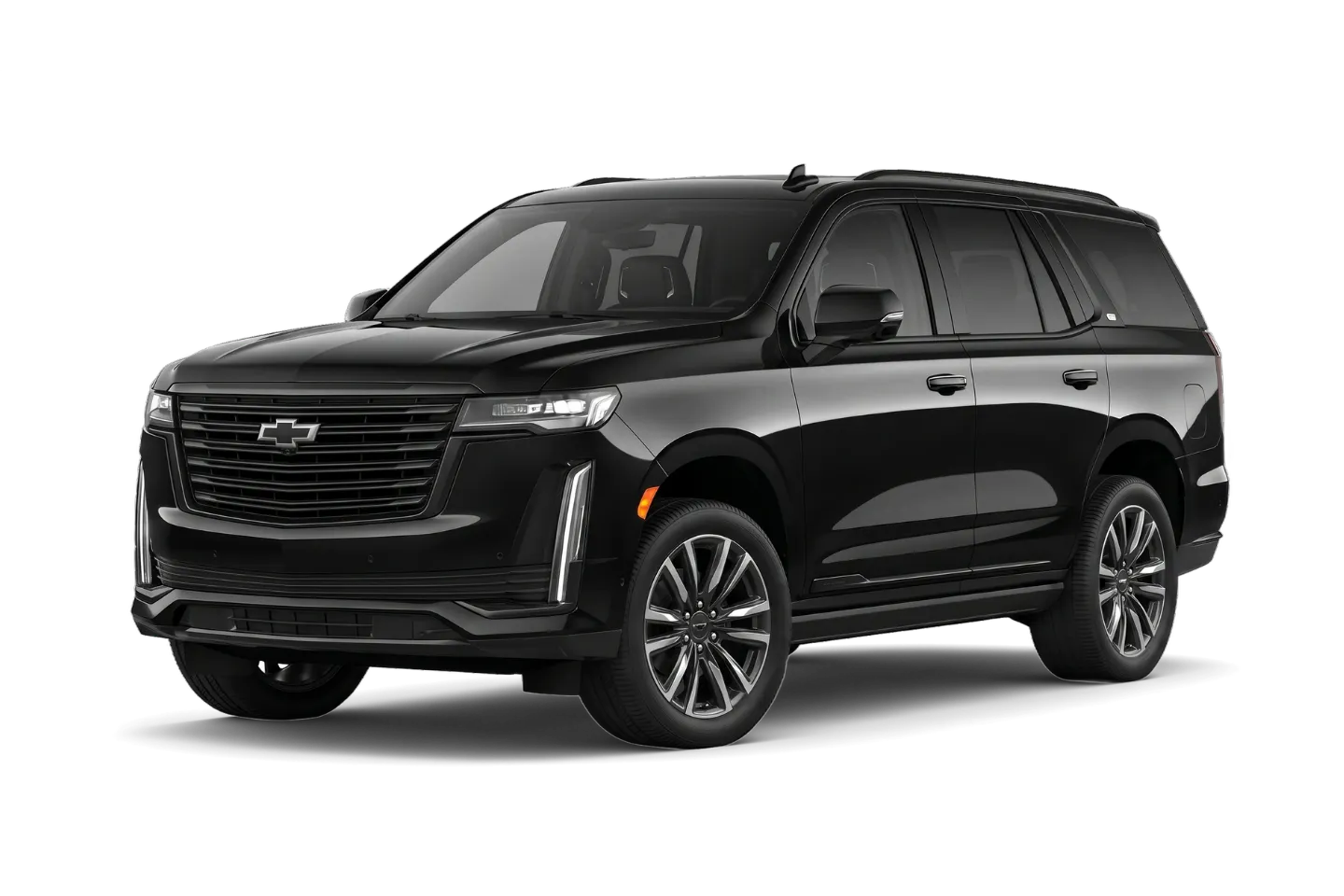
Count chaperones, aides, and nurses along with students. In California, vehicles designed to carry over ten people including the driver require a commercially licensed driver, so even a van for a small team comes with a professional at the wheel. Our guide to choosing a bus for 40 passengers covers the in between sizes, our page on Sprinter van service in California covers small groups, and photographs are on our fleet page.
How Do You Plan the Day?
Build the Schedule Backward
Start with the time students must be back for dismissal. Subtract the drive at that hour of day, a cushion of thirty minutes for traffic, and the time needed at the destination. In Los Angeles and the Bay Area, the afternoon return is the slowest leg, so leave the venue earlier than feels necessary.
Plan the Loading
Assign students to a bus and, for younger grades, to a seat. Load by class with a chaperone holding the roster at the door. Lunches and medical bags go on first.
Set the Chaperone Ratio
Districts set their own ratios. One adult for every ten students is common for older grades, with closer supervision for younger children.
Confirm Drop-Off and Parking
Museums and parks have designated bus entrances and separate parking. Send the address and any reservation number to the carrier in advance.
Prepare for Health Needs
Carry emergency forms, medications, and a first aid kit in one bag near the front. Tell the driver if a student may need an unscheduled stop.
Agree the Rules for the Ride
- Stay seated with belts fastened while the bus is moving.
- Keep the aisle clear.
- Follow the district's policy on food and devices.
- Use quiet voices.
- Take all belongings and trash at the end.
What About Accessibility?
If a student or staff member uses a wheelchair, tell the carrier at the first inquiry. Lift equipped coaches exist and are limited in number, so they need the longest notice. A wheelchair position reduces regular seating, which may affect the size of bus you need.
How Do Overnight and Out of State Trips Differ?
A science camp in the Sierra, a band festival in another city, or a trip to Ashland or Las Vegas adds several layers. Driver hours are limited to ten hours of driving after eight consecutive hours off duty, so a very long day may need a second driver. On overnight trips, the school provides the driver's hotel room. Crossing a state line requires a carrier with federal authority. Mountain trips in winter need time for chain controls and a plan for road closures. Build these into the budget and the schedule from the start.
How Do Schools Pay for the Bus?
The usual method is a per student fee that combines the bus share with admissions. Parent associations frequently subsidize transportation so that every child can take part. Grants from foundations, museums, parks, and environmental education programs sometimes cover the bus for qualifying schools. When you request a quote, mention that the booking is for a school, and find out whether the carrier accepts a district purchase order.
What Happens If Plans Change?
Read the cancellation terms before signing. Many contracts allow a date change with enough notice and charge a fee inside a set window. Find out how the carrier handles a closure of the destination, poor air quality from wildfire smoke, or a storm that shuts a mountain road. A flexible policy is worth a slightly higher price for trips that depend on the weather.
Which Questions Should You Put to the Carrier?
- What is your TCP number, and do you hold federal authority for interstate trips?
- Are the bus and driver for our trip certified for pupil activity transportation?
- Will your own company operate the bus?
- Can you send a certificate of insurance naming our school?
- How old is the vehicle, and does every seat have a belt?
- What is included in the quote, and what is billed afterward?
- What is the overtime rate if we return late?
- What happens if the bus has a mechanical problem?
- Who do we call on the day?
What Does a Well Run Field Trip Look Like?
An elementary school in Stockton plans a fourth grade visit to the State Capitol in May. In October, the lead teacher reserves two motor coaches for 98 students and 12 adults. She tells the carrier that the passengers are pupils, and the confirmation states that both buses and both drivers hold the certification for school activity trips. The district office receives the insurance certificate the same week.
On the day, the coaches are at the school by 7:45 a.m. Students board by class, and the buses leave at 8:15. The 50 mile drive takes about an hour. The drivers unload at the bus zone near the Capitol and move to the coach parking area. After the tour and lunch in the park, the teacher calls the drivers at 1:15, and the group is back at school by 2:45 for dismissal. With two coaches for about seven hours, the transportation comes to between $26 and $49 per student.
Which Mistakes Do Schools Make?
- Booking in March for May: certified buses are scarce by then.
- Not mentioning that the passengers are students: the carrier may assign a bus or driver without the right certification.
- Choosing on price alone: an uninsured or unlicensed operator puts students at risk.
- Underestimating traffic: a late return means overtime and anxious parents.
- Forgetting parking and entry fees: these belong in the per student cost.
- Skipping the written contract: every detail should be on paper.
How Do You Book, Step by Step?
- Step 1: Get approval from your administration and learn the district's carrier requirements.
- Step 2: Fix the date, the destination, and the headcount.
- Step 3: Request written quotes from two or three licensed carriers, stating that the trip is for pupils.
- Step 4: Verify authority, certification, insurance, and safety record.
- Step 5: Sign the contract and pay the deposit.
- Step 6: Send the final itinerary and headcount two weeks ahead.
- Step 7: Reconfirm two days before and exchange mobile numbers.
Groups flying to a competition can combine the bus with an airport transfer. Our California airport charter bus service page explains group pickups.
Why Do Schools and Youth Groups Contact Us?
Safety and punctuality come first when the passengers are children. Every driver at Legendary Limousine is background checked, professionally trained, and familiar with local routes. Dispatch is staffed 24 hours a day, quotes are written and complete, and one coordinator stays with your booking. For school trips, tell us at the first inquiry so that vehicles and drivers with the correct California certification can be arranged.
Teachers tell us that Legendary Limousine lets them think about the lesson instead of the logistics.
Conclusion: Where Should You Book a School Trip Bus?
For short local trips during school hours, your district's bus contractor is often simplest. For longer days, trips with luggage, and overnight travel, book a motor coach or mini bus from a licensed California carrier whose bus and driver are certified for pupil activity trips. Check the TCP number, insurance, and certification, reserve three to six months ahead for spring, and budget roughly $26 to $71 per student for the bus on a day trip in 2026.
To plan your trip, contact Legendary Limousine at +1 (718) 221-4771 at any hour or request a quote online. Send us your date, your headcount, and your destination, and we will recommend a vehicle and confirm a clear price.

Jessica K. Smith
- Strategic Writer & Content Manager
Strategic senior writer and content manager with 20+ years in healthcare communications and marketing. Excellent editor committed to producing creative, effective content, from social posts to product collateral to thought…