Budgeting a group outing to Disneyland, Napa, or Yosemite? See 2026 hourly and day rates for mini buses and motor coaches, sample trip itineraries with totals, and smart ways to cut the cost per seat.
California is a large state with long distances between its cities, which makes a bus the natural way to move a group and makes the price worth understanding before you book. For a charter bus in California, most groups pay between $160 and $340 per hour in 2026, depending on the size of the vehicle, the length of the trip, and the season. At Legendary Limousine, we have arranged group transportation since 1997, and this guide breaks the cost down with hourly and daily figures, sample trips from Los Angeles, San Francisco, San Diego, and Sacramento, and practical ways to lower the price per person.
The figures are planning estimates. Your written quote, built on your own itinerary, is the number to rely on.
What Does a Charter Bus Cost in California in 2026?
- Sprinter van, 10 to 14 passengers: $140 to $220 per hour.
- Mini charter bus, 24 to 35 passengers: $160 to $300 per hour.
- Full size motor coach, up to 56 passengers: $180 to $340 per hour.
- Party bus, 20 to 30 passengers: $200 to $400 per hour.
Hourly bookings usually carry a minimum of three to five hours, with longer minimums on Saturdays and during major events. A full day of about ten hours in a motor coach comes to roughly $1,800 to $3,400 before parking, tolls, and gratuity.
How Is a Charter Bus Priced?
Hourly Rates
Local trips are billed by the hour for the time the bus and driver are assigned to your group, including waiting at the venue. Wedding shuttles in Napa, corporate transfers in Silicon Valley, and stadium trips in Los Angeles are priced this way.
Day Rates
A full day of touring is quoted as a day rate based on about ten hours. A day with a mini bus runs roughly $1,600 to $3,000, and a day with a motor coach roughly $1,800 to $3,400.
Mileage Rates
Long one way trips, such as Los Angeles to San Francisco or San Diego to Sacramento, may be priced by the mile. The quote allows for the distance the empty bus travels back to its base.
Multi-Day Rates
Tours of several days combine a day rate for each day with the driver's hotel room. Federal rules limit a bus driver to ten hours of driving after eight consecutive hours off duty, within a fifteen hour duty window, so a long itinerary may need a second driver or an overnight stop.
Which Factors Change the Price?
Vehicle Size
A motor coach costs above a mini bus by the hour and far less by the seat. Matching the vehicle to the headcount is the biggest decision in the budget.
Distance
California's scale matters. Los Angeles to San Francisco is about 380 miles, a six hour drive in good conditions. A trip that looks like one day on a map may be two.
Season
April through June is the peak for school trips, proms, graduations, and weddings. Summer brings tours to the national parks and the coast. September and October are busy with wine country harvest events and conventions. January and February are the quietest and least expensive months in most of the state.
Major Events
The Rose Parade, awards season in Los Angeles, the desert music festivals in April, the comic convention in San Diego in July, large technology conferences in San Francisco, and college football Saturdays all tighten supply. Book early for those dates.
Location
Los Angeles, the Bay Area, San Diego, and Sacramento have the largest supply. In the Sierra, on the North Coast, and in the desert, a bus often travels from a city garage, and that time is part of the quote.
Traffic
Congestion on Interstate 405, Interstate 5, and Highway 101 lengthens local bookings. A trip of 20 miles across Los Angeles at 5:00 p.m. can take ninety minutes, and hourly billing reflects it.
Amenities
Standard coaches have reclining seats, climate control, overhead racks, and luggage bays. Wi-Fi, power outlets, and a restroom are common on newer vehicles. Request what you need when you ask for the quote.
What Do Typical California Trips Cost?
The examples below use the 2026 hourly ranges and exclude parking, tolls, permits, and gratuity.
Los Angeles to Disneyland and Back
Anaheim is about 26 miles from downtown Los Angeles. A ten hour day with a full day at the park costs roughly $1,800 to $3,400 in a motor coach, or $36 to $68 each for 50 passengers.
San Francisco to Napa Valley
The wineries are about 50 miles north. A nine hour day in a mini bus for 30 guests costs roughly $1,440 to $2,700, or $48 to $90 each.
Los Angeles to San Diego
The cities are about 120 miles apart. A twelve hour day trip in a motor coach costs roughly $2,160 to $4,080, or $43 to $82 each for 50.
Los Angeles to Las Vegas
The drive is about 270 miles and takes four to five hours. This is usually an overnight trip, priced at two day rates plus the driver's room, or roughly $3,600 to $6,800 for a motor coach.
San Francisco to Yosemite
The valley is about four hours away. A day trip runs to fourteen hours or longer, which often calls for an overnight stay. Park entrance fees for commercial vehicles apply.
Sacramento to Lake Tahoe
About 100 miles over the Sierra. A ten hour ski day in a motor coach costs roughly $1,800 to $3,400, with extra time allowed in winter for chain controls.
A Corporate Shuttle in Silicon Valley
A mini bus moves staff between a hotel and a campus for five hours. The cost is roughly $800 to $1,500.
A Wedding Shuttle in Santa Barbara
A mini bus runs loops between hotels and a ranch venue for six hours. The cost is roughly $960 to $1,800.
Which Extras Should You Budget For?
Parking and Permits
Theme parks, stadiums, beaches, and city attractions charge for bus parking, and popular sites require reservations. National parks charge commercial entry fees. Downtown San Francisco and parts of Los Angeles restrict where coaches may stop.
Tolls
California has few toll highways. Bay Area bridges charge in one direction, with a higher rate for buses, and toll roads and express lanes operate in Orange County and elsewhere. Tolls are passed through at cost or included.
Driver Gratuity
A tip of 10 to 20 percent of the fare is customary for a charter driver. Many companies add it to the invoice. Tips are income for the driver, as the Internal Revenue Service explains on its page about tip recordkeeping and reporting.
Driver Lodging
On overnight trips, the group provides a hotel room for the driver.
Fuel Surcharge
Fuel costs above the national average in California, and certain quotes carry a surcharge. A clear quote states whether fuel is included.
Overtime
Time beyond the booked hours is billed at the hourly rate. Build a realistic schedule, especially for anything that crosses Los Angeles or the Bay Area at rush hour.
Cleaning Fees
Food and drink policies vary, and a bus left in poor condition can incur a charge.
How Much Is the Cost per Person?
The price covers the vehicle, so each filled seat lowers the share. For a ten hour day in a motor coach at $1,800 to $3,400:
- 30 passengers: $60 to $113 each.
- 40 passengers: $45 to $85 each.
- 50 passengers: $36 to $68 each.
- 56 passengers: $32 to $61 each.
Compare that with fifteen cars for 50 people, each paying for fuel and parking and each needing a driver willing to sit in traffic on the way home.
Which Size of Vehicle Fits Your Group?
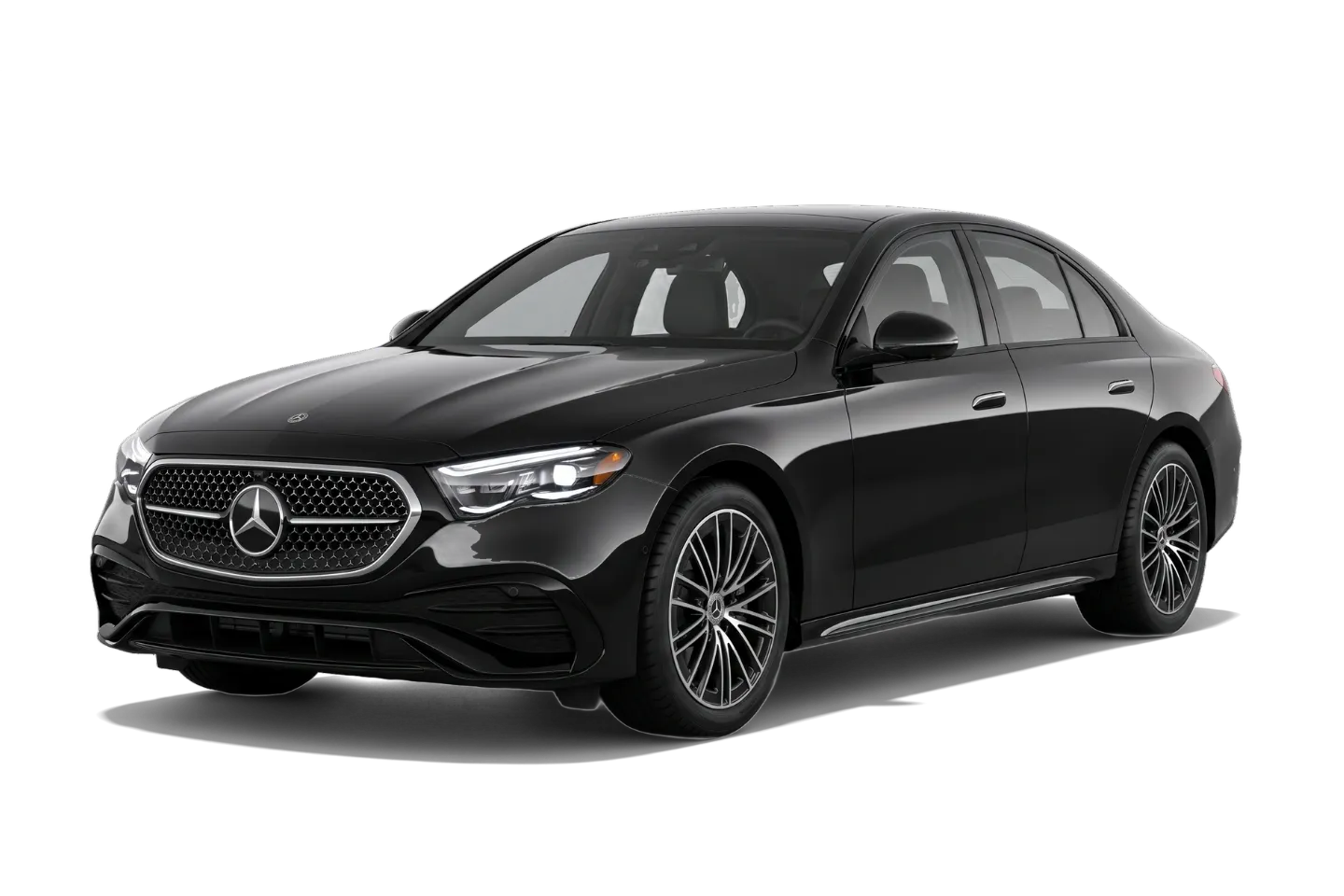
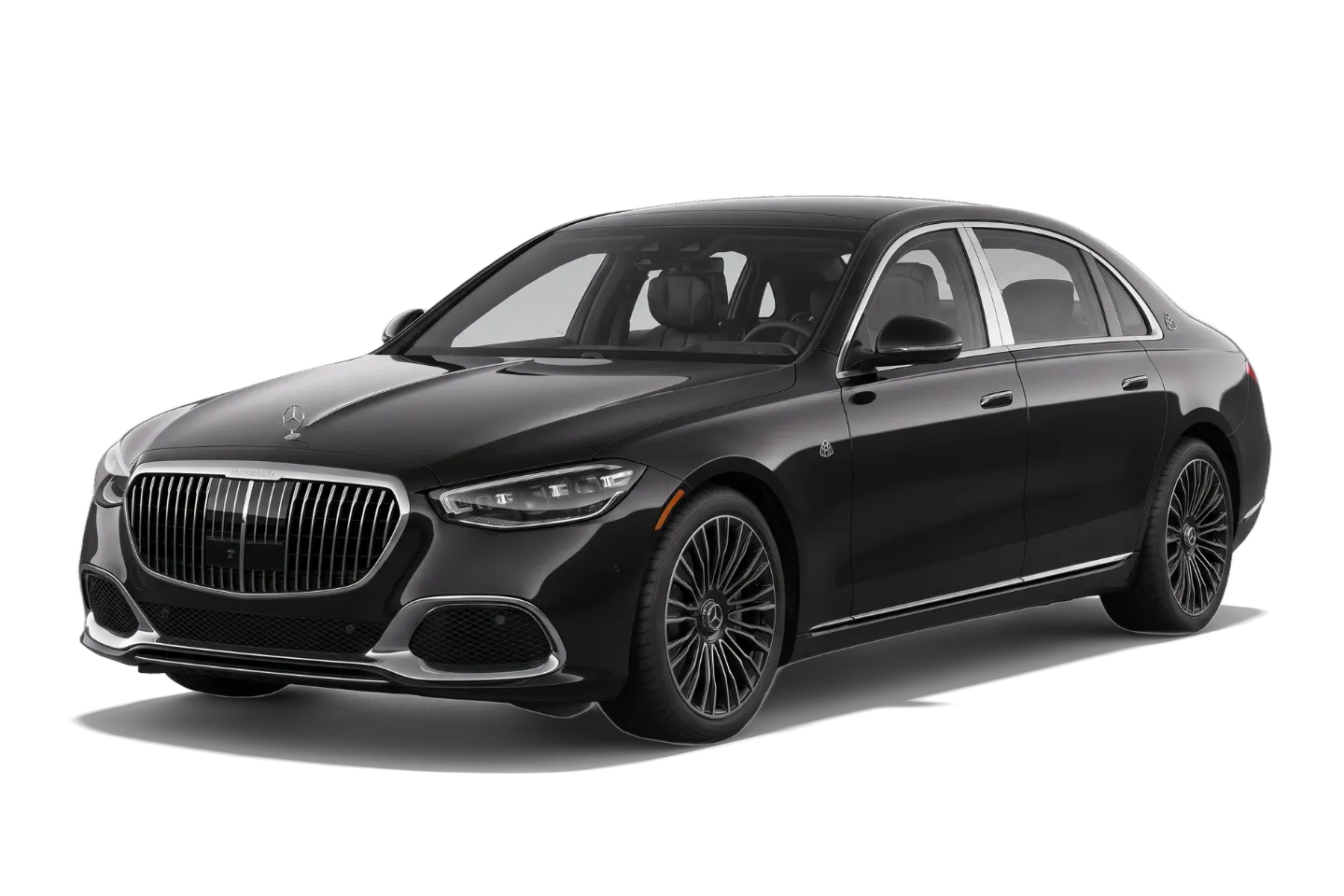
- Sedan: up to 3 passengers, for VIPs traveling apart from the group.
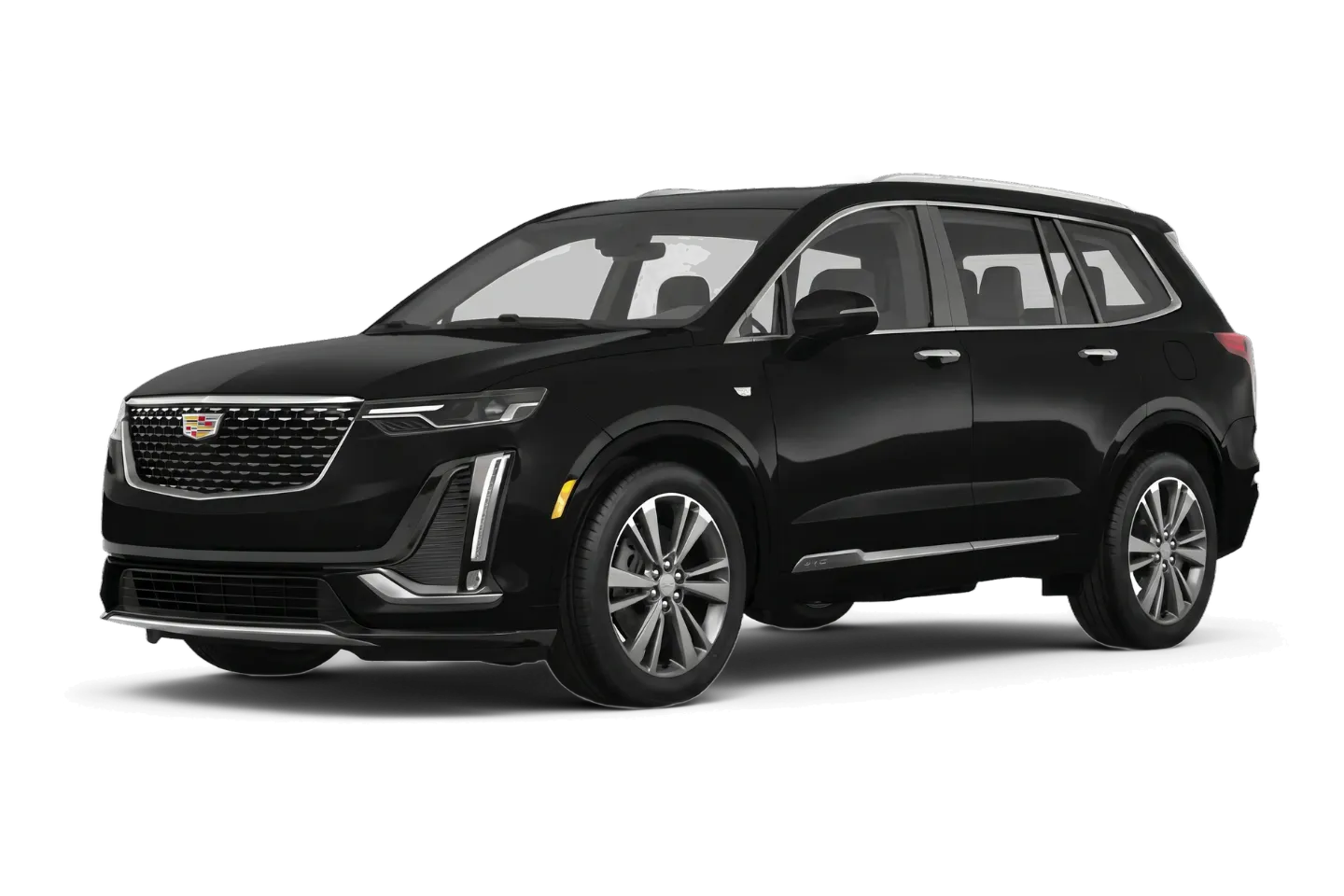
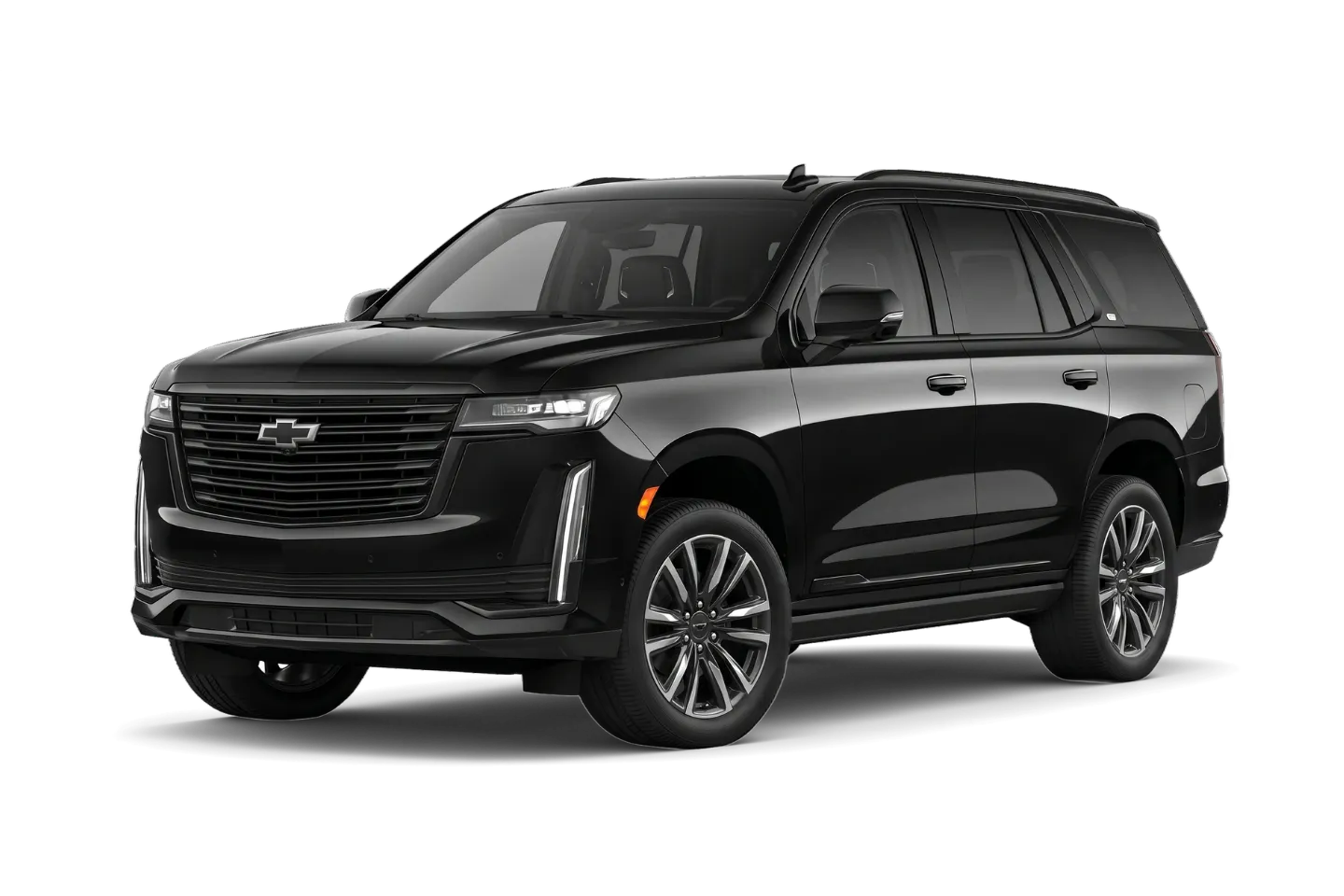
- SUV: up to 6 passengers.
- Sprinter van: 10 to 14 passengers.
- Party bus: 20 to 30 passengers.
- Mini charter bus: 24 to 35 passengers.
- Motor coach: up to 56 passengers, with luggage bays for long trips.
Winding roads in wine country, Big Sur, and the mountains favor smaller vehicles, and certain wineries and venues cannot accept a full size coach. See the options on our fleet page, or read about Sprinter van service in California for groups under fifteen.
How Do Airport Group Transfers Affect the Price?
Groups arriving at Los Angeles, San Francisco, San Diego, San Jose, Oakland, Sacramento, Burbank, Orange County, or Ontario need a bus timed to the flight. Transfers are often quoted as a flat rate. A mini bus from Los Angeles International to a hotel in downtown or Santa Monica occupies the vehicle for two to three hours with loading and traffic, which works out to roughly $320 to $900. Dispatch tracks the flight so that a delay does not strand the group. Our California airport charter bus service page explains group pickups.
How Can You Lower the Cost?
- Book early: two to three months ahead for spring and autumn, and longer for major events.
- Travel midweek: Tuesday through Thursday rates are the most favorable.
- Choose the quiet season: January and February cost less.
- Fill the seats: a full bus has the lowest cost per person.
- Right size the vehicle: thirty people do not need fifty six seats.
- Avoid rush hour: leaving at 9:30 a.m. in place of 7:30 can save an hour of billed time.
- Keep the route simple: one pickup point saves time.
- Choose a carrier based near you: empty miles from a distant garage cost money.
- Request an all inclusive quote: parking, tolls, and gratuity in one figure.
How Do You Check That a Bus Company Is Legitimate?
A low price means little if the operator lacks authority or insurance. Two regulators matter.
- Trips within California: the California Public Utilities Commission licenses passenger carriers. Its page on charter party carriers explains that these operators, known by the initials TCP, charter their vehicles for the exclusive use of an individual or group. Request the carrier's TCP number.
- Trips across state lines: a run to Las Vegas, Reno, or Phoenix requires federal registration. The Federal Motor Carrier Safety Administration's Look Before You Book resource shows how to review a carrier's record.
Buses in California are also subject to inspection by the California Highway Patrol. Request a certificate of insurance and the name of the company that will operate the bus on the day.
Why Is the Lowest Quote a Risk?
- Older vehicles break down on long desert and mountain grades.
- Thin insurance leaves passengers exposed.
- Fees for fuel, parking, and overtime appear after the trip.
- Overbooked operators cancel at short notice in peak season.
- Drivers pushed beyond their hours are a safety concern.
Compare at least three written quotes on the same itinerary. If one sits far below the others, find out why before you sign.
How Do Deposits and Cancellations Work?
Most companies hold the bus with a deposit, with the balance due one to two weeks before the trip. Cancellation terms tighten as the date approaches, and peak dates may be nonrefundable inside a set window. Read the terms closely for weddings and school trips, where dates sometimes move, and for mountain trips in winter, when weather can close a pass.
When Should You Book?
- Spring school trips, proms, and graduations: three to six months ahead.
- Weddings: four to six months ahead, and longer for wine country in September and October.
- Major conventions and festivals: as soon as dates are announced.
- Corporate events: six to eight weeks ahead.
- Winter and midweek trips: two to four weeks is often enough.
How Do Prices Vary Across the State?
Los Angeles and Orange County
The largest bus market in the West, with many carriers and competitive rates. Traffic adds hours to local itineraries, and studio, stadium, and theme park demand is constant.
San Francisco and the Bay Area
Strong corporate demand from technology companies and conventions keeps rates firm. Bridge tolls, steep streets, and restrictions on coach parking in the city shape routing.
San Diego
A healthy local market serves conventions, military events, and the border region. Summer is the busy season.
Sacramento and the Central Valley
Rates are moderate, with school, government, and agricultural tour business. Many trips head to the Sierra or the Bay Area.
Wine Country, the Central Coast, and the Desert
Napa, Sonoma, Paso Robles, Santa Barbara, and Palm Springs rely partly on buses from larger cities. Harvest weekends and festival dates sell out early, and travel from the garage is part of the bill.
The Sierra and the North Coast
Supply is thin. Buses travel in from Sacramento, Reno, or the Bay Area, and winter conditions add time.
Is a Charter Bus Cheaper Than Flying or Driving?
For groups of twenty or above on trips of up to five or six hours, usually yes. Flying forty people from Los Angeles to San Francisco means forty tickets and ground transport at both ends. Carpooling means a dozen cars, a dozen tanks of fuel, and a dozen drivers on Interstate 5. A coach collects the group at one address and delivers it to the door, and the fare divided across forty or fifty seats is hard to beat. For very long distances, compare the cost of two days on the road with flights.
How Do You Request an Accurate Quote?
- Step 1: Confirm the headcount and the luggage or equipment.
- Step 2: Write the itinerary with addresses and times for every stop.
- Step 3: Note accessibility needs and any venue restrictions.
- Step 4: Decide which amenities matter.
- Step 5: Send the same details to each company.
- Step 6: Compare totals, vehicles, and terms.
- Step 7: Confirm in writing and pay the deposit.
What Should the Quote Include?
- The vehicle type and capacity.
- Dates, times, and addresses.
- The rate and the minimum hours.
- Parking, tolls, fuel, and gratuity, included or itemized.
- The overtime rate.
- The deposit, the balance date, and the cancellation terms.
- The carrier's TCP number and insurance details.
What Does a Well Planned Trip Look Like?
A software company in San Jose plans an offsite in Monterey for 48 employees, about 70 miles south. Two months ahead, the office manager requests quotes for a motor coach from 7:30 a.m. to 6:30 p.m. on a Thursday. She checks each carrier's TCP number, receives certificates of insurance, and chooses a quote that lists parking and gratuity in the total.
On the day, the coach is outside the office at 7:15. Laptops go in the overhead racks, and the team uses the Wi-Fi for a planning session on the way down Highway 101. The driver drops the group at the conference hotel and parks in the coach area near the wharf. At 4:45, the bus is back at the door. The eleven hour day costs roughly $1,980 to $3,740, or $41 to $78 per person, and nobody had to drive home after the closing dinner.
Why Do Groups Book with Us?
Since 1997, Legendary Limousine has moved wedding parties, school groups, sports teams, and corporate delegations. Every driver is background checked, professionally trained, and familiar with local routes. Dispatch is staffed 24 hours a day, and airport arrivals are tracked by flight number.
- Sprinter vans, mini buses, motor coaches, and party buses.
- Written quotes with every charge shown.
- One point of contact from the first call to the final drop-off.
- Service in Los Angeles, San Francisco, San Diego, San Jose, Sacramento, Orange County, and communities across the state.
Planners tell us that Legendary Limousine makes the transportation line the most predictable part of the budget.
Conclusion: What Should You Budget for a Charter Bus in California?
Plan on $160 to $300 per hour for a mini charter bus and $180 to $340 per hour for a full size motor coach in 2026, with day rates of roughly $1,600 to $3,400. Add parking, tolls, and gratuity, then divide by your headcount. For most groups, a full day comes to $35 to $90 per person. Allow for California's distances and traffic, book early for spring, harvest season, and major events, and compare written quotes from licensed carriers.
For an exact figure, contact Legendary Limousine at +1 (718) 221-4771 at any hour or request a quote online. Share your dates, your headcount, and your itinerary, and our team will recommend a vehicle and confirm a clear price.

Jessica K. Smith
- Strategic Writer & Content Manager
Strategic senior writer and content manager with 20+ years in healthcare communications and marketing. Excellent editor committed to producing creative, effective content, from social posts to product collateral to thought…