One word describes the booking and the other describes the bus. Learn how private charters differ from scheduled service, how coaches compare with mini buses and vans, and what each costs in Virginia.
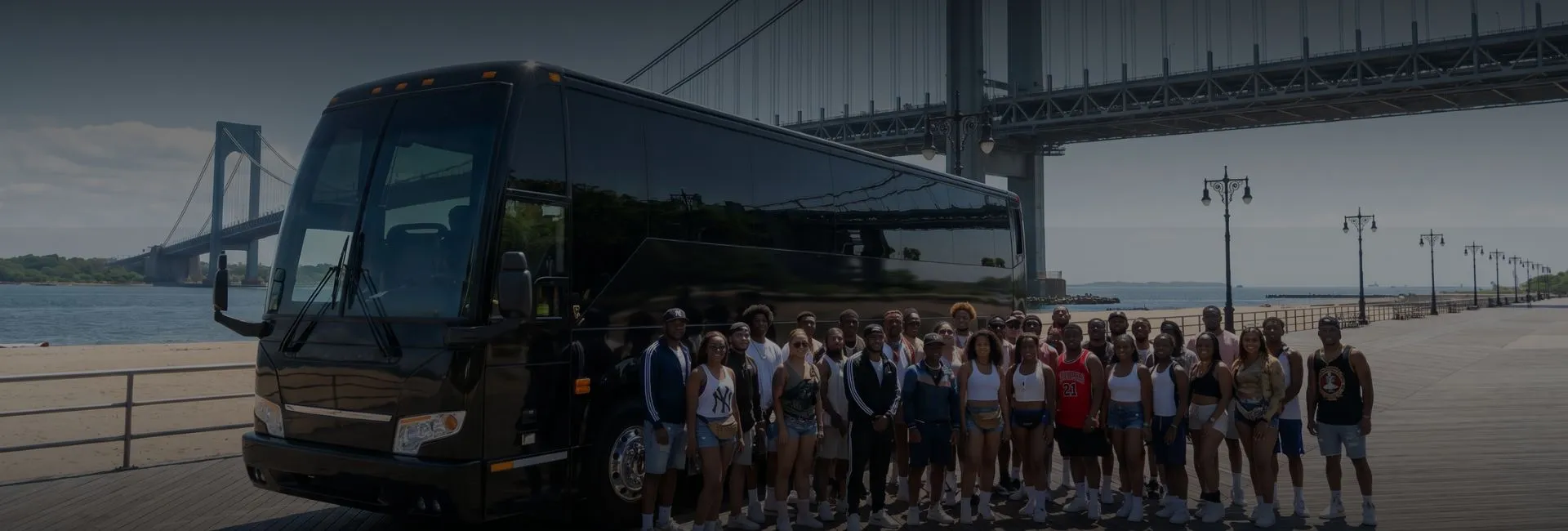
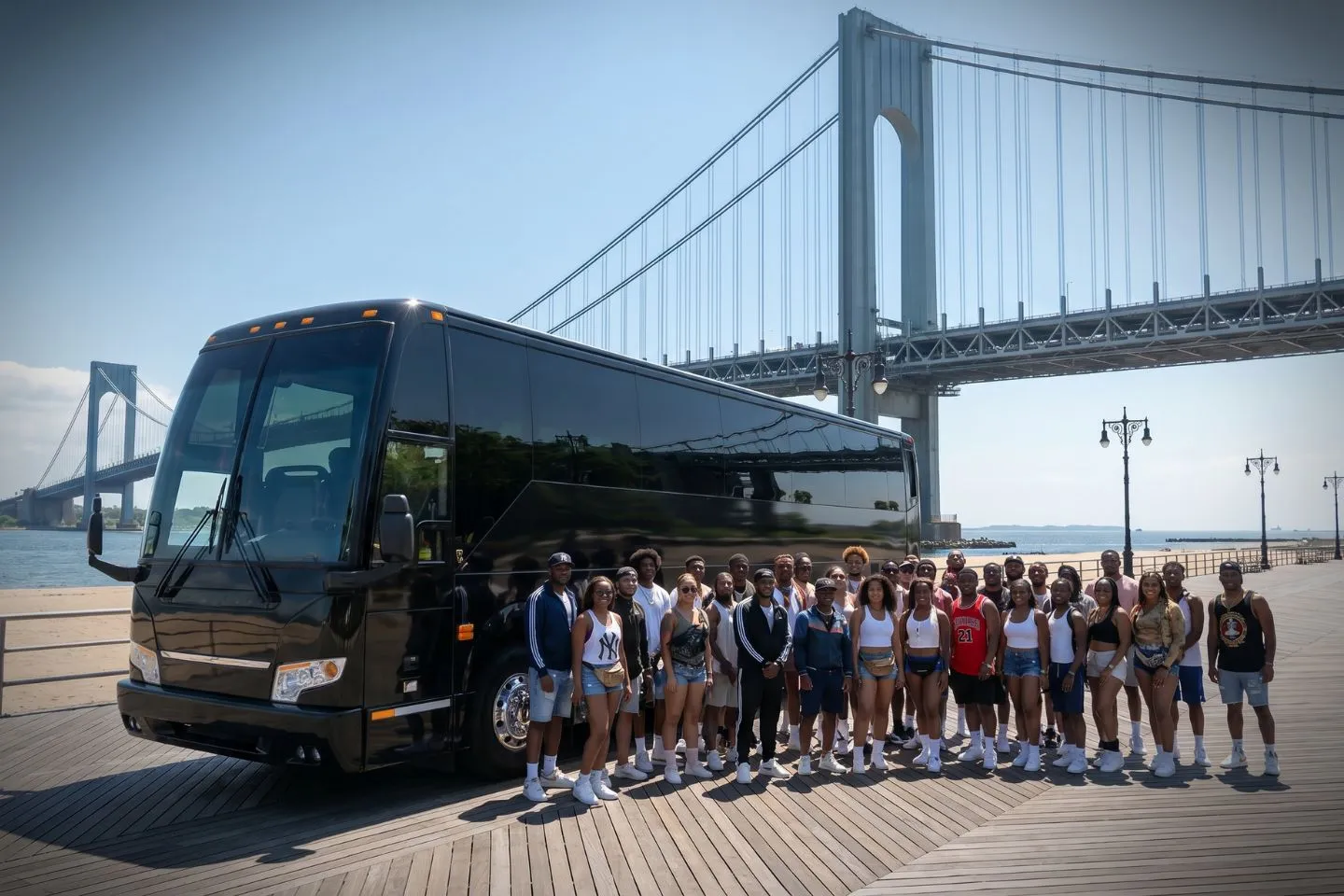
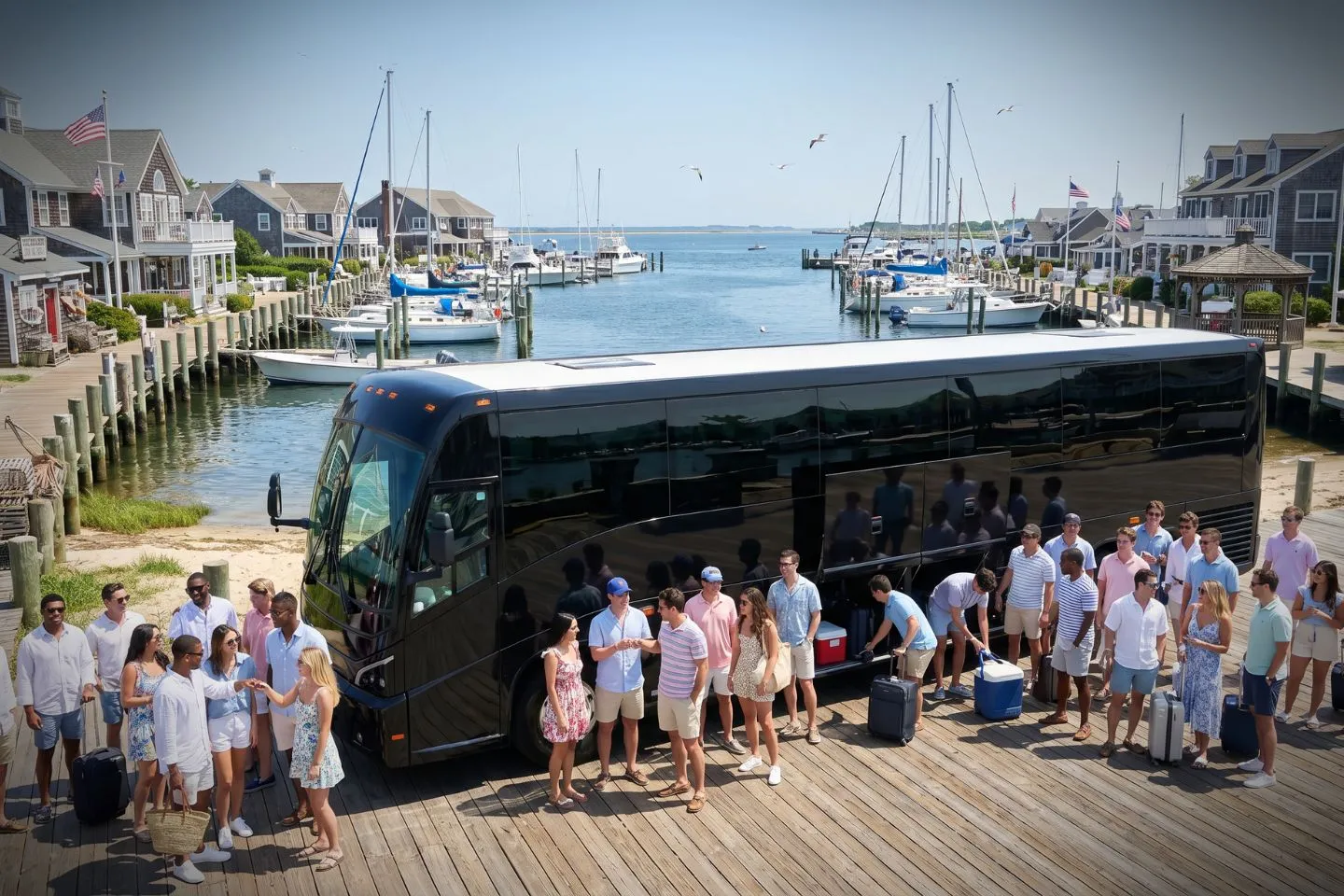
The difference between a charter bus and a coach bus in Virginia is that "charter" describes how a bus is hired, while "coach" describes what kind of bus it is. A charter is a private, prearranged trip for one group that sets its own route and schedule. A coach, or motor coach, is the large highway vehicle with up to 56 reclining seats, luggage bays, and usually a restroom. Most long distance charters use a coach, though a charter can also run in a mini bus or a van, and a coach can also run a public scheduled route. At Legendary Limousine, we have arranged group travel since 1997, and this guide untangles the terms, with Virginia rules, prices, and examples.
What Is a Charter Bus?
A charter bus is any bus reserved for the exclusive use of one group under a contract. The word comes from the arrangement, and it says nothing about the size of the vehicle.
- Private: only your group rides.
- Prearranged: the trip is booked in advance, with a written agreement.
- Custom: you choose the pickup point, the stops, the timing, and the destination.
- Priced for the group: one charge for the vehicle and driver, however many seats are filled.
A church in Lynchburg hiring a bus for a retreat, a company in Reston shuttling staff to a conference, and a wedding party in Charlottesville moving guests to a vineyard are all chartering, whatever vehicle arrives.
What Is a Coach Bus?
A coach bus, also called a motor coach, is a specific class of vehicle built for comfort over distance.
- Size: about 40 to 45 feet long, with a high floor and a raised seating deck.
- Capacity: up to 56 passengers.
- Seating: forward facing, reclining seats with headrests and footrests.
- Storage: large luggage bays under the floor and racks overhead.
- Comfort: air conditioning, a restroom on most models, reading lights, and often power outlets, Wi-Fi, and video screens.
- Safety equipment: newer coaches have seat belts at every passenger seat.
The same coach might run a scheduled intercity route on Monday, a sightseeing tour on Wednesday, and a private charter on Saturday. The vehicle is the constant. The service changes.
How Do the Two Terms Overlap?
Think of two questions. Who may ride? What are they riding in? The first separates charter service from public service. The second separates a coach from other bus types.
- Charter in a coach: a school band of 50 traveling from Roanoke to Washington. Private hire, large vehicle.
- Charter in a mini bus: 28 wedding guests riding from a Williamsburg hotel to a plantation venue. Private hire, smaller vehicle.
- Charter in a Sprinter van: 12 executives going from Tysons to a Loudoun retreat. Private hire, van.
- Scheduled service in a coach: a ticketed line run between Richmond and Norfolk that anyone may board. Public service, large vehicle.
People often say "charter bus" when they mean a coach, since the two so often go together. When you request a quote, state the headcount and the trip, and the company will tell you which vehicle fits.
How Does Virginia Law Treat the Two Kinds of Service?
Virginia's Department of Motor Vehicles licenses passenger carriers by the type of service they provide. Carriers that sell individual seats on fixed routes hold common carrier authority and file their routes and schedules with the state. Carriers that transport a group under a single agreement fall into the contract passenger carrier category, which is the one that covers charter work. Sightseeing carriers hold a separate certificate again. For a private group trip, the operator you hire should hold contract passenger authority, whatever size of bus it sends.
How Can You Confirm a Charter Operator?
The DMV keeps a public list of licensed transportation services. Its contract passenger carrier type takes in limousines, charter buses, and executive sedans. Search for the company's name before you pay a deposit. State materials list liability insurance of $5,000,000 for vehicles seating 16 or above, including the driver, and $1,500,000 for those seating 7 to 15.
What Changes When the Trip Leaves Virginia?
A charter from Arlington to a Baltimore stadium, or from Bristol to Nashville, is interstate travel, and federal rules apply. The carrier needs a USDOT number and operating authority from the Federal Motor Carrier Safety Administration, which publishes safety information for travelers and trip planners on checking a company's record.
How Does a Charter Differ From Scheduled Bus Service?
- Riders: a charter carries one group. A scheduled bus carries the public.
- Route: a charter goes door to door wherever you ask. A scheduled bus follows a fixed line between stations.
- Timetable: a charter leaves when your group is ready. A scheduled bus leaves at the posted time.
- Payment: a charter is one price for the vehicle. Scheduled service is a fare per seat.
- Stops: a charter stops where you like, within the driver's hours. A scheduled bus stops only at listed points.
- Luggage and equipment: a charter can be planned around instruments, sports gear, or display materials.
For one or two travelers going between cities with a bus station, a scheduled seat is the economical choice. For 20 or above, a charter usually costs less per person and saves the transfers at each end. The sums are worked through in how much the bus fare is for a charter bus in Virginia.
How Does a Coach Differ From Other Buses?
Mini Charter Bus
A mini bus seats 24 to 35 passengers. It is shorter and lower than a coach, easier to bring into hotel driveways and vineyard lanes, and cheaper by the hour. Most have limited luggage space, and many have no restroom. It suits trips of up to about two hours.
Sprinter Van
A Sprinter carries 10 to 14 passengers and drives like a large car. It is the right size for small teams, wedding parties, and airport runs.
School Bus
The yellow bus is built for short local routes. It has bench seats, no luggage bays, no restroom, and usually no air conditioning. Some operators charter school buses at low rates for brief local trips. For anything on the interstate, or longer than about an hour, a coach is far more comfortable.
Transit Bus
City buses, such as those in Richmond, Hampton Roads, and Northern Virginia, are designed for standing loads and frequent stops. They are not meant for highway travel with luggage.
Party Bus
A party bus seats 20 to 30 on perimeter benches with lighting and a sound system. It is built for celebrations around town.
Executive or Luxury Coach
Some coaches are fitted with fewer, larger seats, tables, galley areas, and conference layouts. Sports teams and touring groups use them, at higher rates.
What Do They Cost in Virginia in 2026?
These estimates exclude gratuity, tolls, and parking.
- Sprinter van, 10 to 14 passengers: $140 to $220 per hour.
- Mini charter bus, 24 to 35 passengers: $160 to $300 per hour.
- Motor coach, up to 56 passengers: $180 to $340 per hour, or $1,800 to $3,400 per day.
- Party bus, 20 to 30 passengers: $200 to $400 per hour.
Minimums usually run three to five hours. The gap between a mini bus and a coach is small, often $20 to $40 per hour, so a group of 30 on a long trip may prefer the coach for its restroom and storage.
Which One Does Your Group Need?
Start with three numbers: passengers, miles, and bags.
- 10 to 14 people, any distance: charter a Sprinter van.
- 15 to 35 people, under two hours: charter a mini bus.
- 15 to 35 people, over two hours or with heavy luggage: charter a coach.
- 36 to 56 people: charter a coach.
- 57 or above: charter two vehicles, or one vehicle on a loop for short shuttles.
- One to five people between major cities: buy seats on a scheduled bus or train, or book a car service.
Virginia Examples
- A fourth grade class from Chesterfield visiting Jamestown: 52 students and chaperones, about 60 miles each way. A coach charter for the day.
- A corporate team from Arlington heading to a ropes course near Front Royal: 26 people, about 70 miles. A mini bus is adequate, and a coach is more comfortable.
- A family reunion shuttle in Virginia Beach: 30 people moving between an oceanfront hotel and a park. A mini bus for four hours.
- A university choir from Harrisonburg touring to Norfolk overnight: 45 singers with robes and risers. A coach for two days, with a room for the driver.
- Two colleagues traveling from Richmond to Washington for a hearing: a train, or a sedan with a chauffeur.
What Is It Like on Board a Chartered Coach?
Passengers board through a front door and climb a few steps to the seating deck. Bags go into bays that the driver opens from outside, and small items fit overhead. Seats recline, and the ride is quiet at highway speed. On a two hour run from Richmond to Virginia Beach, a group can watch a film, hold a briefing over the microphone, or sleep. The driver gives a short safety talk before departure, covering exits, the restroom, and seat belts where fitted.
Who Drives a Charter Coach?
Whatever the service, a vehicle designed to carry 16 or above, including the driver, requires a commercial driver's license with a passenger endorsement. Drivers hold a medical certificate and are covered by drug and alcohol testing rules. Federal hours of service limits apply to passenger carriers: up to 10 hours of driving after 8 consecutive hours off duty, within a 15 hour on duty window. On a long charter, such as Northern Virginia to Virginia Beach and back in a day, those limits shape the schedule, and a careful operator will propose an overnight stay or a relief driver.
Are Tour Buses and Shuttle Buses Something Else Again?
These are service labels, like "charter."
- Tour bus: a bus on a planned sightseeing itinerary, with tickets sold per person by a tour operator or as a private charter for one group. The vehicle is usually a coach.
- Shuttle bus: a bus running back and forth on a short loop, for example between hotels and a convention center. The vehicle is usually a mini bus. A shuttle hired for your event is a form of charter.
- Commuter coach: a coach running a daily route for workers, such as services from Fredericksburg and Prince William County into Washington.
Which Questions Clear Up Confusion When You Call?
Because the terms are used loosely, describe what you need, then have the company name the vehicle.
- How many seats does the bus have, excluding the driver?
- Is it a full size motor coach or a mini bus?
- Does it have a restroom, luggage bays, and seat belts?
- Is the trip private to my group?
- Do you hold contract passenger authority from the Virginia DMV, and a USDOT number for interstate trips?
- What is the total price for the vehicle, and what is extra?
What About Accessibility on Charters and Coaches?
Many modern coaches can be fitted with a wheelchair lift, which rises from a luggage bay to a door in the side of the bus, and with floor positions where seats slide away to secure a chair. Mini buses with rear or side lifts are also available. Only part of any fleet is equipped, so make the request when you first ask for a quote, state how many passengers will stay in their chairs, and have the commitment written into the contract. Scheduled carriers have their own procedures and usually ask for notice before travel.
Can One Trip Use Both Kinds of Vehicle?
Yes, and large events often do. A conference in Richmond might charter two coaches to bring 100 delegates from Dulles, run a mini bus on a hotel loop during the meeting, and keep a Sprinter van on call for speakers. A wedding in the Shenandoah Valley might send a coach for guests from the main hotel and a van for the wedding party. One dispatcher coordinating the set keeps the timing consistent, and the paperwork stays with a single operator.
What Mistakes Do First Time Organizers Make?
- Asking for "a charter bus" while expecting 56 seats. Confirm the seat count.
- Booking a mini bus for a four hour drive with no restroom and little storage.
- Comparing a per seat fare with a per vehicle price without dividing by the group.
- Counting on a scheduled bus for a group of 30 with a fixed event time.
- Skipping the licensing check on the operator.
- Forgetting the driver's hours on an ambitious day trip.
- Choosing a school bus for an interstate journey in July.
How Do You Book a Charter in Virginia?
- Set the date, the times, and the addresses.
- Count passengers and bags.
- Request written quotes from two or three operators, naming the vehicle type.
- Check the DMV list and, for interstate trips, the federal record.
- Compare totals, including gratuity, tolls, parking, and the driver's lodging on overnight trips.
- Sign the contract and pay the deposit.
- Send the final itinerary two weeks before travel, and name a trip leader.
Spring is the busiest season in Virginia, with school trips to Washington and the Historic Triangle, so reserve three to six months ahead for April through June. Groups arriving by air can use our Virginia airport charter bus service.
Is One Safer Than the Other?
Safety depends on the operator and the vehicle, and the label makes no difference. A well maintained coach run by a licensed carrier with rested, qualified drivers is among the safest ways to travel by road, whether it is on a charter or a scheduled line. What you control as a charter customer is the choice of company. Use the licensing and insurance checks above, ask about the age of the bus, and prefer a vehicle with seat belts when you have the option.
What Can We Arrange?
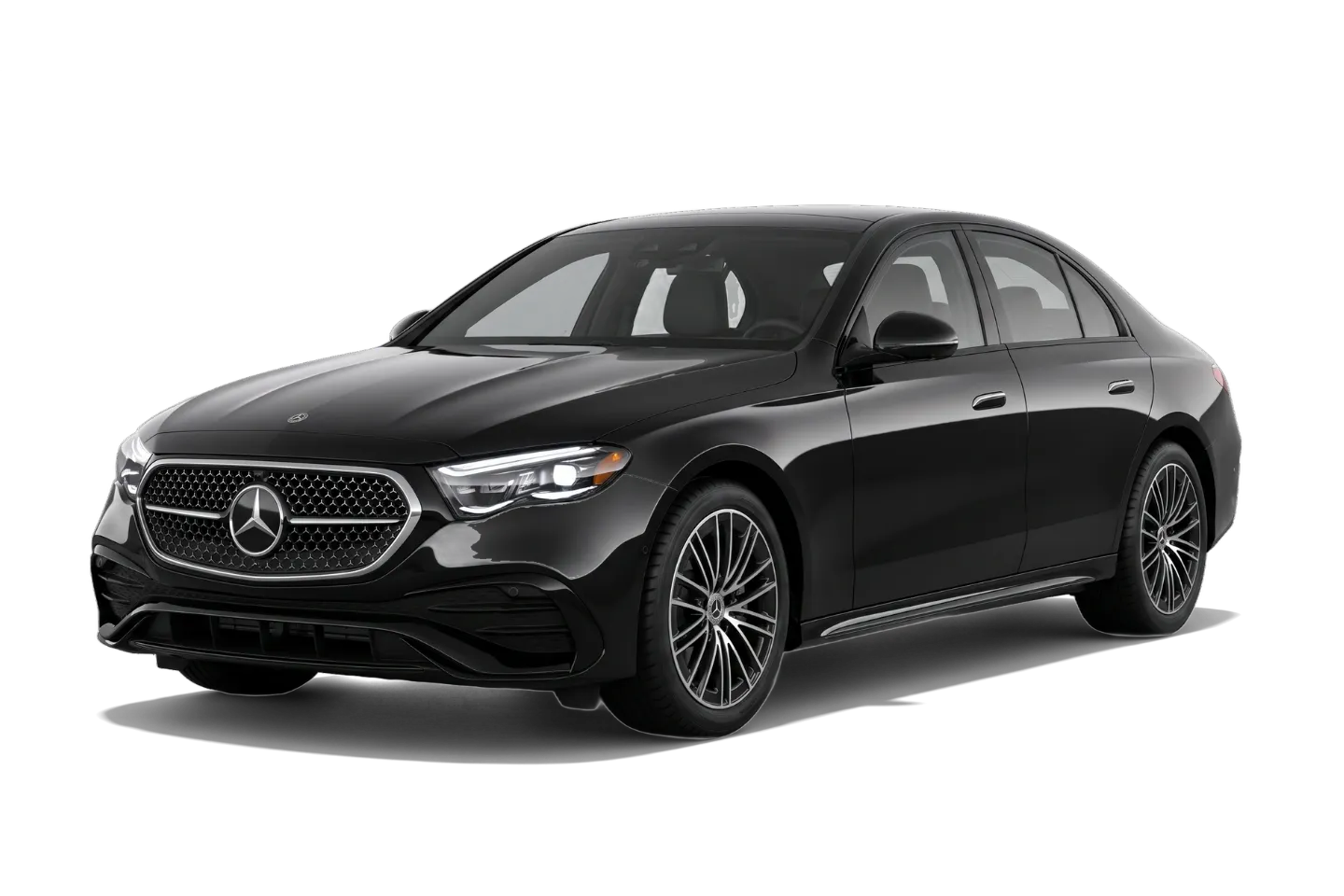
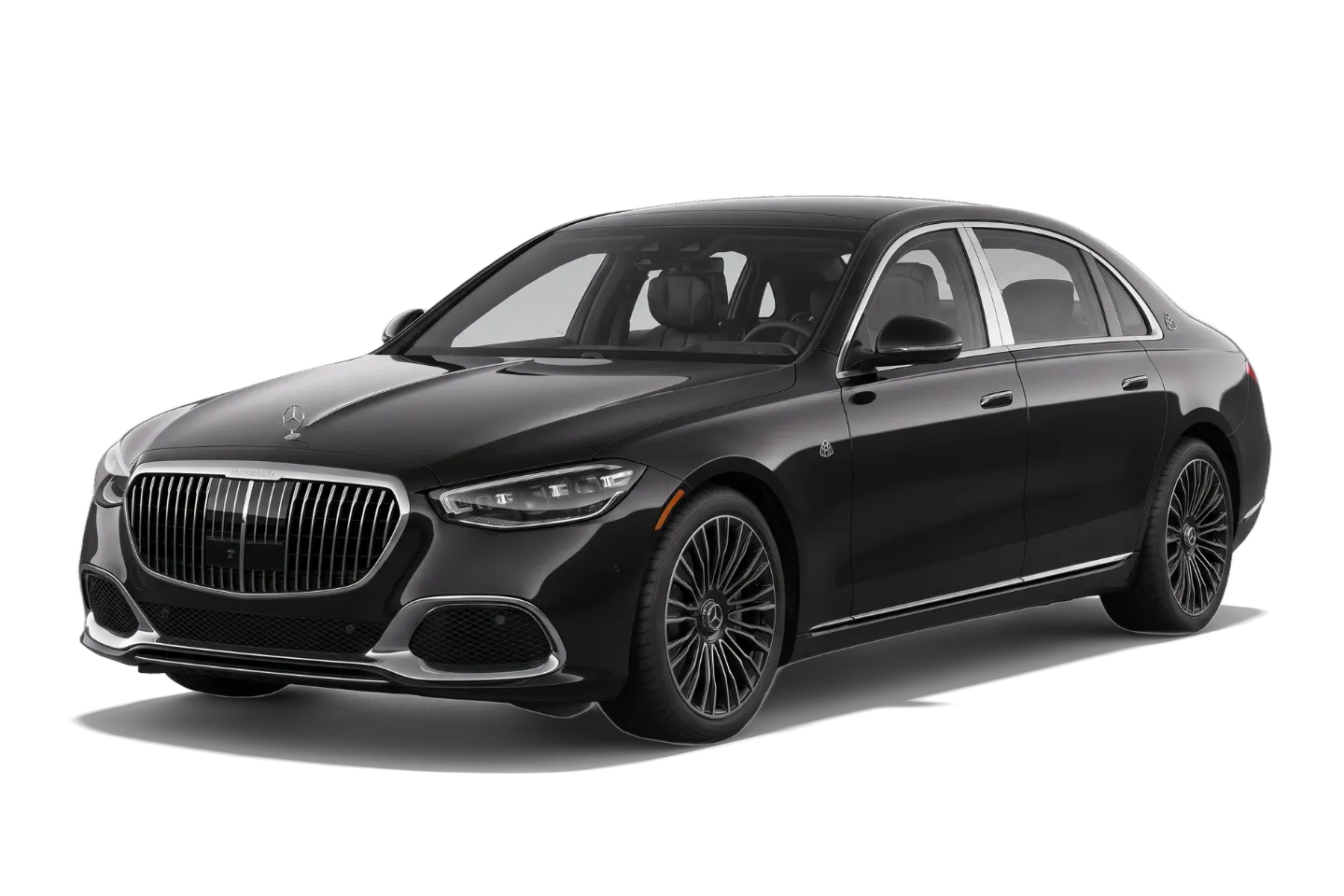
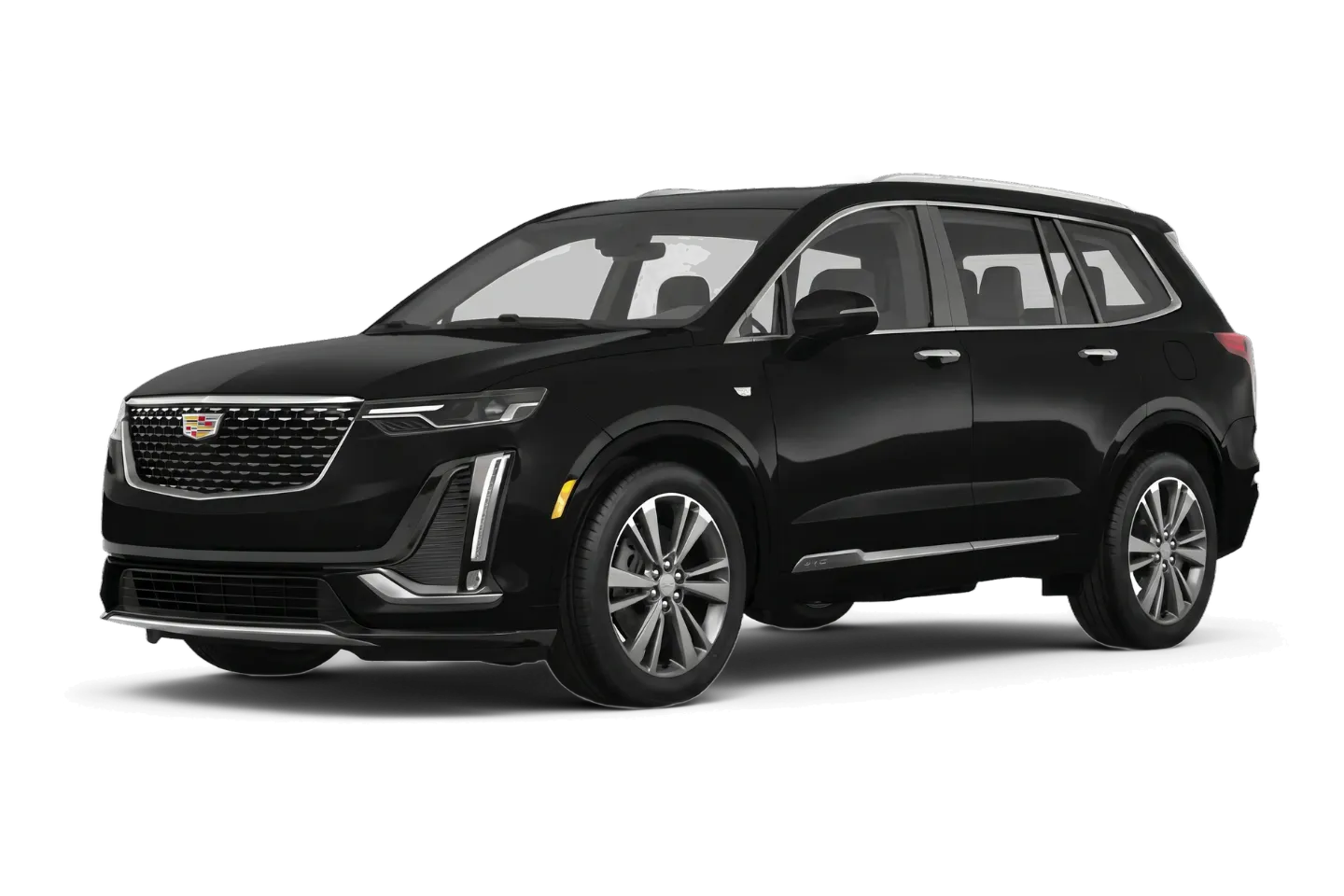
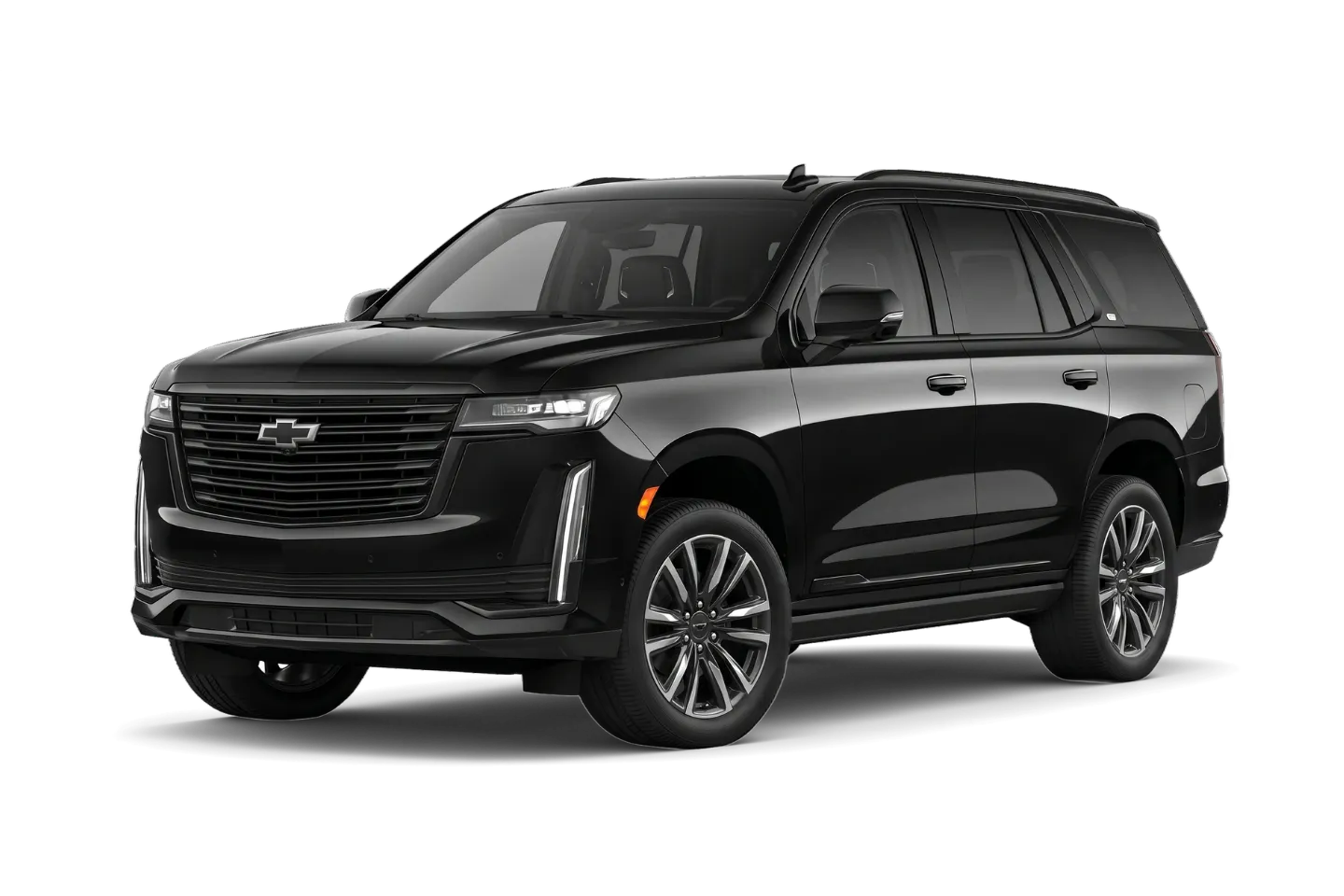
Legendary Limousine arranges private charters in motor coaches for up to 56 passengers, mini charter buses for 24 to 35, and Sprinter vans for 10 to 14, along with SUVs for up to 6 and sedans for up to 3. Every class is shown on our fleet page.
- Itemized written quotes that name the vehicle and the seat count.
- Dispatch 24 hours a day at +1 (718) 221-4771.
- Professional drivers. Every driver is background checked, professionally trained, and familiar with local routes.
- Plain answers about the operator: our base is in Brooklyn, New York, and Virginia bookings may be performed by vetted local partners. Ask us which carrier and which DMV operating authority cover your trip.
Charter the Right Bus for Your Group
A charter is a private hire, and a coach is a type of bus. In Virginia, most groups of 36 to 56 want both at once, while smaller groups may charter a mini bus or a van. Tell us your headcount, distance, and luggage, and the right vehicle follows. For a written quote, call +1 (718) 221-4771 or contact Legendary Limousine online, and Legendary Limousine dispatchers will recommend a vehicle and price your trip.

Charlotte P. Trujillo
- Filmmaker
- Novelist
- Playwright & Content Editor
An experienced content writer specializing in clear, engaging, and research-driven content for digital audiences. Skilled in creating SEO-friendly website content, blog articles, service pages, and marketing copy that aligns with…