Virginia licenses charter operators through the DMV, and you can look any company up in minutes. See the five checks to run, 2026 prices for five Virginia routes, nine questions to ask, and red flags.
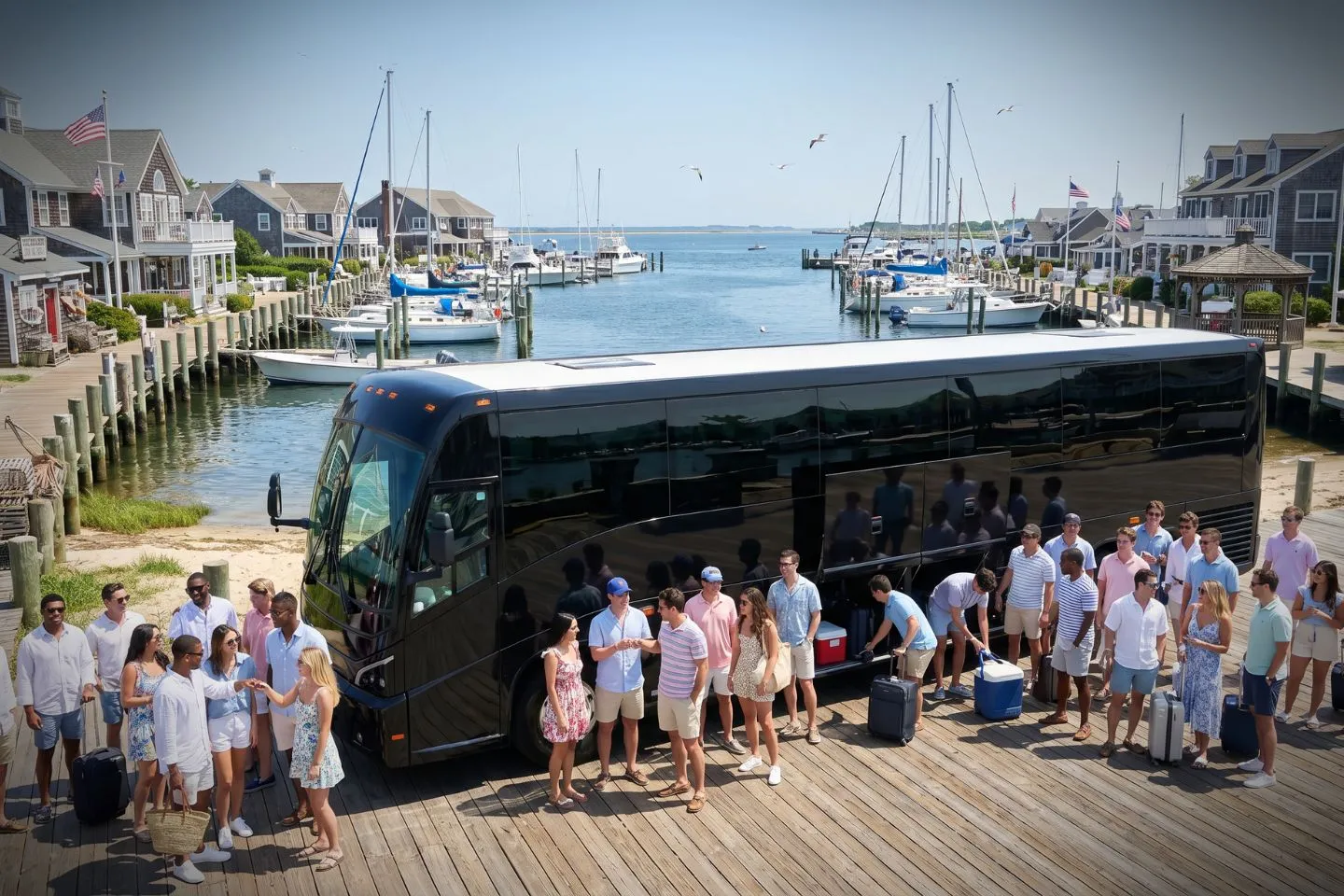
Comparing charter bus companies in Virginia comes down to five checks: a certificate from the Virginia DMV, proof of insurance, a clean federal safety record for interstate work, a vehicle that fits your group, and a written quote that shows the total. Run those checks on two or three operators, and the right company usually becomes obvious. At Legendary Limousine, we have arranged group transportation since 1997. This guide explains how Virginia regulates charter operators, what buses cost in 2026, and which questions separate a dependable carrier from a risky one, whether your group is leaving from Fairfax, Richmond, Norfolk, or Roanoke.
Why Does the Choice of Company Matter So Much?
A charter bus carries dozens of people at highway speed, often for hours. The company you hire decides who is at the wheel, how well the vehicle is maintained, and what happens if something goes wrong on Interstate 81 at night. Price differences between good and poor operators are usually modest. The difference in outcomes can be large. Spending half an hour on vetting is the best value in the whole trip budget.
How Are Charter Bus Companies Regulated in Virginia?
Virginia treats most charter work as contract passenger carriage. The Department of Motor Vehicles issues the operating authority, and its guidance on the contract passenger carrier category sets out who must hold a certificate before carrying groups for hire inside the state. In plain terms, a company that picks you up in Richmond and drops you in Virginia Beach needs Virginia authority.
- A certificate of fitness from the DMV for contract passenger work.
- For-hire registration and plates on each vehicle.
- Liability insurance on file with the state. DMV materials list $1,500,000 for vehicles seating 7 to 15, including the driver, and $5,000,000 for 16 or above.
- A prearranged contract with your group for each trip.
How Can You Check a Company Yourself?
The DMV publishes a searchable list of licensed transportation services, where the contract passenger carrier type covers limousines, charter buses, and executive sedans. Enter the company's legal or trade name and confirm that it appears. If it does not, ask the company why before you go further.
What About Trips That Leave Virginia?
Many Virginia charters cross a border: Arlington to Washington, Richmond to the Outer Banks, Bristol into Tennessee, or Norfolk to New York. Interstate trips fall under federal rules, and the carrier needs a USDOT number and active passenger authority. The Federal Motor Carrier Safety Administration offers safety information for travelers and trip planners that shows how to look up a bus company's record. Ask for the USDOT number and check it.
Which Types of Charter Companies Operate in Virginia?
- Local family operators: a handful of coaches based in one city. They know regional schools, churches, and venues well.
- Regional fleets: dozens of vehicles with garages in several parts of the state, able to cover large events.
- National networks and brokers: a booking office that places your trip with a local carrier. Virginia licenses passenger brokers separately, and a broker should tell you which carrier will run the trip.
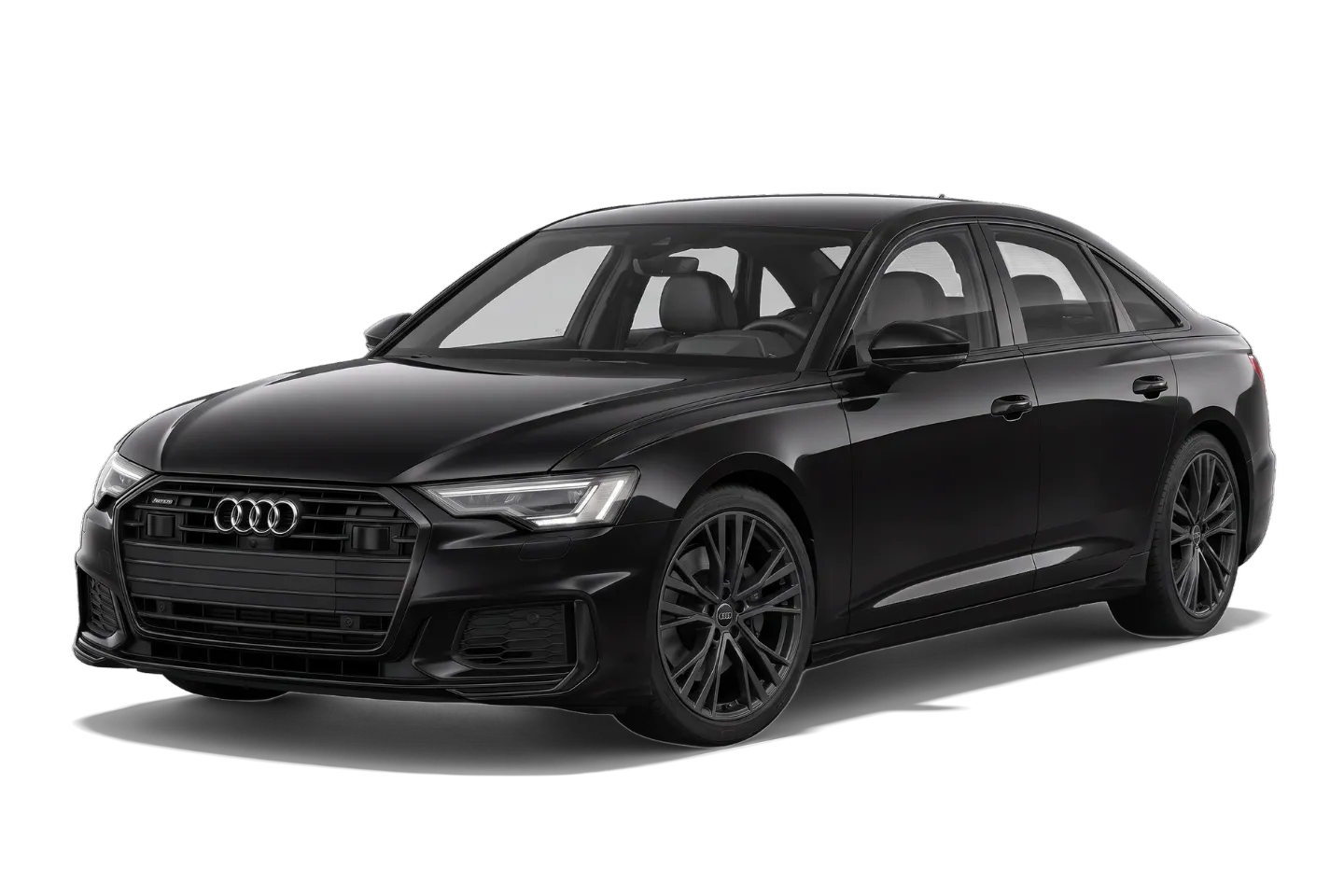
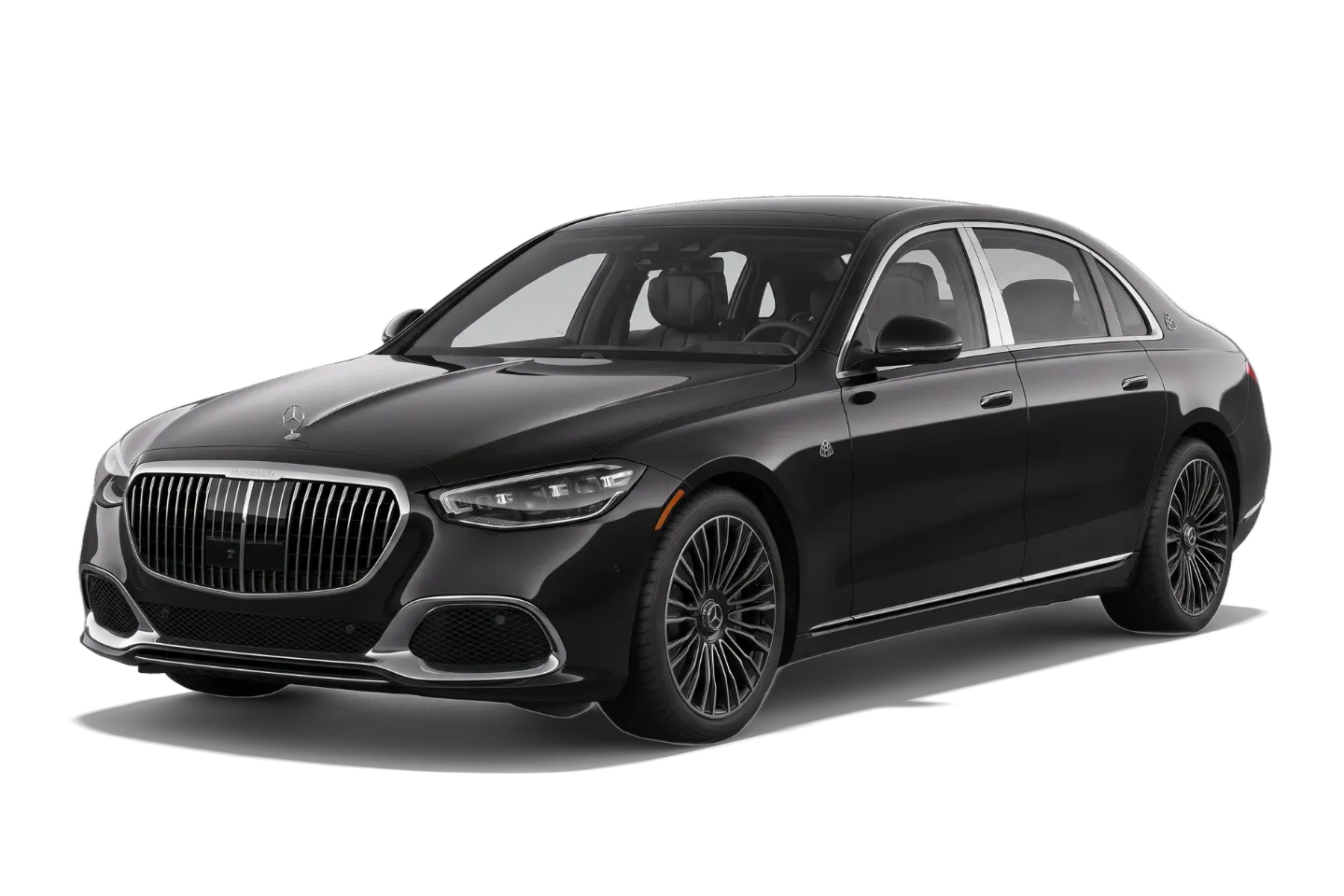
- Limousine and chauffeured companies: firms that arrange sedans, vans, and buses together, useful when an event needs several vehicle sizes under one dispatcher.
Each model can serve you well. What matters is knowing who owns the bus, who employs the driver, and whose insurance covers the trip.
Which Bus Sizes Should a Company Offer?
- Sprinter van: 10 to 14 passengers. Suited to executive teams and small wedding parties.
- Mini charter bus: 24 to 35 passengers. The usual pick for shuttles, church groups, and mid sized teams.
- Full size motor coach: up to 56 passengers, with luggage bays underneath and normally a restroom. The standard for school trips, tours, and long distances.
- Party bus: 20 to 30 passengers, for celebrations.
A company with only one size will sell you that size. A company with several can match the vehicle to the headcount, which often saves money.
What Do Charter Buses Cost in Virginia in 2026?
Prices below are estimates before gratuity, tolls, and parking. Use them to judge whether a quote sits in the normal band.
- Mini charter bus: $160 to $300 per hour.
- Motor coach: $180 to $340 per hour, or $1,800 to $3,400 for a full day.
- Sprinter van: $140 to $220 per hour.
- Party bus: $200 to $400 per hour.
- Minimums: three to five hours on most days, and five or six on peak Saturdays.
What Would Typical Virginia Trips Cost?
- Richmond to Virginia Beach and back in a day, about 107 miles each way: a coach for 11 hours at $2,300 to $3,200.
- Fairfax to Charlottesville for a winery day, about 100 miles each way: a mini bus for 10 hours at $1,800 to $2,800.
- Norfolk hotel to the Virginia Beach Convention Center shuttle, 5 hours: a mini bus at $900 to $1,500.
- Roanoke to Blacksburg on a football Saturday, about 40 miles each way: a coach for 9 hours at $1,900 to $2,900.
- Arlington to Williamsburg overnight, about 150 miles each way: a coach for two days at $3,800 to $6,200, plus the driver's room.
Divide by the passengers to see the real cost. A $2,700 day coach carrying 50 people works out to $54 each.
What Should a Proper Quote Contain?
A quote is a company's first piece of paperwork, and it tells you how the rest will go. Look for these items.
- The date, the pickup and return times, and every address.
- The vehicle type and the seat count.
- The base price and how it was calculated.
- Driver gratuity, stated as included or left to you.
- Tolls, parking, and permits.
- The driver's hotel on overnight trips.
- Fuel surcharge, if any.
- Overtime rate and billing increments.
- Deposit, balance date, and cancellation terms.
Compare the totals. A low hourly figure with garage time, a fuel fee, and a mandatory gratuity can finish above a higher all inclusive rate.
Which Questions Reveal a Good Company?
- Are you on the Virginia DMV list of licensed carriers? A confident yes, with the name to search, is the answer you want.
- What is your USDOT number? Needed for any trip beyond the state line.
- Can you send a certificate of insurance? It should arrive the same day.
- How old is the bus you would assign, and when was it last inspected?
- Who will drive, and how are your drivers qualified? Expect a commercial license with a passenger endorsement, a medical card, and drug and alcohol testing.
- How do you handle driver hours on a long day? Federal limits allow 10 hours of driving after 8 hours off duty, inside a 15 hour duty window. A careful company plans a relief driver when the itinerary needs one.
- What happens if the bus breaks down? Listen for a specific plan and a partner network.
- Do you own the vehicle, or will another carrier operate the trip?
- May we see the bus, or recent photographs of it?
What Warning Signs Should Stop You?
- The company is missing from the DMV list and offers no explanation.
- No USDOT number for an interstate trip.
- A price far below every other quote.
- Pressure for full payment in cash.
- No written contract.
- Vague answers about who operates the bus.
- A willingness to ignore driver hour limits to win the job.
- Old reviews only, or many recent complaints about late or dirty vehicles.
How Do Virginia's Roads Test a Bus Company?
Local experience shows in the route plan. Ask how the dispatcher would handle the points on your itinerary.
- Northern Virginia: Interstates 95, 66, and 495 carry some of the heaviest traffic in the country, with rush hours from about 6:00 to 9:30 a.m. and 3:30 to 7:00 p.m. Good dispatchers schedule around them.
- Hampton Roads: the Hampton Roads Bridge-Tunnel on Interstate 64 backs up on summer weekends. An experienced company will know when the Monitor-Merrimac crossing on Interstate 664 is the wiser path.
- The mountains: Interstate 81 is a busy truck corridor, Afton Mountain on Interstate 64 collects fog, and Skyline Drive has a low tunnel at Marys Rock that a full size coach cannot pass.
- Washington, D.C.: buses entering the District need a trip permit and must use approved streets and parking.
- Colonial Williamsburg and the Historic Triangle: coaches use designated drop off points and bus lots.
How Should You Compare Three Quotes Side by Side?
Picture a youth soccer club in Chesterfield planning a Saturday tournament in Leesburg, about 130 miles each way, for 44 players and parents. The organizer sends one identical request to three companies.
- Company A quotes $2,150 for a 56 seat coach, all inclusive, sends an insurance certificate, and appears on the DMV list. The dispatcher points out that a 6:00 a.m. departure and a 9:00 p.m. return make a 15 hour day and proposes a relief driver for $280.
- Company B quotes $1,700 "plus tip and tolls" and says one driver will be fine. No certificate arrives.
- Company C quotes $2,480 with gratuity and tolls included and a newer coach with seat belts at every seat and power outlets.
Company B looks cheapest and carries two warnings: a vague total and a casual attitude to driver hours. The real contest is between A at $2,430 with the relief driver and C at $2,480. The club chooses on the bus itself, visits both yards, and books the one it prefers. The $50 gap works out to about $1 per rider.
How Do You Work Safely With a Broker?
Booking through a broker or a national network is common and can be convenient, since one call reaches many carriers. Virginia licenses passenger brokers as a category of their own, and a broker's duty is to place your trip with an authorized carrier. Protect yourself with three requests. Ask for the name and USDOT number of the carrier that will run the trip, and look it up. Ask whether the price you pay includes the carrier's gratuity and tolls. Finally, find out who you call at 5:30 a.m. on the day if the bus is late: the broker's office, the carrier's dispatch, or both. A reputable broker answers all three without delay.
What Extra Steps Do Schools and Youth Groups Take?
School divisions and youth organizations in Virginia often set their own vendor rules on top of state law. Typical requirements include a certificate naming the school or club as an additional insured, proof of the carrier's safety rating, driver background screening, and a pre trip inspection sheet. Check your organization's policy early, because gathering the documents can take a week or two. Carriers that work with schools regularly keep the paperwork ready and will send a packet on request.
What Should the Trip Leader Do on the Day?
- Carry the contract and the dispatch number.
- Meet the driver and walk through the itinerary and the timing of breaks.
- Count heads at every stop.
- Point out the emergency exits when the driver gives the safety briefing.
- Keep the aisle clear and bags stowed.
- Agree the return meeting point before the group scatters.
- Report any concern to dispatch at once, including a driver who seems tired.
What Features Are Worth Asking For?
- Seat belts at passenger seats. Newer coaches have them, and many older ones do not.
- A restroom for trips above two hours.
- Luggage bays sized for your bags or equipment.
- Air conditioning that copes with a Virginia July.
- Wi-Fi and power outlets for corporate and student groups.
- A public address system and screens.
- A wheelchair lift. Request it at booking, since only part of any fleet is equipped.
How Far Ahead Should You Book in Virginia?
- Spring, March through June: the busiest season. School trips to Washington, Jamestown, and Williamsburg, proms, and graduations fill calendars. Book three to six months ahead.
- Summer: beach trips, camps, and weddings. Two to three months.
- Fall: college football Saturdays in Blacksburg, Charlottesville, Harrisonburg, and Lynchburg, foliage tours on the Blue Ridge, and wine harvest weekends. Two to four months.
- Winter: the quiet season, apart from ski trips and holiday parties. Three to six weeks is usually enough.
What Do Deposits and Contracts Usually Look Like?
Expect a deposit of 20% to 30% to hold the date, with the balance due two to four weeks before travel. Cancellation is normally free or low cost until 30 days out and stricter after that. Read the clauses on weather, breakdowns, and substitution. A fair contract commits the carrier to a comparable replacement vehicle and a refund for service it cannot deliver. Keep a signed copy, and name one trip leader as the contact for the driver.
Who Tends to Hire Charter Buses in Virginia?
- Schools and colleges: field trips, athletics, band competitions, and campus tours.
- Military families and units: homecomings, ceremonies, and reunions around Norfolk, Quantico, and Fort Belvoir.
- Government contractors and corporations: shuttles in Tysons, Reston, and Crystal City, and conferences in Richmond and Virginia Beach.
- Churches and community groups: retreats, mission trips, and outings.
- Wedding parties: guest shuttles to vineyards, farms, and oceanfront venues.
- Tour groups: Mount Vernon, Monticello, the Historic Triangle, and Shenandoah National Park.
Whatever the group, the vetting steps are the same. A wedding planner in Middleburg and a band director in Chesapeake should both start with the DMV list and an insurance certificate, then move on to the bus, the driver, and the price. The order matters, since it keeps an attractive quote from distracting you before the basics are confirmed.
Is the Cheapest Company Ever the Right Choice?
At times, yes. A low quote from a licensed, insured carrier with a quiet weekday to fill is simply a good deal. The problem is a low quote from a company that cannot show its certificate or its insurance. Confirm the credentials first, then let price decide among those that pass.
What Can We Arrange for Your Group?
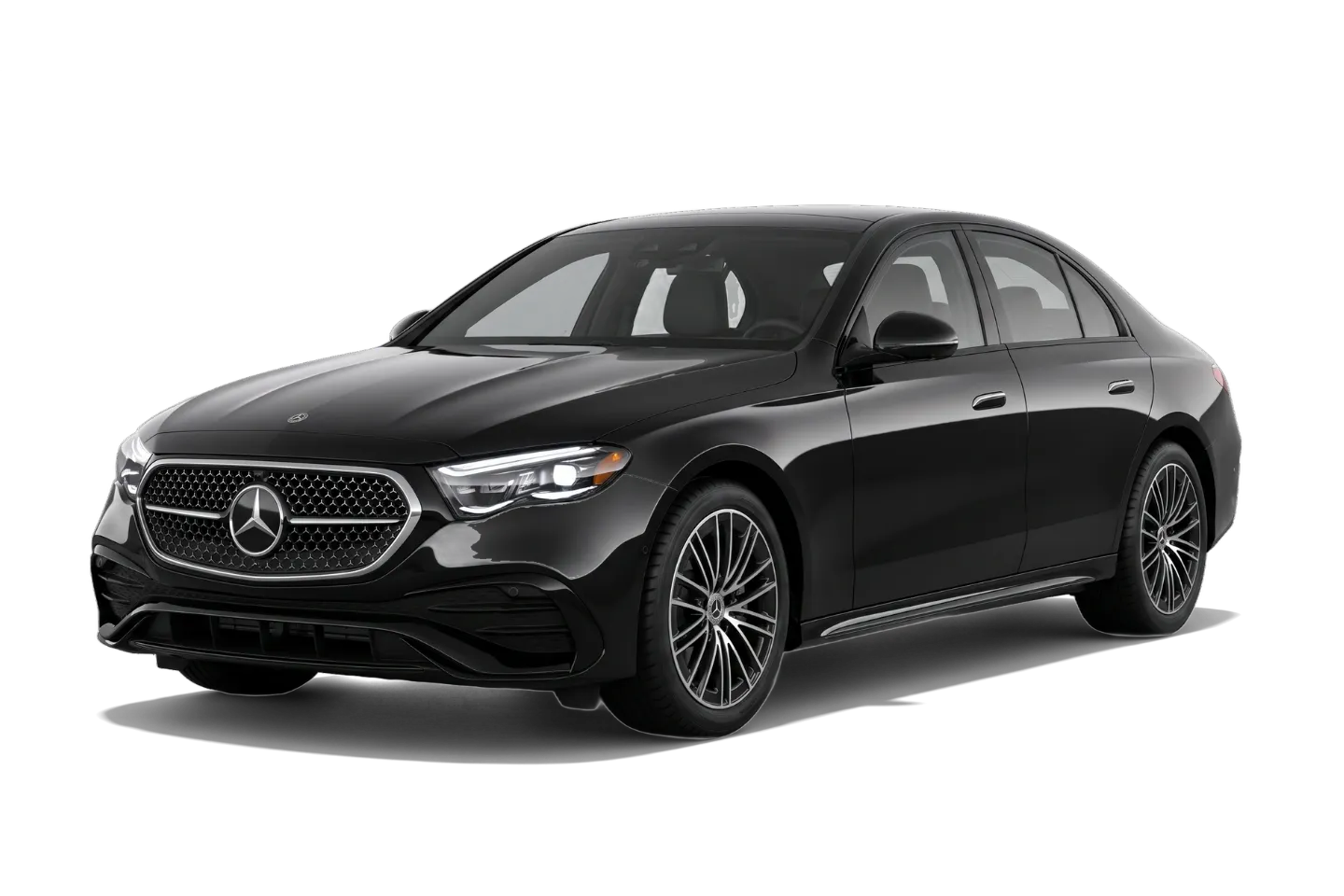
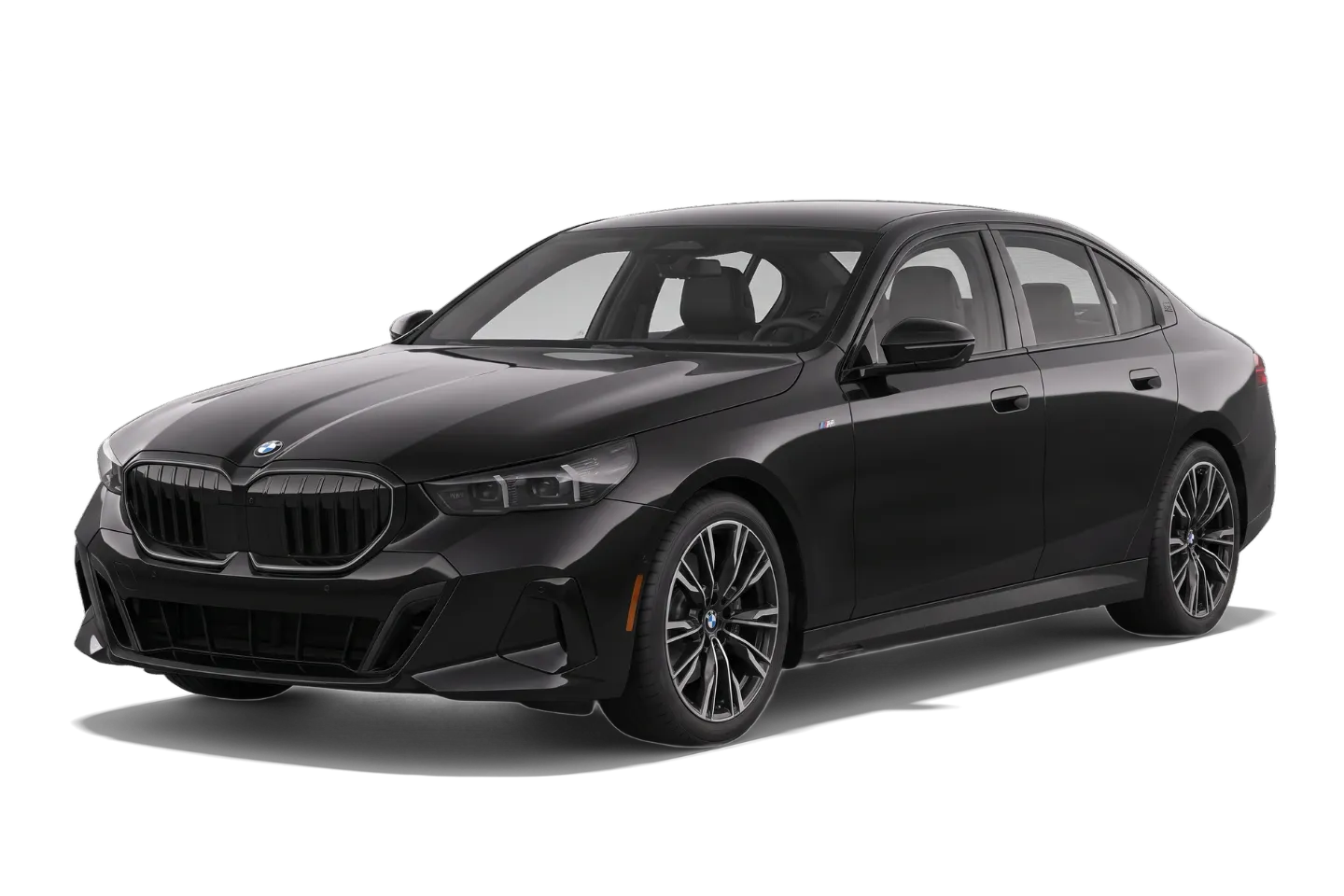
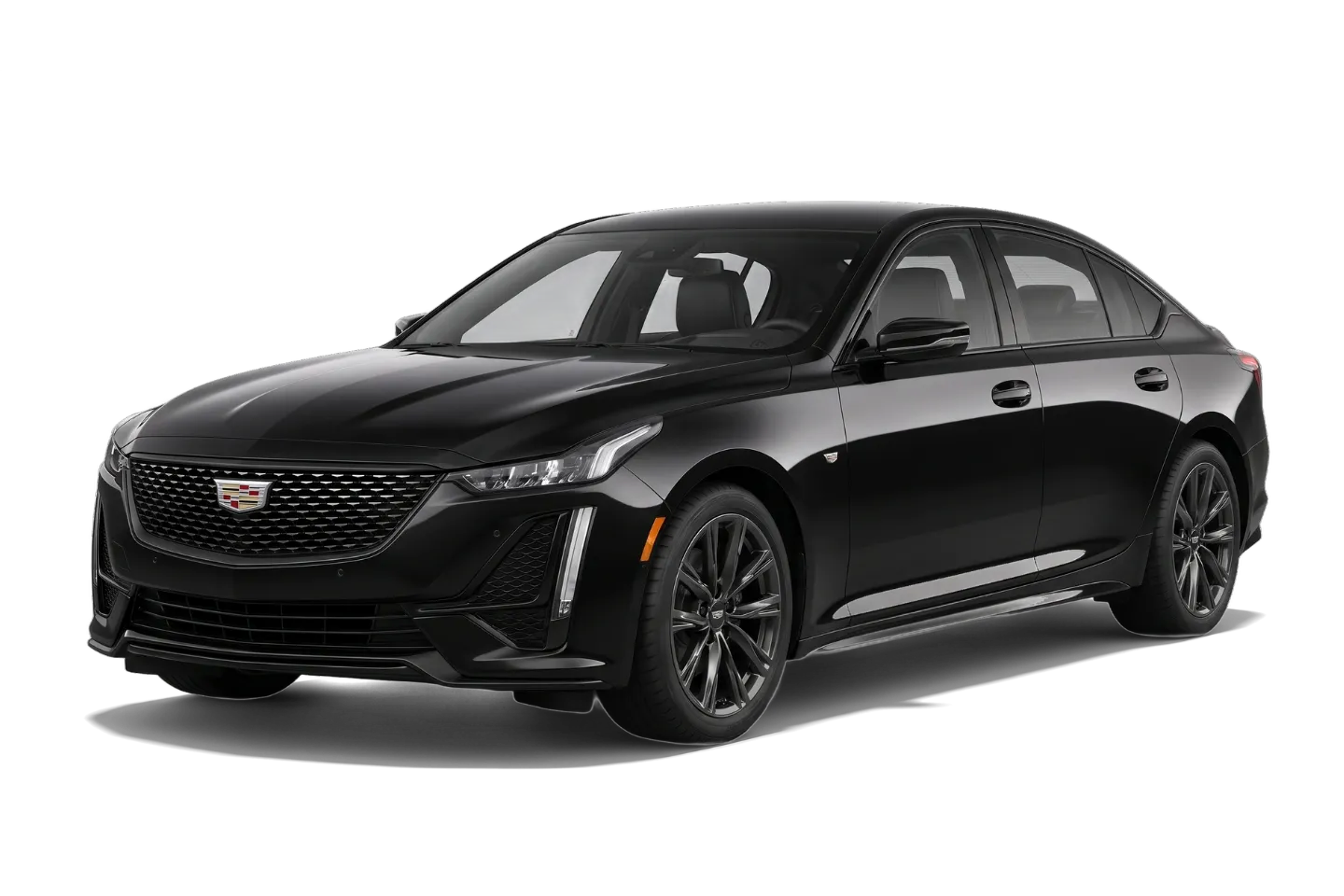
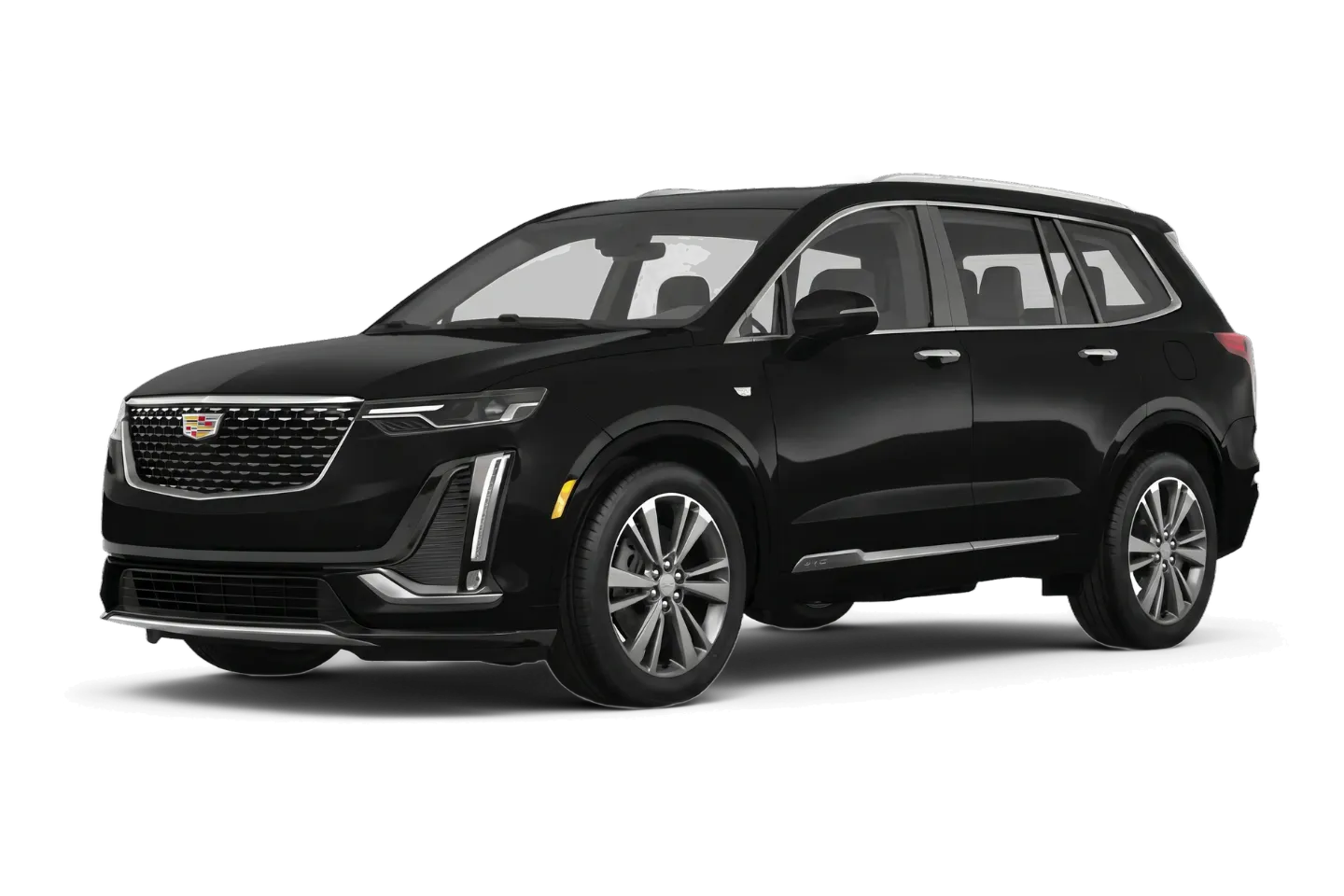
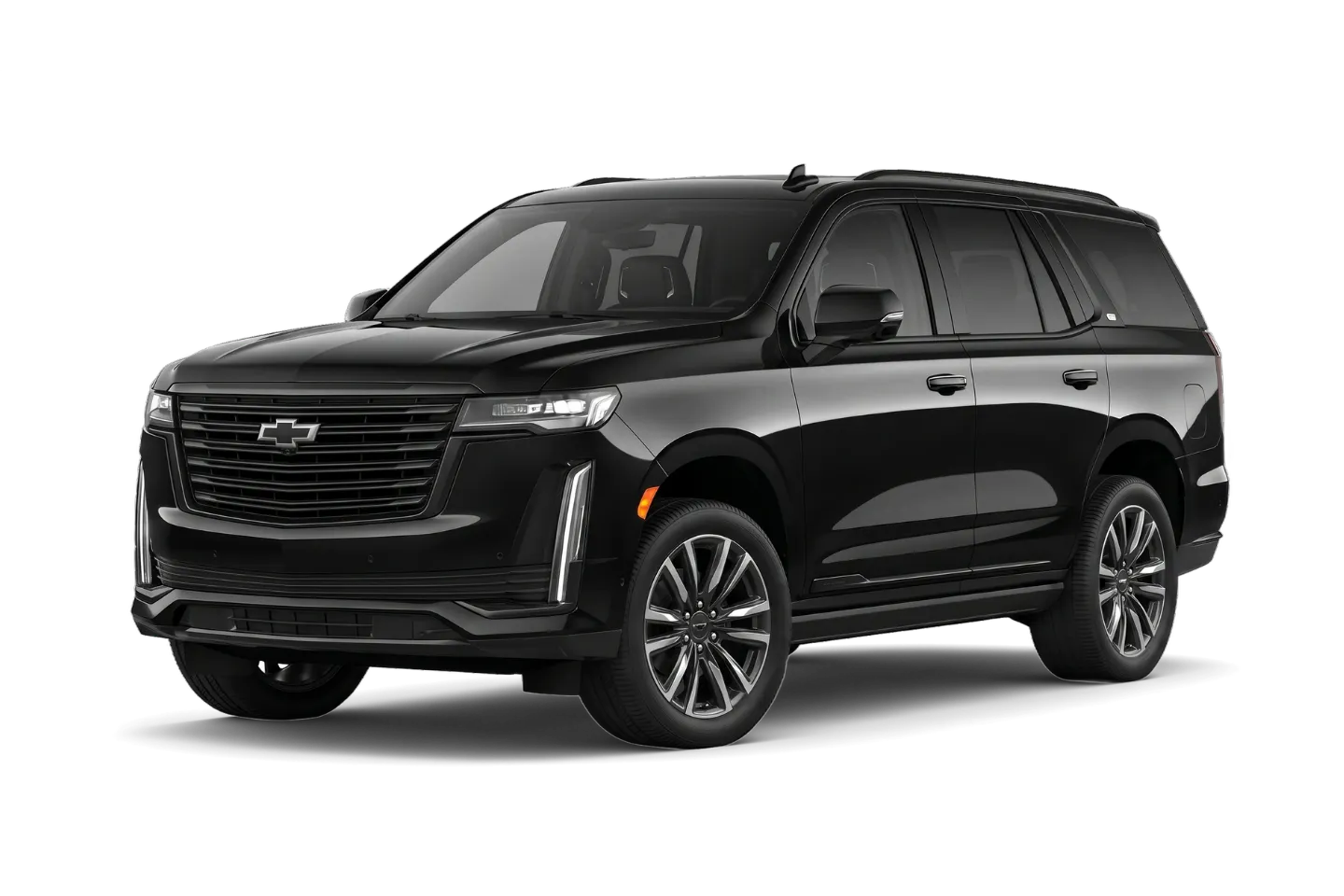
Legendary Limousine arranges mini charter buses for 24 to 35 passengers and motor coaches for up to 56, along with Sprinter vans for 10 to 14, SUVs for up to 6, and sedans for up to 3. Airport groups can use our Virginia airport charter bus service, and every vehicle class is shown on the fleet page.
- Itemized written quotes with the total stated.
- Dispatch 24 hours a day at +1 (718) 221-4771.
- Professional drivers. Every driver is background checked, professionally trained, and familiar with local routes.
- Plain answers about the operator: our base is in Brooklyn, New York, and Virginia bookings may be performed by vetted local partners. Ask us which carrier and which DMV operating authority cover your trip.
Compare Carefully, Then Book With Confidence
Choosing among charter bus companies in Virginia is a short process when you know the checks: DMV authority, insurance, a federal record for interstate trips, the right bus, and a complete quote. Put the same questions to each operator and compare the answers on paper. For a written price on your trip, call +1 (718) 221-4771 or contact Legendary Limousine online, and Legendary Limousine dispatchers will respond with an itemized quote and the operator's details.

Charlotte P. Trujillo
- Filmmaker
- Novelist
- Playwright & Content Editor
An experienced content writer specializing in clear, engaging, and research-driven content for digital audiences. Skilled in creating SEO-friendly website content, blog articles, service pages, and marketing copy that aligns with…