Base for base, the Sprinter is longer and taller while the Transit is a touch wider, and this guide answers whether a Ford Transit is bigger than a Sprinter van with sizes, seating, and NYC trip tips.
No, a Ford Transit is not bigger than a Sprinter van when you compare the base models, since the standard Sprinter is roughly 14 inches longer and 14 inches taller, while the Transit is about an inch wider. At the top of each range, both vans seat up to 15 passengers, and the difference narrows. Our Sprinter van service in New York uses executive Sprinters for groups of up to 14, and riders often ask how the two vans compare. This guide sets out the sizes, the seating, and what the differences mean for a group trip in NYC.
Transit vs. Sprinter Size: The Quick Answer
- Base length: the Sprinter is longer, at about 233.5 inches against about 219.9 inches for the Transit
- Base height: the Sprinter is taller, at about 96 inches against about 82 inches for the low roof Transit
- Width: the Transit is slightly wider, at about 81 inches against about 80 inches
- Maximum factory seating: 15 passengers in both
- Roof choices: three for the Transit, two for the Sprinter passenger van
These figures come from a published Transit and Sprinter size comparison of the base vans. Exact measurements shift a little by model year and configuration, so treat them as a guide.
Why the Answer Depends on the Configuration?
Neither van is one size. Each maker sells several lengths and roof heights, so a large Transit can be bigger than a small Sprinter, and the reverse is also true.
Ford Transit Passenger Van Sizes
Ford builds the Transit Passenger Van with low, medium, and high roofs. According to Ford's Transit Passenger Van specifications, the medium roof stands at roughly 99 to 101 inches and the high roof at roughly 110 inches, and the van seats a maximum of 15. Body lengths include a regular version on a 130 inch wheelbase and long and extended versions on a 148 inch wheelbase.
Mercedes-Benz Sprinter Passenger Van Sizes
The Sprinter Passenger Van comes on a 144 inch wheelbase with 12 seats or a 170 inch wheelbase with 15 seats, the latter with a high roof. The longer wheelbase gives the Sprinter a stretched cabin between the axles, which converters use for extra rows or a luggage bay.
Like for Like
- Small vs. small: the Sprinter is the larger van
- Tall vs. tall: the high roof versions are close in height, at around nine feet
- Long vs. long: both reach 15 seats, and the Sprinter rides on the longer wheelbase
Exterior Size: What It Means on New York Streets?
Length
A longer van needs a longer curb space. In Midtown, SoHo, and Downtown Brooklyn, where loading zones are short and often occupied, a few feet matter. The regular length Transit is the easiest of these vans to place. A long wheelbase Sprinter needs more planning, which is one reason professional chauffeurs scout pickup points.
Height
Both vans in high roof form are far too tall for a typical parking garage, where clearance is often under seven feet. Even the low roof Transit, at about 82 inches, is borderline. For either van, curbside pickup is the norm in the city.
Width
An inch of difference in body width is hard to notice from the driver's seat. Mirrors add to both, and narrow blocks in the West Village or Brooklyn Heights call for care in either vehicle.
Interior Space: Where Riders Feel the Difference
Headroom
In high roof form, both vans let most adults stand upright. That changes how a group boards. People walk to their seats instead of crouching, which is easier in formal wear, with a child, or with a bag in hand.
Cabin Length
The Sprinter's long wheelbase version has a lengthy, uninterrupted floor. Luxury converters favor it, since it leaves room for wide individual seats, a center aisle, and luggage behind the last row.
Cabin Width
The Transit's slightly wider body gives a touch of extra shoulder room across a bench. In executive conversions with individual seats, the difference is small.
Seating From the Factory
Both makers sell 12 and 15 passenger versions. As one industry overview of Transit Passenger Van trims notes, the Transit seats 12 in standard length and 15 in extended length. The Sprinter seats 12 on the shorter wheelbase and 15 on the longer one.
Seating in Chauffeured Service
Factory seat counts describe shuttle benches. Chauffeured vans are refitted for comfort, so the numbers change.
- Executive Sprinter shuttle: 10 to 14 passengers in individual seats
- Business class Sprinter: about 7 passengers in large captain's chairs
- Executive Transit shuttle: commonly 10 to 14 passengers, depending on the builder
Our guide to the seating capacity of a Sprinter van in NYC explains each layout and how luggage affects the real number.
Luggage Room Compared
For passenger service, luggage space depends mainly on the conversion, and the badge plays a small part. A van with seats to the back doors holds people and little else. A van with a rear luggage bay gives up a row for bags.
Rules of Thumb
- 14 riders with carry on bags fit an executive shuttle of either make
- About 10 riders fit with one large suitcase each
- Ski bags, golf clubs, and instruments reduce seats further
For airport runs, give the bag count when you book. Our Sprinter van service at JFK assigns the van based on riders and luggage together.
Ride, Comfort, and Noise
Ride Quality
Both are tall, rear wheel drive vans built on commercial platforms, and both ride firmly when empty. A full cabin smooths them out. The Sprinter has a reputation for a composed highway ride, and the Transit is often praised for car like steering.
Cabin Noise
Conversion quality matters most. Insulated wall panels, carpet, and upholstered ceilings make an executive van far quieter than a bare shuttle of either make.
Climate Control
Passenger versions of both vans offer rear air conditioning, which is necessary in a cabin this large during a New York summer.
Entry and Exit
Both use a wide sliding side door. Step height is similar, and many chauffeured vans add a running board or powered step.
Where Each Van Comes From?
The two vans arrived in the American market at different times. The Sprinter first reached the United States in 2001 and spent some years sold under other badges before returning to the Mercedes-Benz name. Ford introduced the Transit to American buyers for the 2015 model year, replacing its long running Econoline passenger van. Both are now in wide use as shuttles, work vans, and conversion platforms. In New York's chauffeured market, the Sprinter had a long head start, which helps explain why so many luxury interiors were designed for it. At Legendary Limousine, executive Sprinters handle our van bookings for groups of 7 to 14. Model years and options change often, so confirm the exact vehicle and layout when you book.
Why Many New York Fleets Choose the Sprinter?
In chauffeured service around the city, the Sprinter is the van riders see most. Several practical reasons explain that.
- The long wheelbase suits luxury layouts with an aisle and a luggage bay
- High roof headroom makes boarding easy for formal events
- Many custom builders design their executive and limo style interiors around it
- Clients recognize the vehicle and request it by name
The Transit is a capable van and a common choice for hotel shuttles, crew transport, and school or community groups. For weddings, corporate travel, and airport transfers, the executive Sprinter has become the standard request.
Which Van Is Better for Your Group?
For a passenger, the make matters less than the interior. Ask about these points before the badge.
- How many seats does the van have, and are they individual seats or benches?
- Is it a high roof model?
- How much luggage space sits behind the last row?
- Does it have rear climate control and charging ports?
- How old is the vehicle, and can you see photos of the interior?
Choose a Sprinter Style Executive Van When
- You have 7 to 14 riders for a wedding, corporate trip, or night out
- Guests will be in formal clothes and need to stand to board
- You have luggage for an airport transfer
- Comfort over several hours matters
A Basic Shuttle Van Works When
- The trip is a short hop between a hotel and a venue
- Maximum headcount matters more to you than seat width
- Budget is the first concern
If you are still deciding whether a van suits your plans at all, our post on whether getting a Sprinter van is worth it for groups in NYC walks through the cost case.
What a Chauffeured Van Costs in NYC?
Our executive Sprinters run about $140 to $220 per hour in 2026, with the chauffeur, fuel, and expected tolls in the flat quote.
- Four hours: about $560 to $880
- Six hours: about $840 to $1,320
- Ten hour day: about $1,400 to $2,200
With 12 riders, a four hour booking works out to roughly $47 to $73 per person. For a full pricing breakdown, see our guide on what Sprinter vans rent for in NYC, and for long itineraries, our post on what it costs to rent a van for a day in NYC.
How Both Vans Compare With Other Group Vehicles?
- Full size SUV: up to 6 passengers, the easiest to park and route
- Stretch limousine: 8 to 10 passengers on low perimeter benches
- Sprinter or Transit executive van: 10 to 14 passengers with standing headroom
- Mini charter bus: 24 to 35 passengers
- Full size coach: up to 56 passengers
Once a group passes 14, neither van is large enough on its own. Our guide to the best way to transport 20 people in NYC compares two vans with one mini bus.
Rules That Apply to Both Vans in New York City
Size has legal consequences, and they are the same whichever badge is on the grille.
License Class
In New York, a vehicle that transports 15 or more passengers falls under a commercial license class. A 15 passenger Transit and a 15 passenger Sprinter are treated alike. With chauffeured service, the driver already holds the right license.
Parkways
Vans with commercial plates may not use most city parkways, including the Belt Parkway. Routes to parts of Brooklyn, Queens, and Westchester must follow expressways and surface streets.
Clearances
High roof vans stand around nine feet tall. Low bridges, garage entrances, hotel canopies, and certain drive through lanes are off limits. Chauffeurs who drive these vans daily know the trouble spots.
Curb Access
Loading and standing rules for commercial vehicles differ from those for private cars. A professional driver knows where a van may stop to load passengers near venues such as Lincoln Center, Barclays Center, and the Javits Center.
Real Trips: Does the Size Difference Matter?
Wedding Party of 12 in Brooklyn
The group needs to board in gowns and suits, stop for photos in Dumbo, and arrive together. A high roof executive van with an aisle is the right tool. Standing headroom matters far more here than an inch of width.
Hotel Shuttle for 14 in Midtown
Guests ride 10 minutes between a hotel and a conference venue, with no luggage. A basic 14 or 15 seat shuttle of either make does the job. Curb length is the main constraint, so a shorter body helps.
Family of 9 Arriving at JFK
Nine travelers bring 11 suitcases. The van needs a real luggage bay, so the layout decides the choice. An executive Sprinter with rear storage carries everyone in one trip.
Executive Team of 6
Six people want to work on the way to three meetings. A business class Sprinter with captain's chairs and tables gives them a moving office. Size is beside the point, and the interior is everything.
Common Myths About Van Size
A Bigger Van Always Holds More People
Seat count depends on the interior. A long executive van with 10 wide seats holds fewer riders than a shorter shuttle with 14 slim ones.
All 15 Passenger Vans Are the Same
Roof height, wheelbase, seat type, and luggage space vary widely. Two vans with the same seat count can feel completely different.
A Taller Van Is Harder to Ride In
The opposite is true for passengers. Height makes boarding and moving around easier. The challenges belong to the driver.
You Can Park a Van Anywhere a Large SUV Fits
Length and height both rule out many garages and tight spots. This is why chauffeured vans load at the curb and wait in legal standing areas.
What We Run and Why?
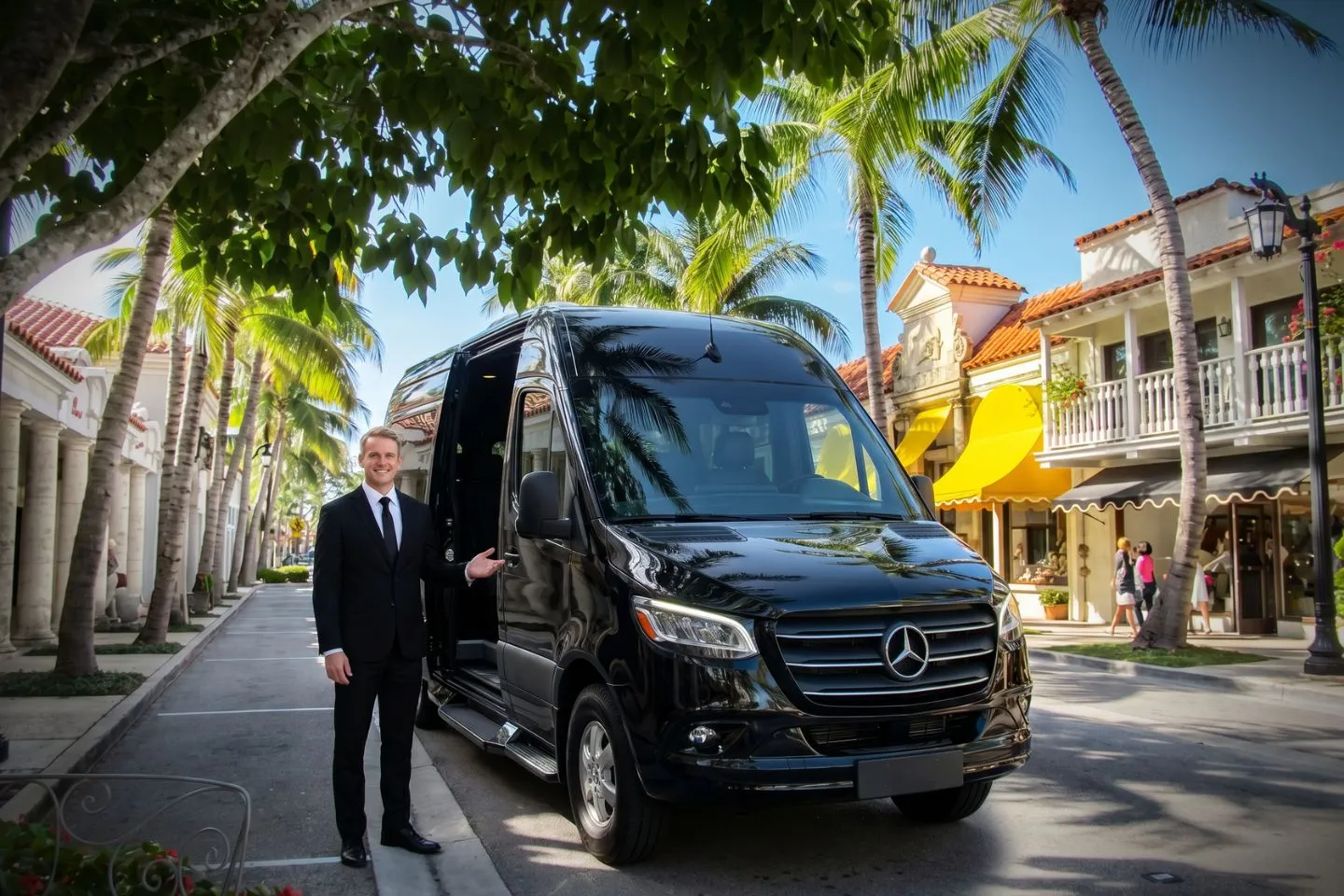
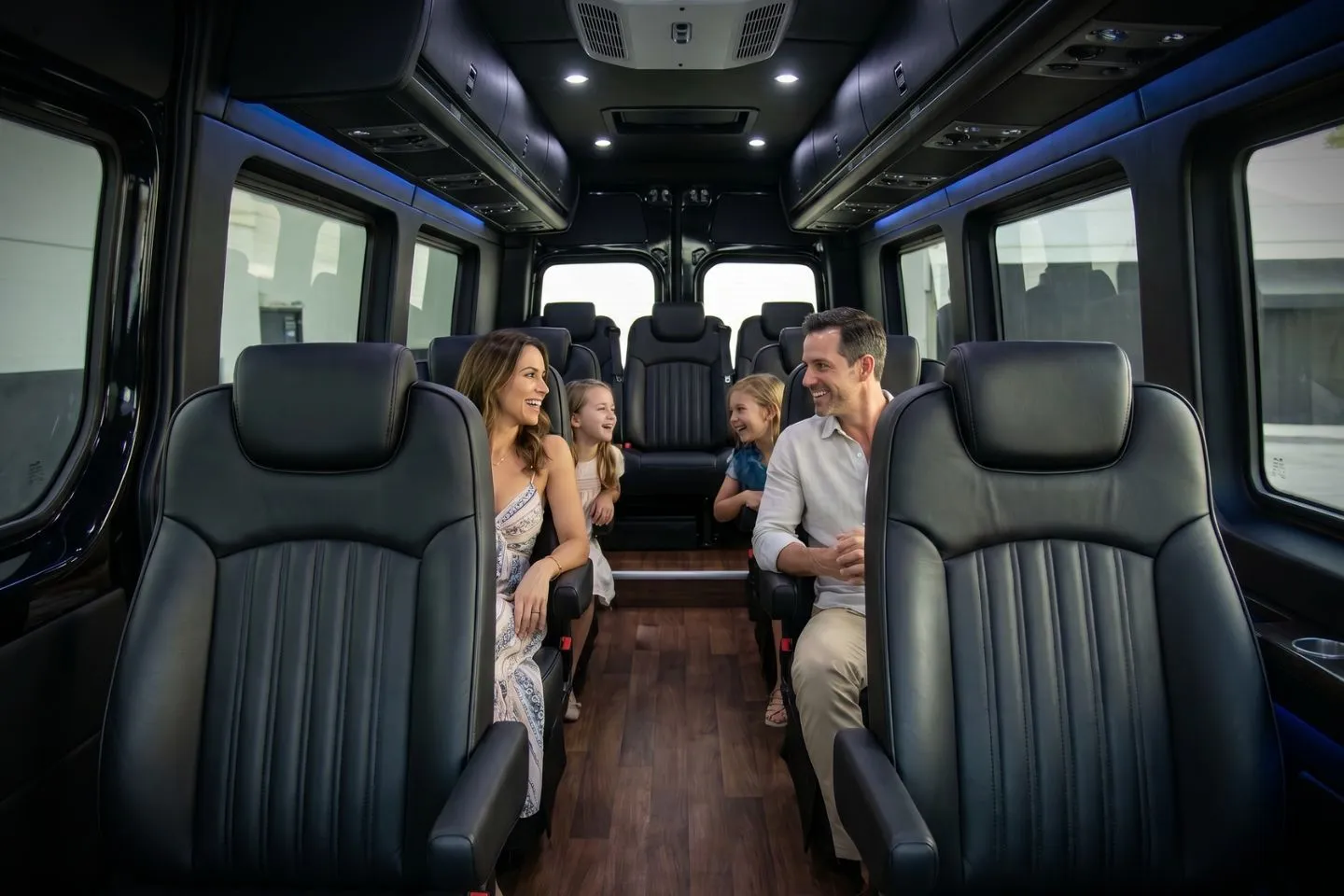
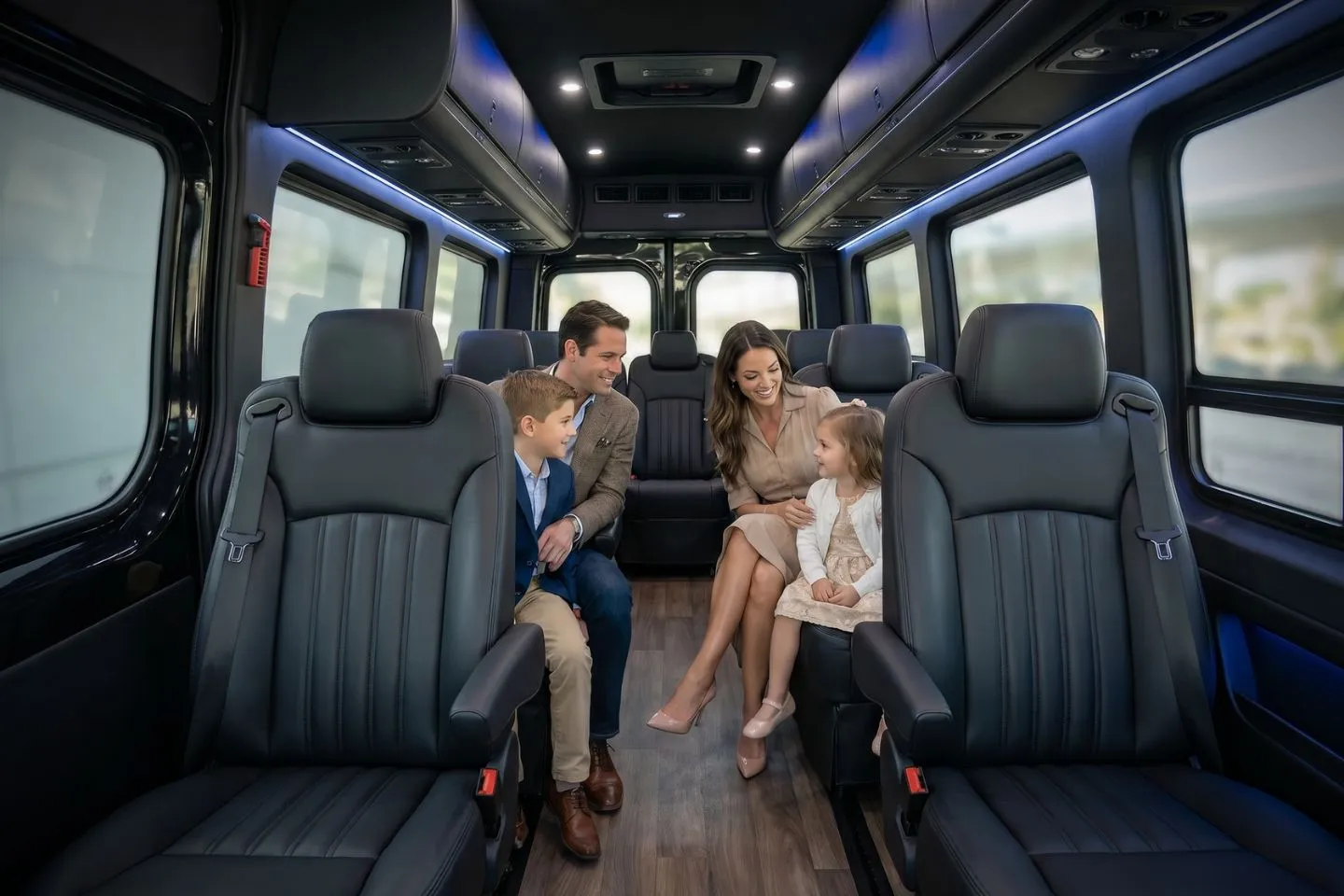
Legendary Limousine operates executive Sprinter vans for groups of up to 14, along with a business class layout for about seven riders. The platform offers generous headroom, a long cabin, and a wide choice of quality interiors. Our vans have leather seating, rear climate control, and space for luggage behind the last row.
You can see the vans next to our sedans, SUVs, limousines, and buses in our fleet of vehicles. When you call, we ask about riders, bags, and the occasion, then recommend the layout that fits.
Airport Service
Vans are the most requested vehicle for group arrivals. Our New York airport Sprinter van service covers JFK, LaGuardia, and Newark Liberty with flight tracking, meet and greet on request, and a complimentary wait period after landing.
Where We Operate?
We serve Manhattan, Brooklyn, Queens, the Bronx, Staten Island, Nassau County, and Suffolk County. Popular van trips include wedding days in Williamsburg and Long Island City, corporate travel in Midtown and the Financial District, game nights at Yankee Stadium and Citi Field, and day trips to the Hamptons, the North Fork, and Woodbury Common.
How to Choose a Van Company?
- Ask for the make, model year, and seat count of the assigned van
- Request interior photos
- Confirm licensing and commercial insurance for passenger service
- Check how chauffeurs are screened
- Read the terms on waiting time, overtime, and cancellation
- Make sure dispatch answers at night and on weekends
Legendary Limousine has served New York riders since 1997. Our chauffeurs are licensed and screened, our vans are inspected and insured, and our dispatch desk is open 24 hours a day.
Booking Tips
- Share the headcount and the bag count together
- Describe the occasion so the right layout is assigned
- Reserve three to six weeks ahead, and about two months ahead for peak Saturdays
- Choose a weekday when you can for a lower rate
- Pick a curbside meeting point with room for a long, tall vehicle
The Bottom Line on Transit vs. Sprinter Size
A Ford Transit is not bigger than a Sprinter van in base form, where the Sprinter is longer and taller and the Transit is a touch wider. In their largest passenger versions, both seat 15 and both stand about nine feet tall. For riders, the interior layout matters most. Call +1 (718) 221-4771 at any hour, or reserve online with Legendary Limousine, and we will match your group with the right van and send a flat quote. Tell us your headcount, your luggage, and your date today.

Melissa M. Vance
- Senior Travel Writer
- Legendary Limousine
Melissa M. Vance creates authoritative content focused on luxury travel, executive transportation, and premium chauffeur services. Working alongside Legendary Limousine's nationwide operations team, she researches travel trends, airport procedures, corporate…