Riders and job seekers both want to know what stands behind the title. See the Connecticut endorsement, background check, and license rules, plus the training and service standards good companies add.
Two kinds of people ask what it takes to be a chauffeur in Connecticut. Riders want to know who will be at the wheel when they book a car for a wedding, a flight, or a day of meetings. Job seekers see "chauffeur CT" in a listing and wonder which licenses and skills an employer expects. The answer is the same for both: the state sets legal requirements, and good companies add their own standards on top. This guide explains each layer, from endorsements and background checks to training and manners, and shows how to confirm that a chauffeur service in Connecticut meets them. It is written by the team at Legendary Limousine, where hiring and training drivers is part of daily work.
What Does "Chauffeur CT" Mean in a Job Listing?
In a listing, the phrase simply means a chauffeur position based in Connecticut. The role involves driving clients in sedans, SUVs, vans, or limousines for a transportation company, a hotel, a corporation, or a private household. Listings usually ask for a valid license with the proper endorsement, a clean driving record, a professional appearance, knowledge of the area, and flexible hours. The sections below explain what stands behind each of those lines.
What Are the Legal Requirements in Connecticut?
A Valid Driver License
Every chauffeur starts with a valid license. For sedans, SUVs, and most vans, a standard class of license is the base, with the endorsement described next added to it.
A Public Passenger Endorsement
Connecticut requires an endorsement on the license of anyone who drives passengers for hire. The Department of Motor Vehicles lists the types on its Public Passenger Endorsements page. The "F" endorsement covers taxis, livery vehicles, service buses, motor buses, and motor coaches, which makes it the one that applies to limousine and chauffeured car work. Other endorsements, marked "S", "V", and "A", relate to school buses, student transportation, and activity vehicles.
A Criminal Background Check with Fingerprints
Applicants for a public passenger endorsement are fingerprinted and undergo state and national criminal record checks. The check is part of the application, so a chauffeur who holds the endorsement has already been through it.
An Acceptable Driving Record
The state reviews the applicant's driving history. Certain violations disqualify a person from holding the endorsement for a period, and an endorsement can be suspended or withdrawn if the record deteriorates later.
A Medical Certificate
The application includes a medical examiner's certificate, which confirms that the driver is physically fit for the work.
A Commercial License for Larger Vehicles
For vehicles designed to carry 16 or more people, the driver also needs a commercial driver license with a passenger endorsement. This applies to motor coaches, most mini buses, and large party buses.
How Does Someone Apply?
The Department of Motor Vehicles sets out the steps on its page on how to apply for a public passenger endorsement. In outline, an applicant confirms eligibility, completes the application form, gathers the supporting documents, and is fingerprinted for the background check. Processing takes time, which is why new chauffeurs often begin the paperwork before they start a job search in earnest.
What Must the Company Hold?
A qualified driver is half of the picture. The business must be authorized too. In Connecticut, the Department of Transportation's Regulatory and Compliance Unit oversees livery operators, taxi companies, and motor bus companies, as its regulation page explains. A legitimate chauffeur service operates under the proper permit, registers its vehicles for livery use, and carries commercial insurance. A driver with a perfect record working for an unlicensed operator is still an unlicensed ride.
Why Do These Requirements Matter to Riders?
Each requirement answers a question a passenger would want answered. The background check addresses personal safety, which matters most when the rider is a teenager on prom night or an older relative traveling alone. The driving record review addresses road safety. The medical certificate confirms fitness for long hours at the wheel. The company permit and commercial insurance mean that, if something does go wrong, there is a responsible business and a policy standing behind the ride. A cheaper trip with an unlicensed driver removes every one of those protections at once. Seen that way, the credentials are the product as much as the car is. It is also why established companies are glad to be asked about them.
Which Standards Do Good Companies Add?
The law sets a floor. Reputable employers build well above it, because their name rides in every car.
Experience Behind the Wheel
Most companies look for several years of licensed driving and prefer candidates who have driven professionally. Insurers often set a minimum age for commercial drivers, which shapes hiring policies.
Their Own Record Review
Beyond the state check, employers review motor vehicle records at hiring and again at regular intervals. A pattern of speeding or at-fault incidents usually ends a candidacy.
Drug and Alcohol Testing
Testing before employment is common across the industry, and it is required under federal rules for drivers of larger commercial vehicles.
Reference and Employment Checks
Careful companies call previous employers. Reliability and discretion are hard to judge from a form.
Training
New chauffeurs are typically trained in defensive driving, company procedures, vehicle features, airport protocols, and customer care. Many ride with an experienced colleague before taking clients alone.
Area Knowledge
Navigation apps help, yet they do not replace knowing the state. A Connecticut chauffeur should understand Interstate 95 traffic through Fairfield County, the interchanges around Hartford, the approach roads to Bradley International, the routes to the New York airports, and the entrances of the major hotels and venues.
Which Personal Qualities Make a Good Chauffeur?
Licenses get a driver hired. These qualities keep clients coming back.
- Punctuality: arriving ten to fifteen minutes early is the standard, every time.
- Discretion: what is said in the car stays in the car.
- Calm under pressure: delays, detours, and difficult days are handled without fuss.
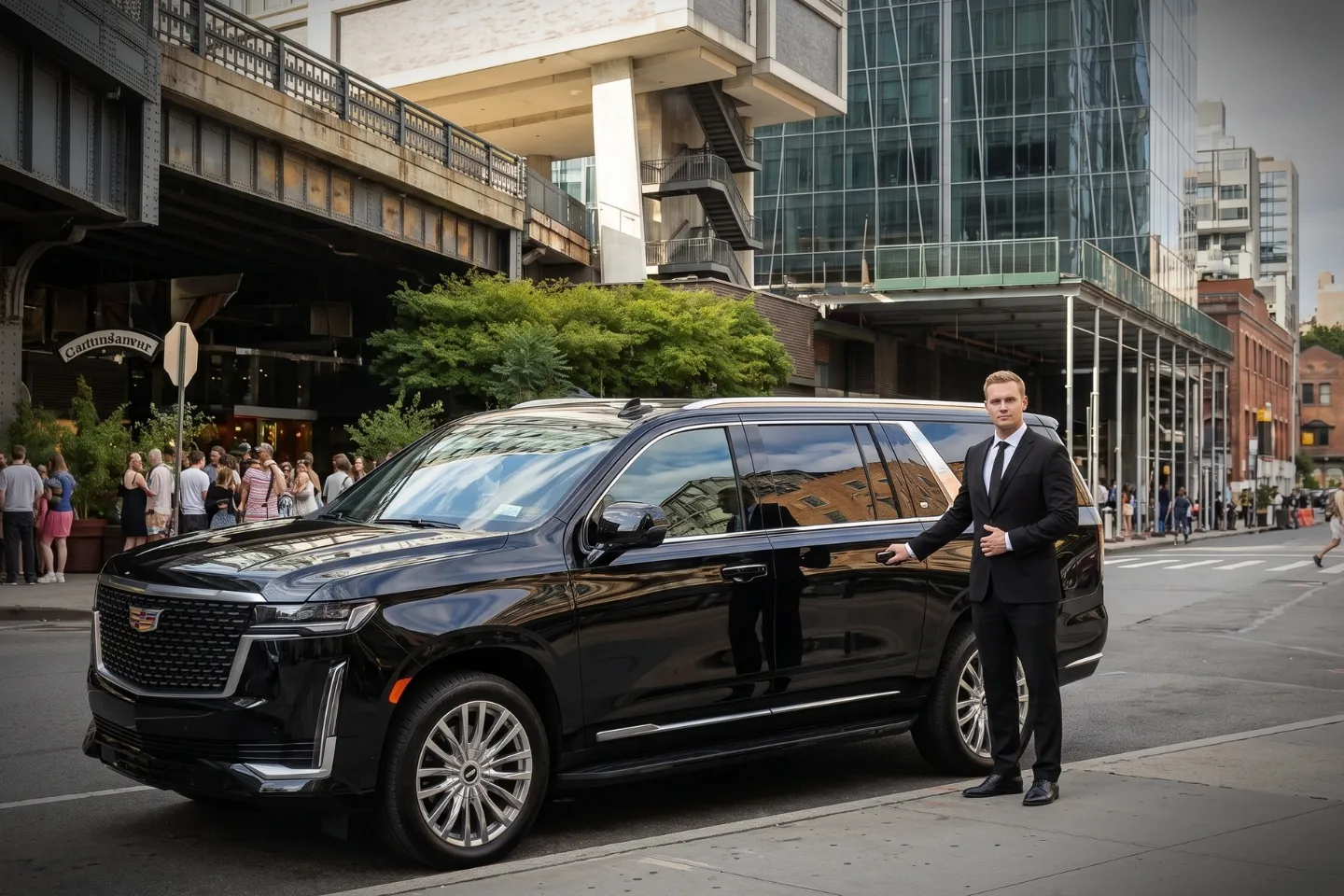
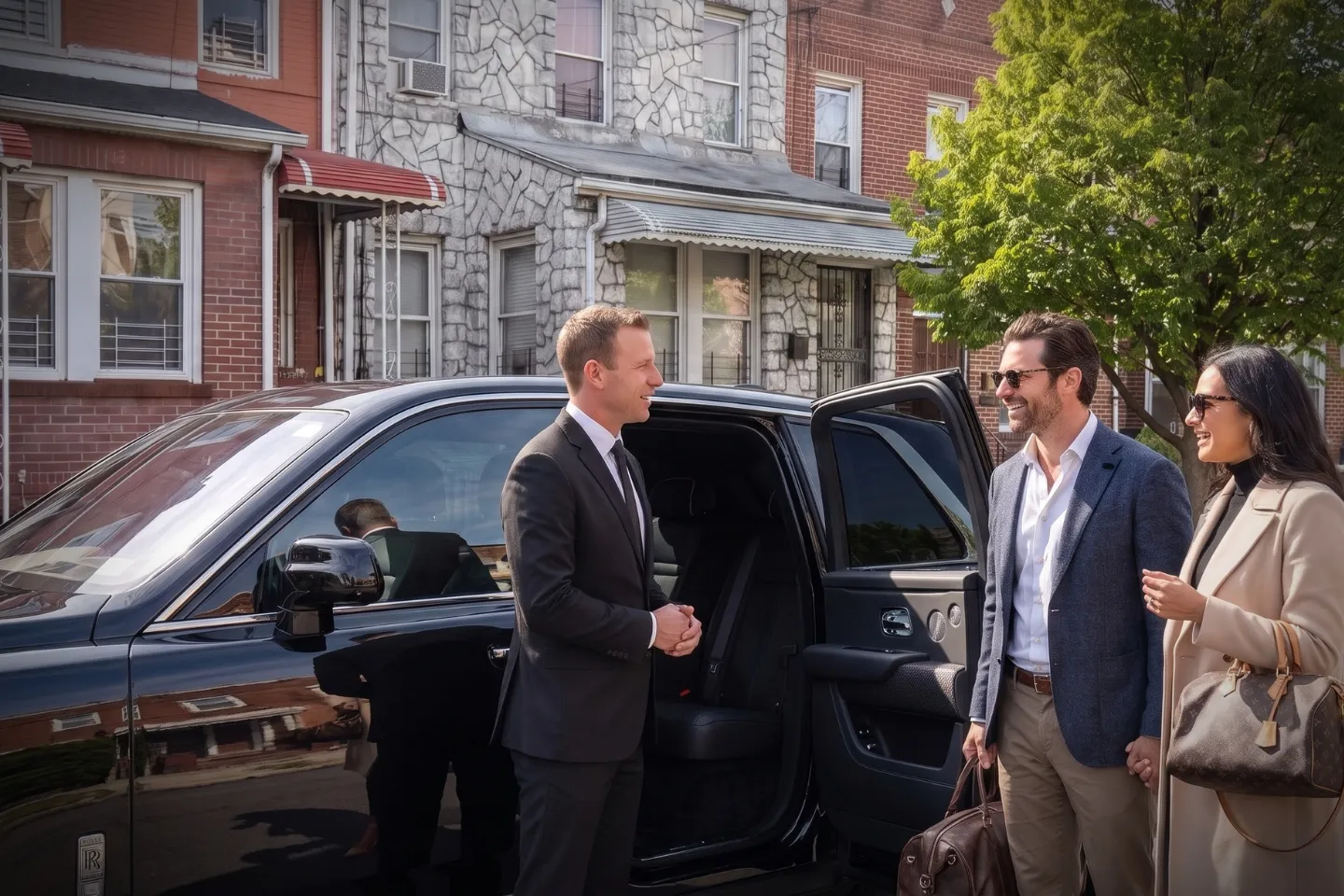
- Courtesy: doors are opened, bags are carried, and the client's preferences set the tone.
- Presentation: a clean suit, a clean car, and a professional manner.
- Smooth driving: gentle braking and steady speeds, with no phone in hand.
- Communication: clear messages before pickup and quick updates when something changes.
- Judgment: knowing when to talk, when to stay quiet, and when to suggest a better route.
- Stamina: long days and early starts are part of the job.
- Honesty: lost items are returned, and time is recorded accurately.
How Is a Chauffeur Different from Other Drivers?
Chauffeur and Taxi Driver
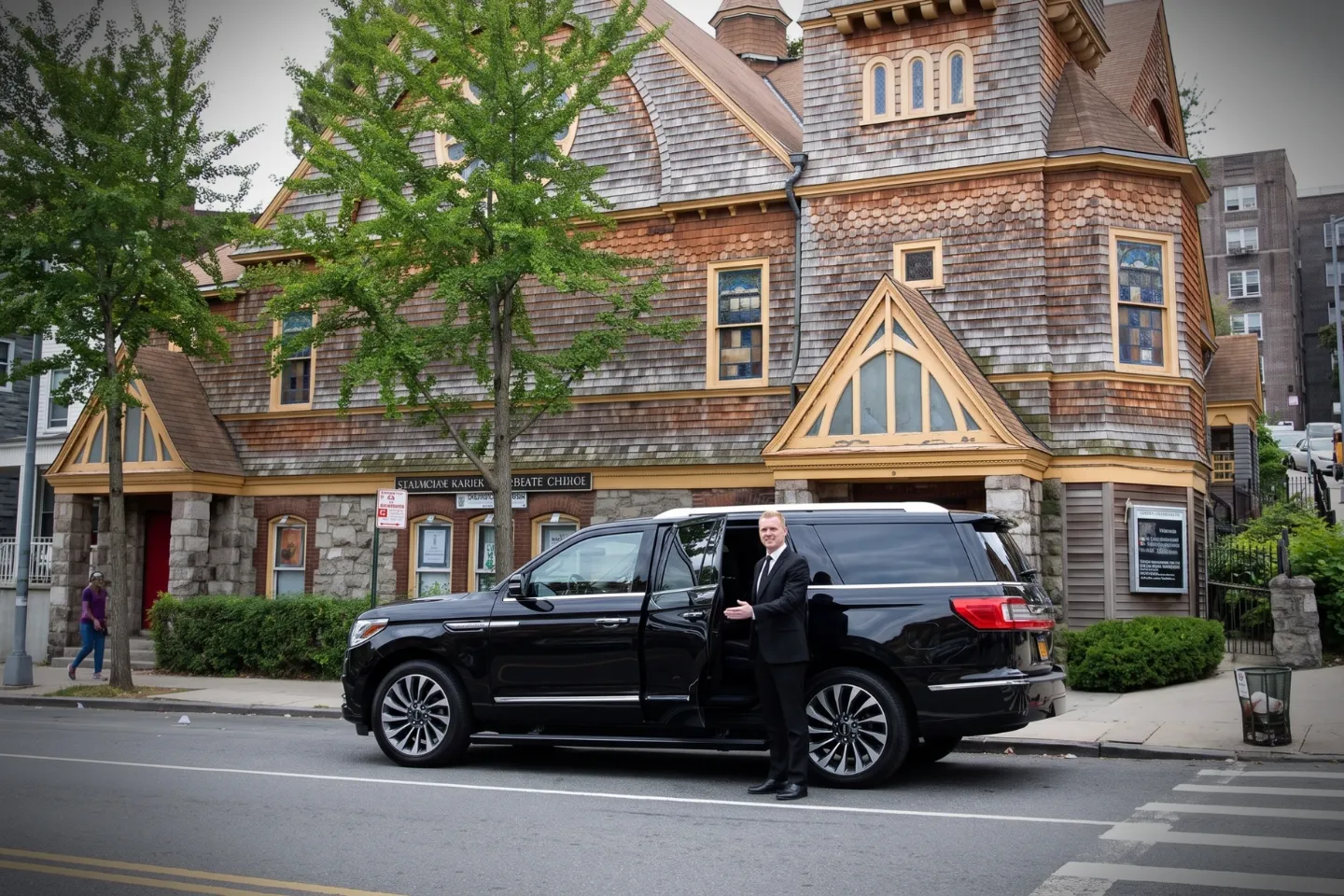
Both carry passengers for hire, and both need a public passenger endorsement in Connecticut. A taxi driver serves whoever is next at the stand or on the dispatch screen, with the fare set by a meter or zone. A chauffeur is assigned to a specific client by reservation, prepares for that booking in advance, and provides a higher level of personal service.
Chauffeur and App Driver
App drivers use their own cars and accept trips on demand through a platform. A chauffeur drives a company vehicle or a dedicated livery vehicle, works from a schedule, and is supported by a dispatcher who knows the day's plan.
Chauffeur and Bus Driver
A motor coach driver holds a commercial license and manages a large vehicle with dozens of passengers. The service ethic is the same, while the licensing and the rules on driving hours are stricter.
Which Vehicles Do Chauffeurs Drive?
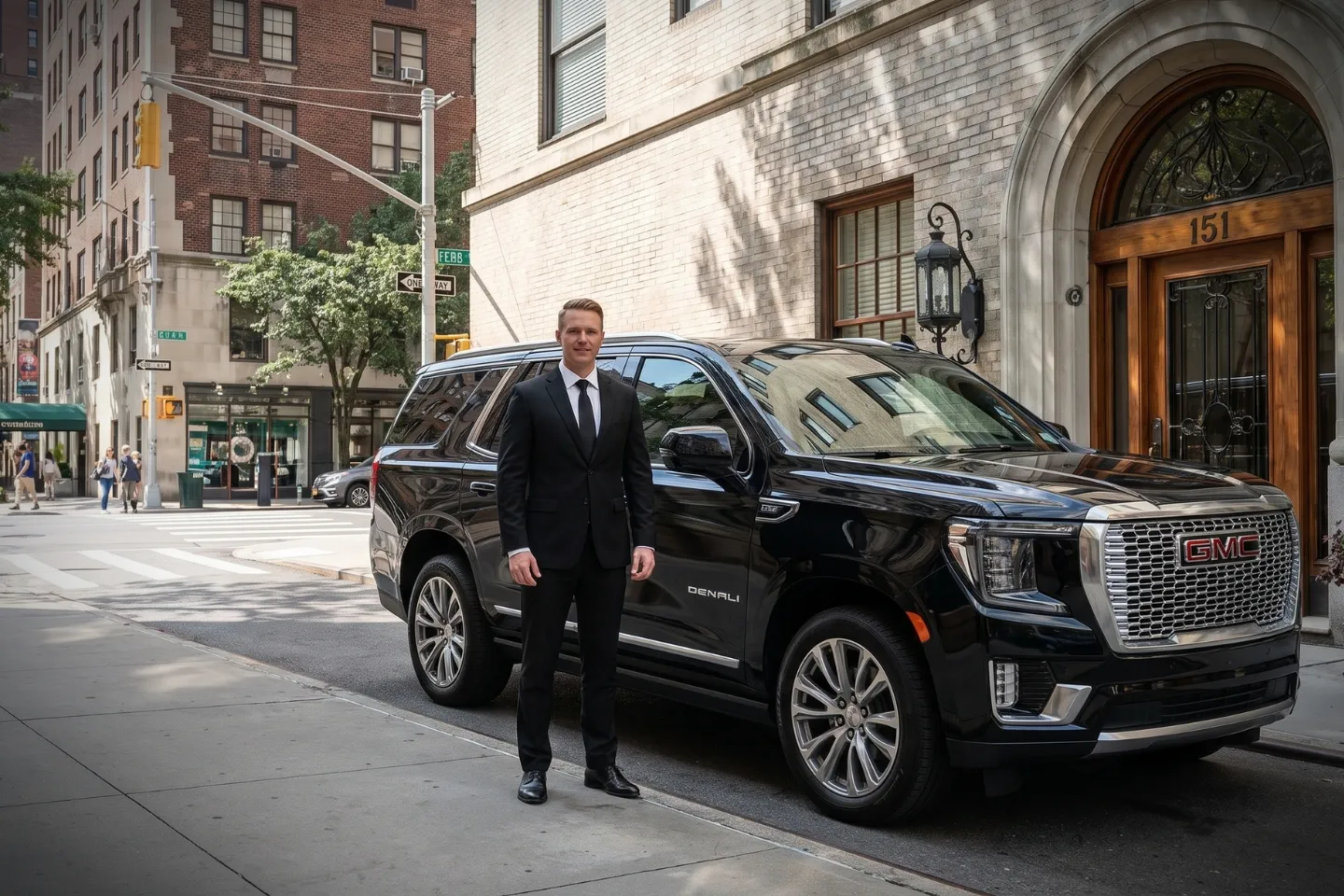
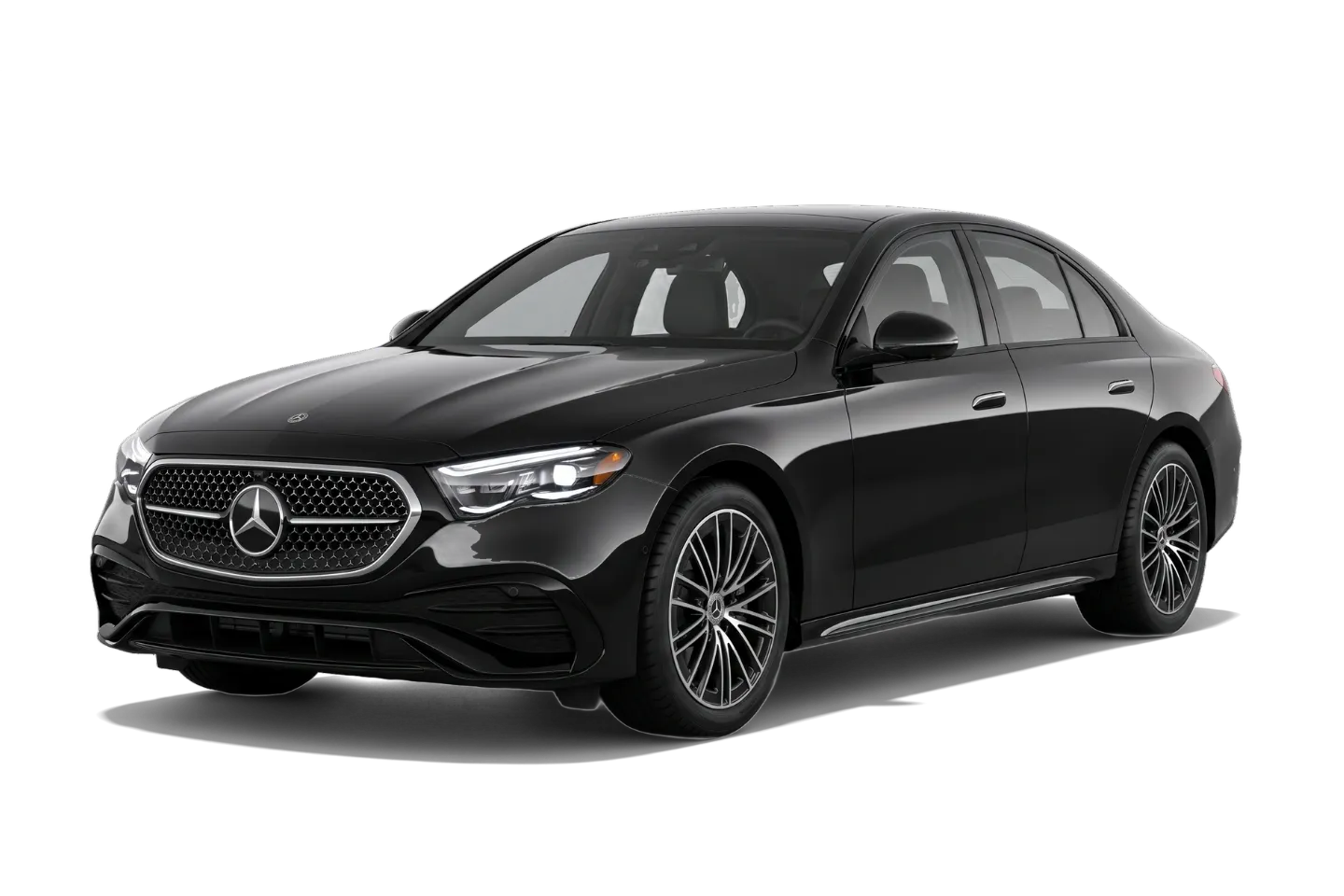
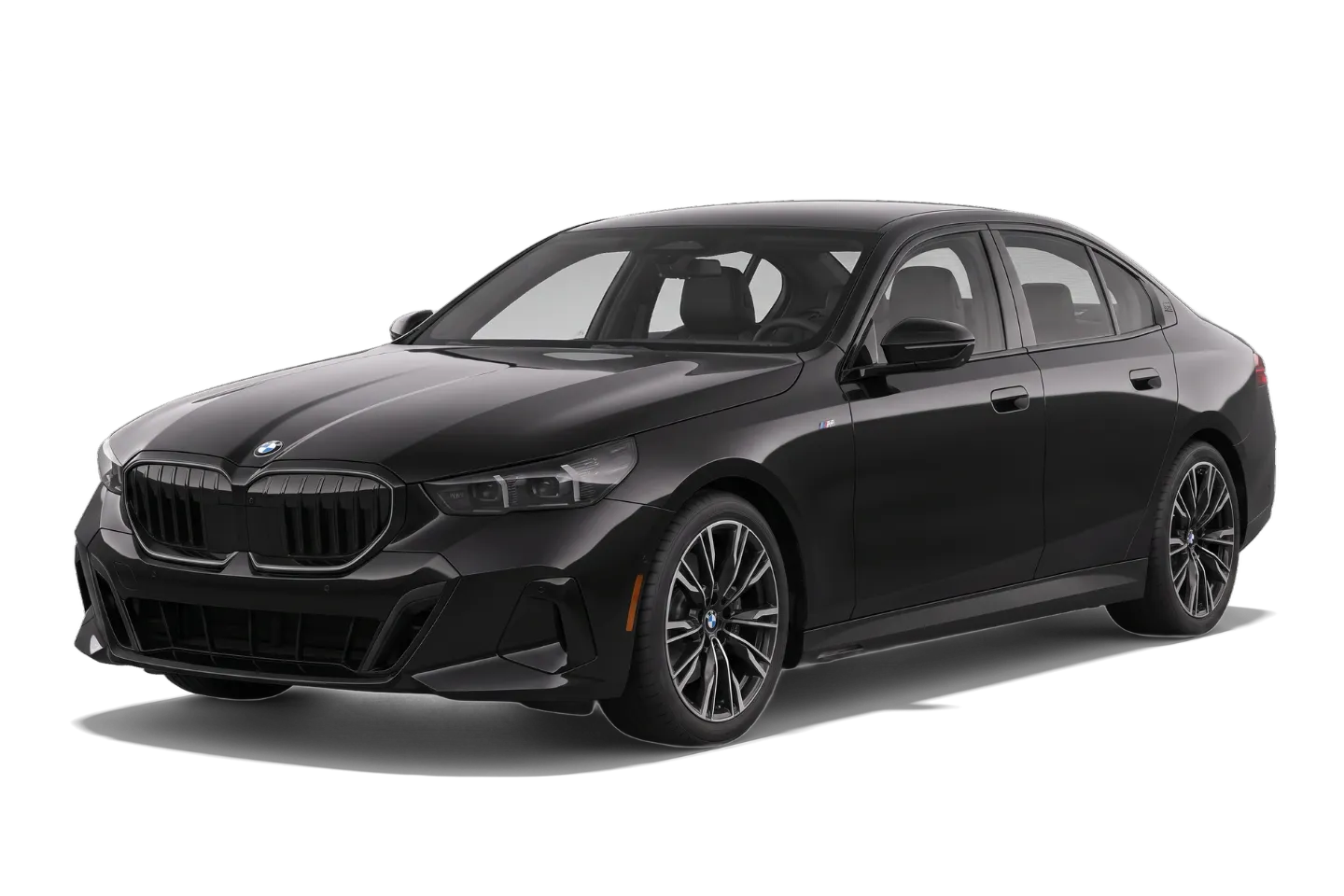
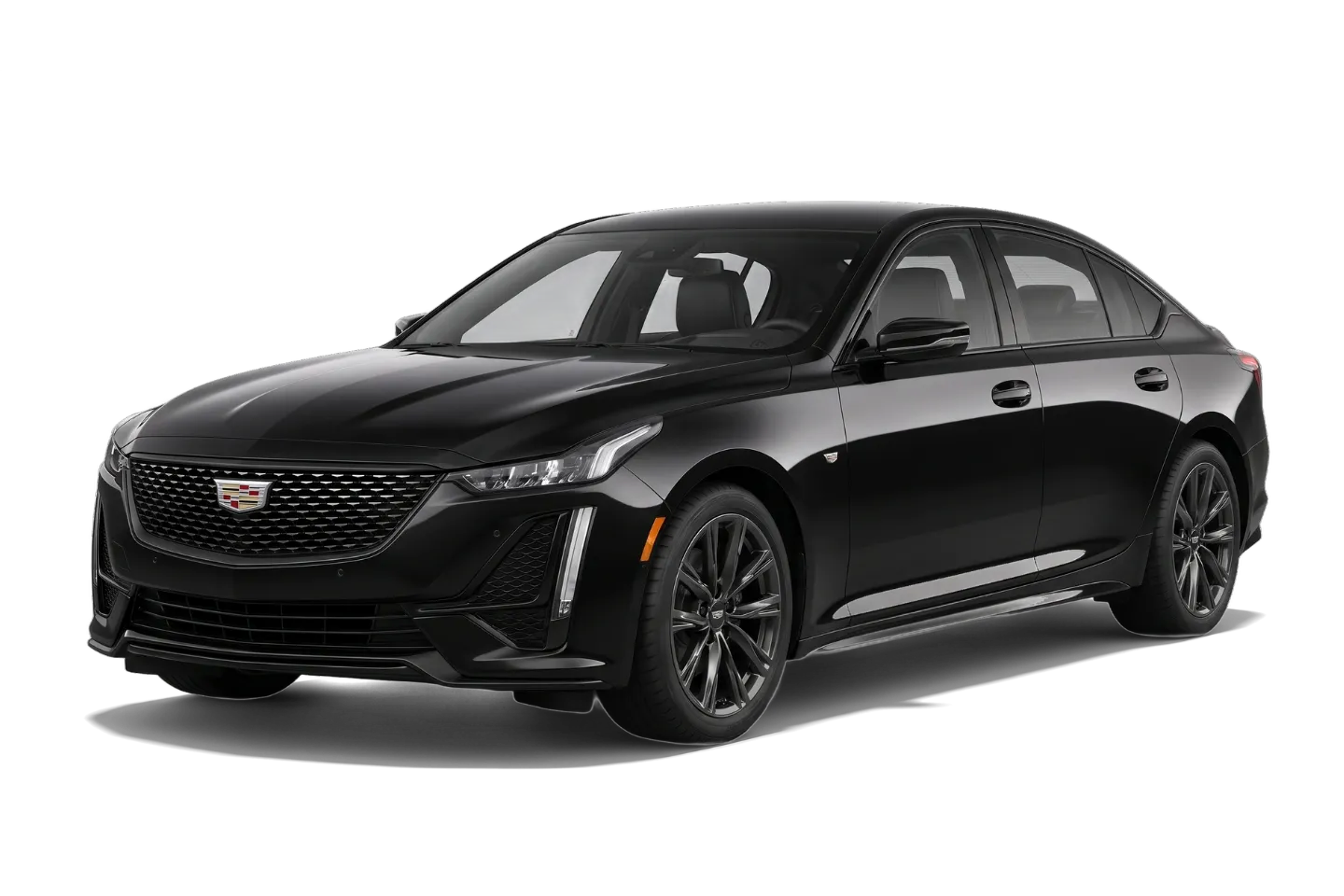
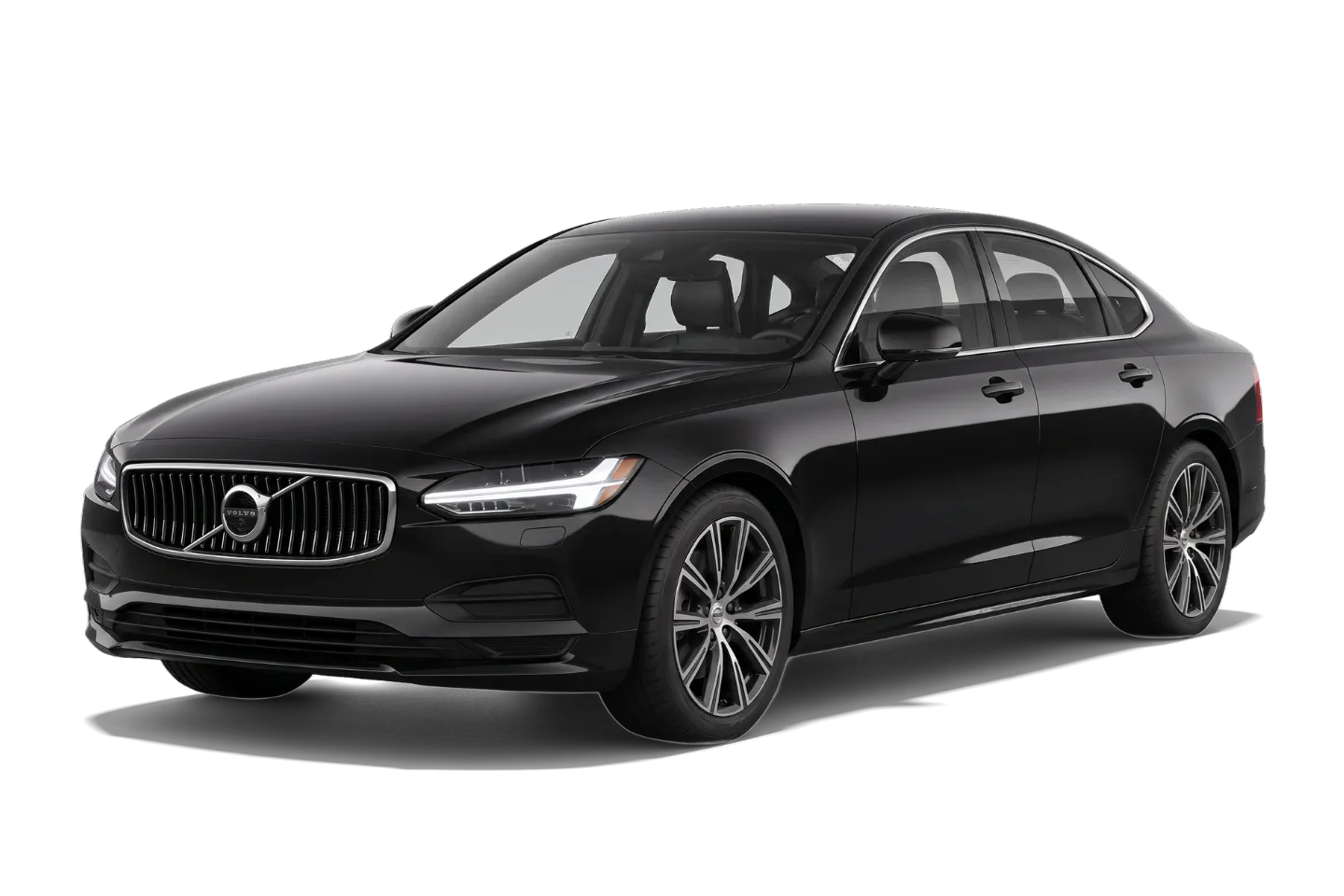
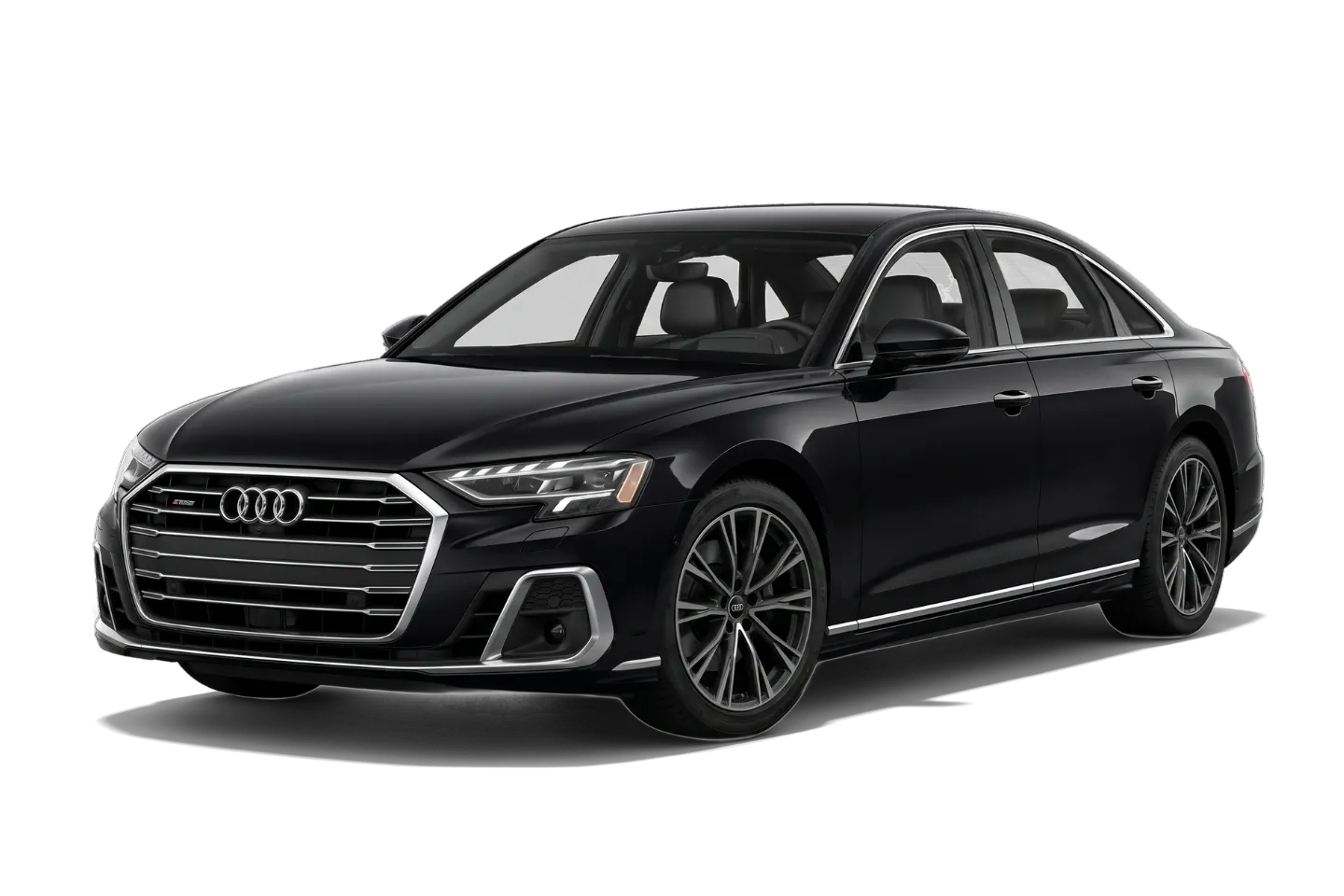
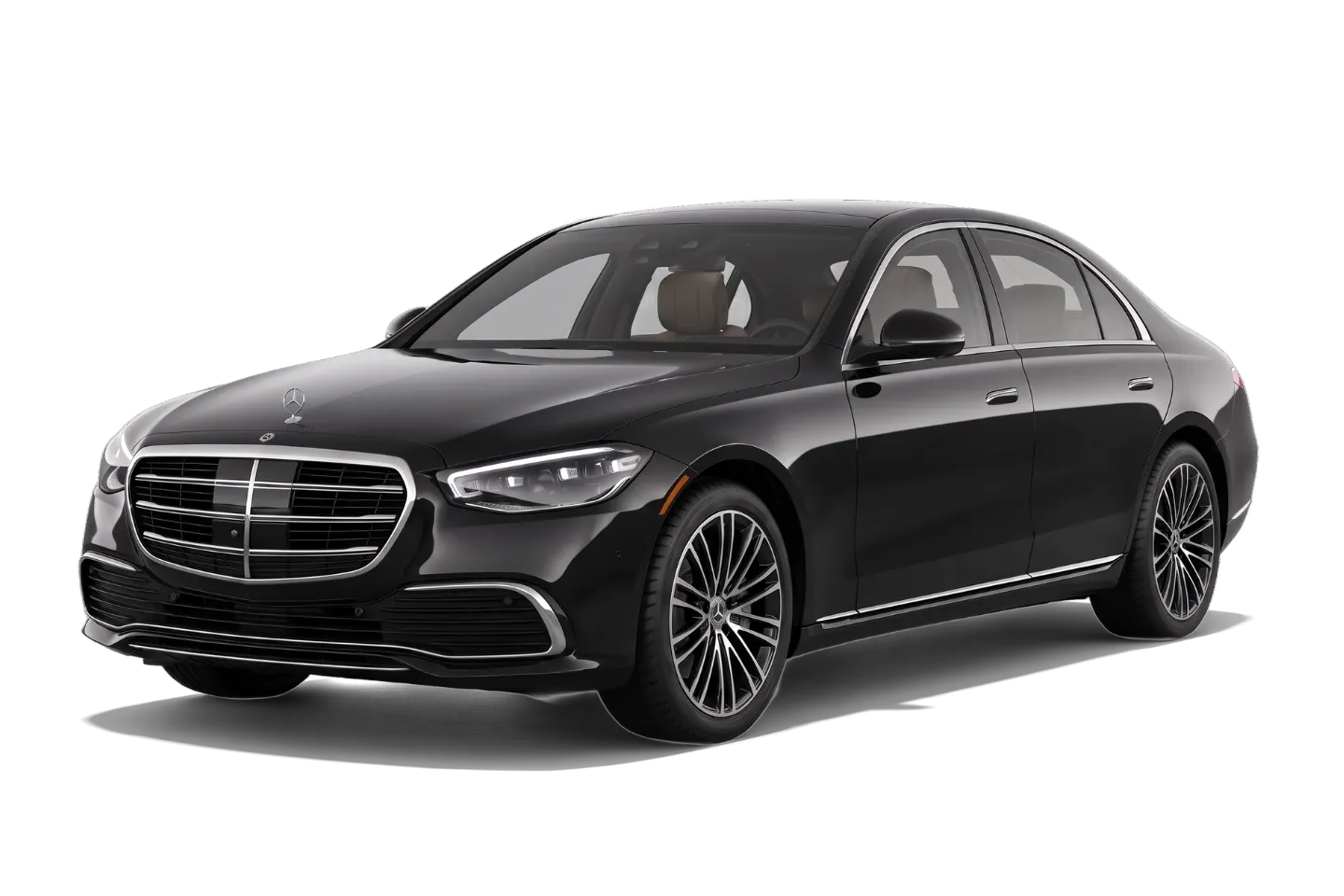
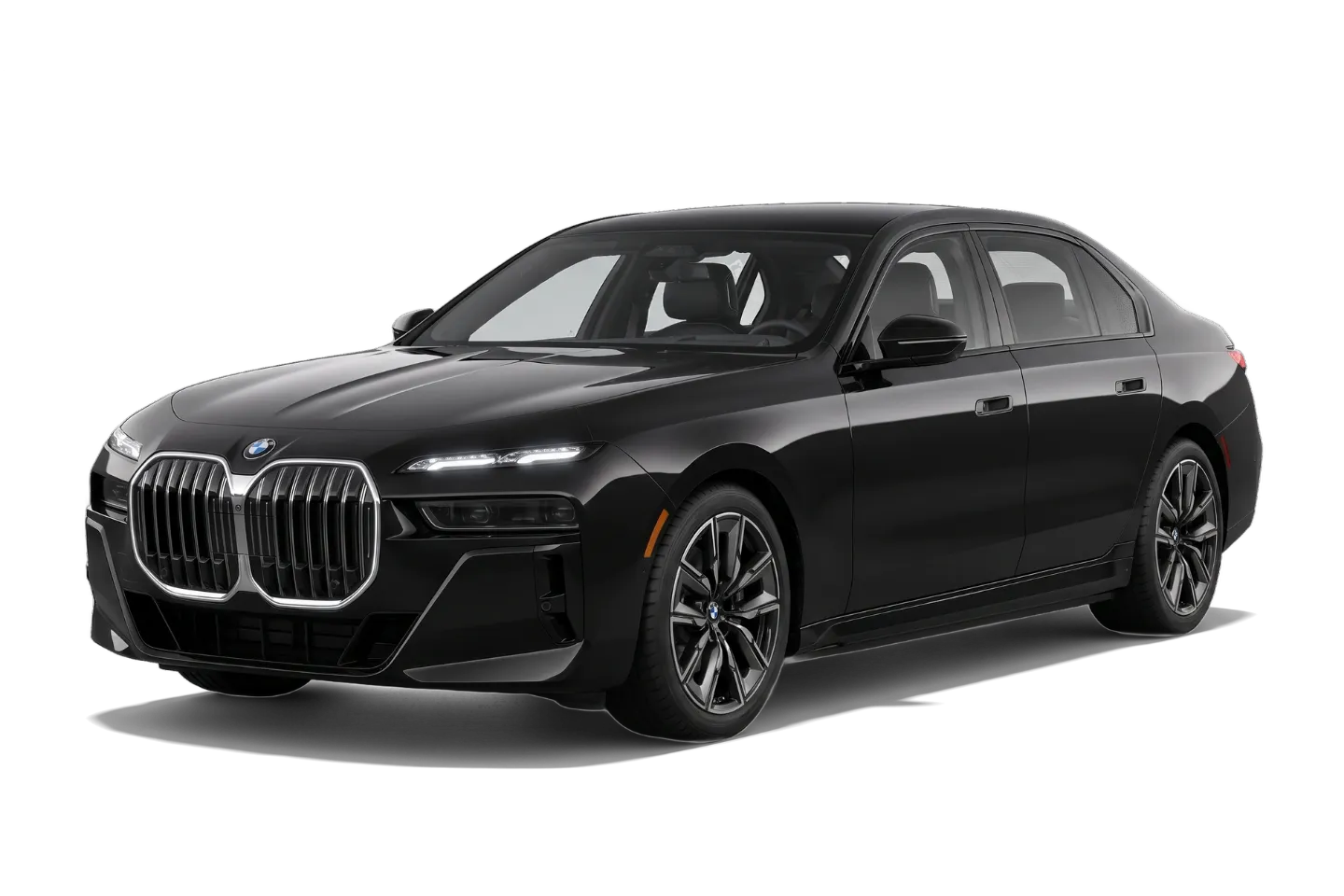
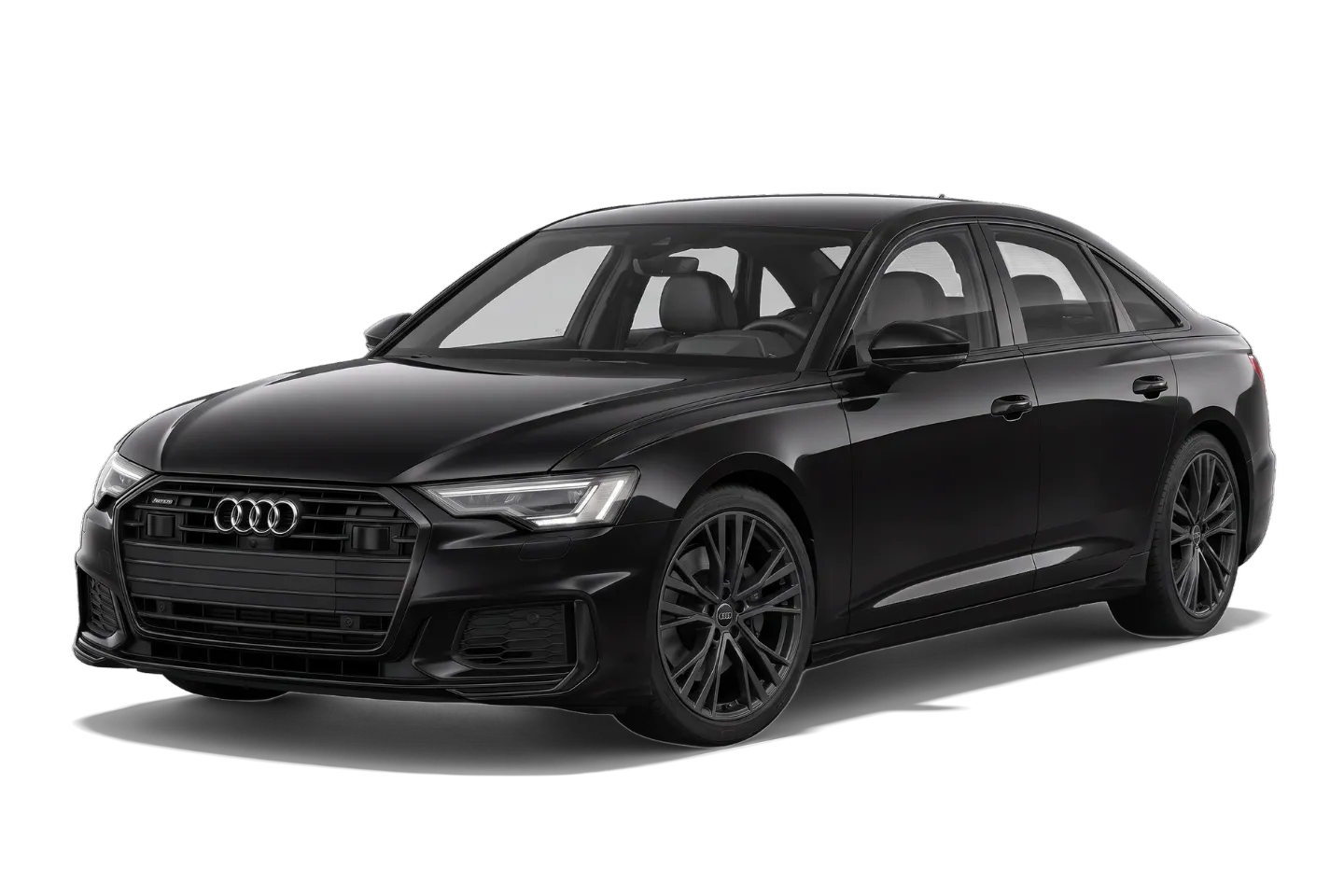
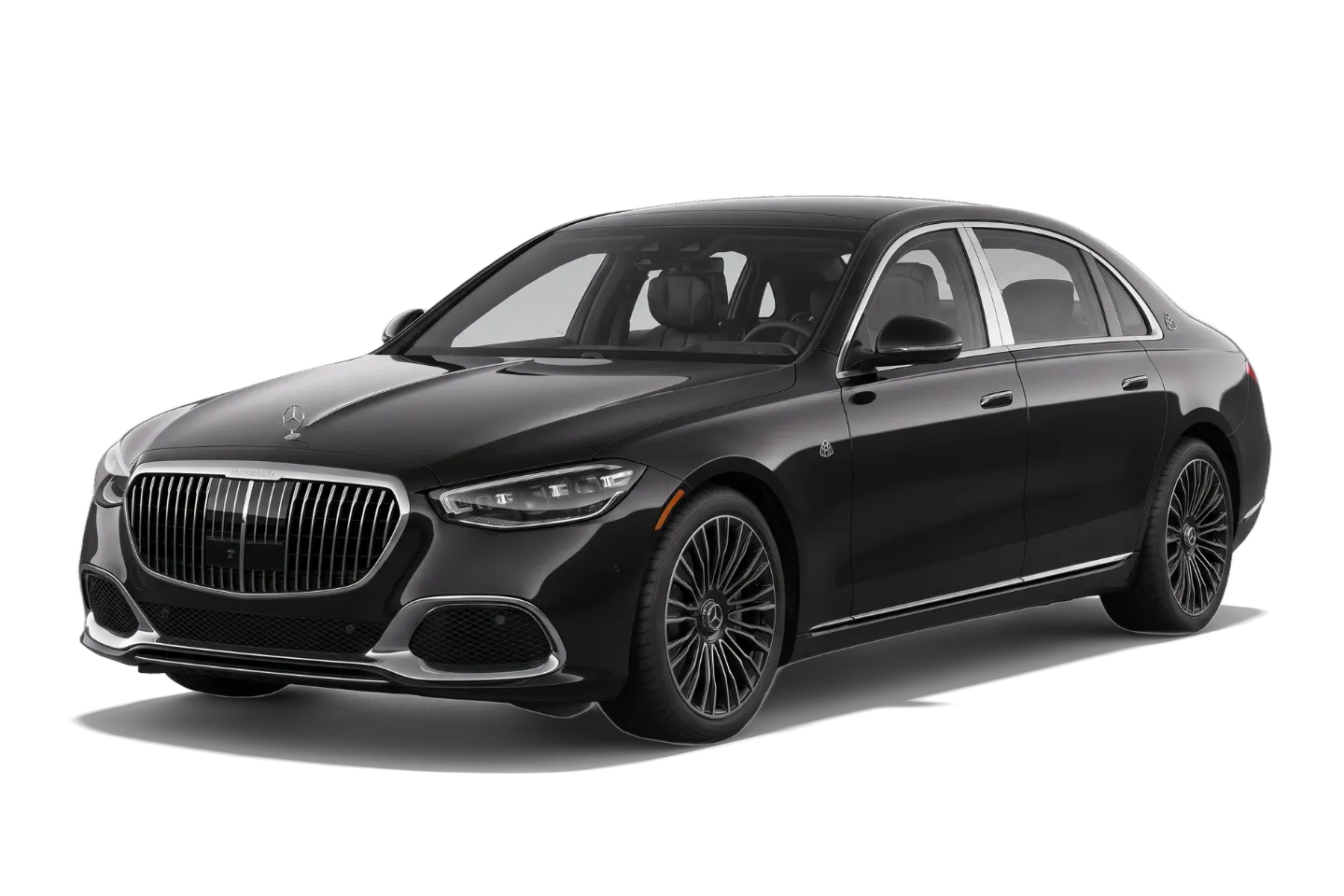
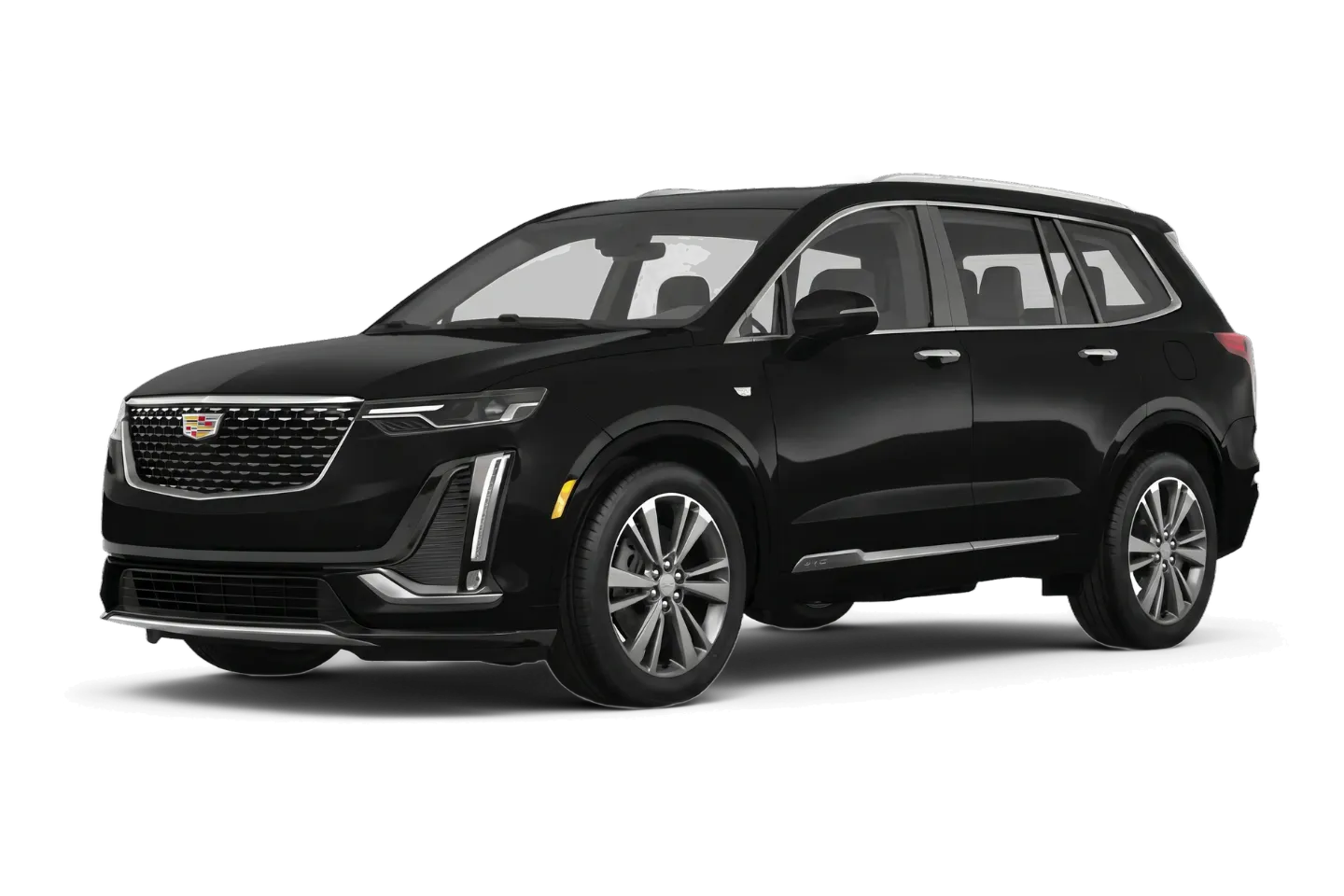
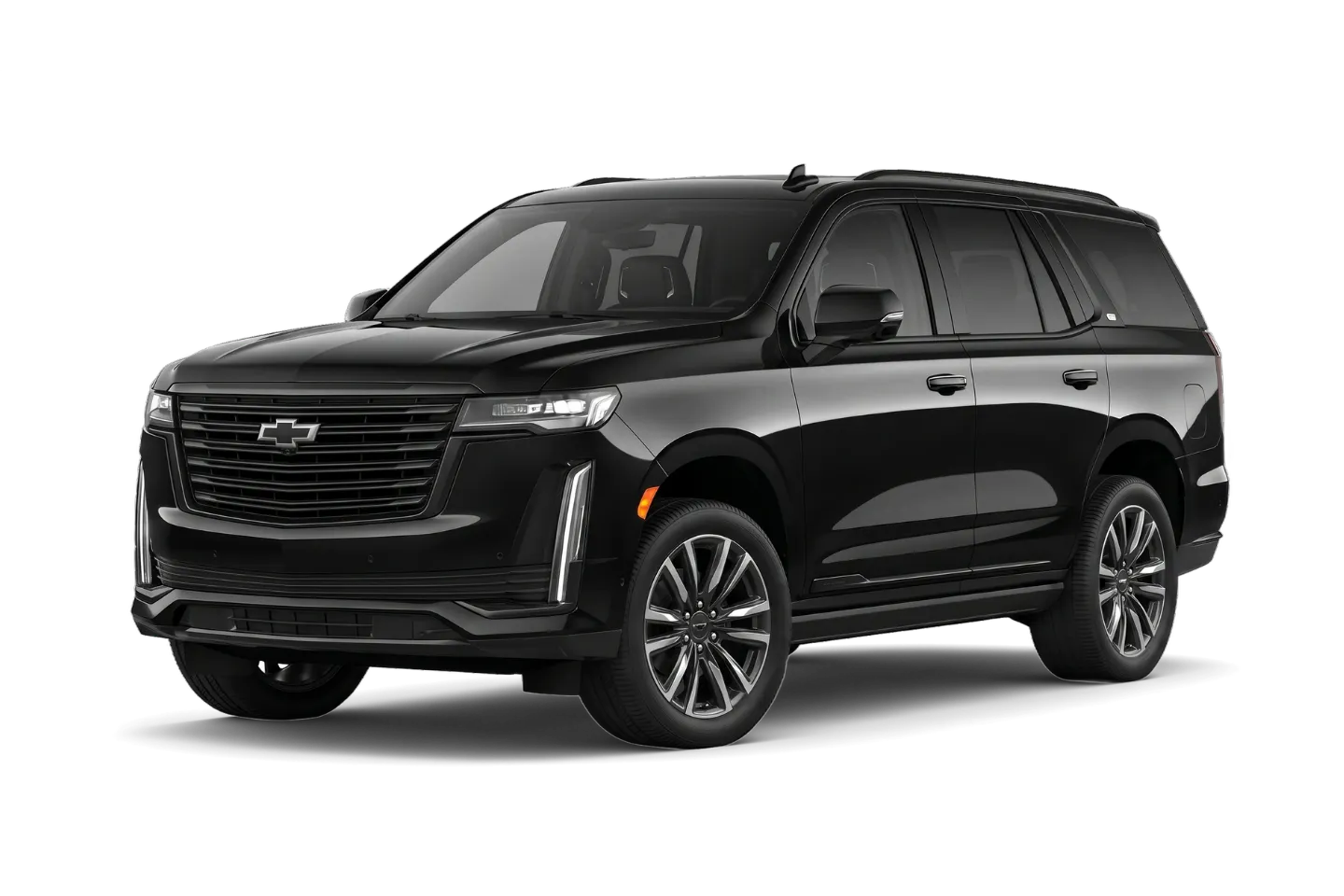
Qualifications vary with the vehicle. At Legendary Limousine, the fleet spans:
- Executive sedan: up to 3 passengers.
- Luxury SUV: up to 6 passengers.
- Sprinter van: 10 to 14 passengers in standard layouts.
- Stretch limousine: 6 to 10 passengers.
- Party bus: 20 to 30 passengers.
- Mini charter bus: 24 to 35 passengers.
- Motor coach: up to 56 passengers.
Sedans, SUVs, and standard vans call for the public passenger endorsement. Larger buses call for a commercial license with a passenger endorsement as well. Stretch limousines and long vans demand extra skill in turning, reversing, and judging clearances.
What Does a Chauffeur's Working Day Look Like?
The visible part of the job is the drive. A good deal happens around it. A typical day might begin at 4 a.m. with a vehicle inspection: tires, lights, fluids, and a spotless interior. The chauffeur reviews the assignments, checks flight statuses, and studies the routes. The first client is an executive heading from Westport to LaGuardia, collected ten minutes early. After the drop-off, the car is tidied and refueled. Late morning brings a pickup at Bradley for a visiting consultant, with a name sign at baggage claim and a ride to a Hartford hotel. The afternoon is an hourly booking, three stops with waiting time between them. Throughout, the chauffeur stays in contact with dispatch, logs times accurately, and adjusts to changes without passing any stress to the passenger. The day ends with the vehicle cleaned and ready for the next shift.
Which Myths Surround Chauffeur Qualifications?
- "Anyone with a license can do it": driving passengers for hire in Connecticut requires an endorsement and a background check.
- "A nice car means a qualified driver": the vehicle says nothing about the person or the company's authority.
- "App approval is the same thing": platform screening and state livery credentials are separate systems.
- "Experience is all that counts": a long history matters, and current records, insurance, and permits matter just as much.
- "Bus drivers and car chauffeurs hold the same license": large passenger vehicles require a commercial license with a passenger endorsement.
How Can Riders Confirm a Chauffeur Is Qualified?
You do not need to inspect a license at the curb. A few questions to the company before you book will tell you what you need to know.
- Do all of your chauffeurs hold a Connecticut public passenger endorsement, or the equivalent credential from their licensing state?
- How do you review driving records, and how often?
- Do you carry out drug and alcohol testing?
- What training do new chauffeurs receive?
- How long has the average chauffeur been with you?
- Is the company permitted for livery service, and can you send a certificate of insurance?
- Will I receive the chauffeur's name and number before the ride?
Confident, specific answers are what you are listening for. On the day, small signs confirm the rest: an early arrival, a clean vehicle, a greeting by name, and a smooth, unhurried drive.
What Should You Expect from a Qualified Chauffeur on the Day?
Before Pickup
- A message with the chauffeur's name, phone number, and vehicle.
- Arrival ten to fifteen minutes early.
- A vehicle that is clean inside and out, with water on board.
During the Ride
- Doors opened and luggage handled.
- Confirmation of the destination and any stops.
- A route chosen for the conditions, with traffic monitored throughout.
- Quiet, steady driving and a cabin set to your preferred temperature.
- Conversation only if you invite it.
After the Ride
- Help to the door with bags.
- A check of the cabin for forgotten items.
- An accurate receipt from the company.
Does a Qualified Chauffeur Cost Extra?
Proper licensing, insurance, and training are built into normal market rates. Typical 2026 hourly figures are:
- Sedan: $85 to $120.
- SUV: $110 to $160.
- Sprinter van: $140 to $220.
- Stretch limousine: $150 to $275.
- Mini charter bus: $160 to $300.
- Motor coach: $180 to $340.
- Party bus: $200 to $400.
Flat transfers of roughly 15 to 20 miles typically cost $85 to $150 in a sedan and $110 to $190 in an SUV. Hourly bookings usually carry a minimum of three or four hours. A quote far beneath these ranges is often a sign that licensing or insurance has been skipped. Our guide to the cost of hiring a chauffeur in Connecticut for a full day shows how the hours add up.
How Does Someone Become a Chauffeur in Connecticut?
For readers considering the career, the path is clear.
- Step 1: Hold a valid license and build a clean driving record.
- Step 2: Apply to the Department of Motor Vehicles for a public passenger endorsement, including the fingerprint background check and medical certificate.
- Step 3: Learn the region: highways, airports, hotels, venues, and typical traffic patterns.
- Step 4: Apply to licensed livery companies and complete their screening and training.
- Step 5: Start with airport and local work, then take on events, executive clients, and larger vehicles.
- Step 6: Add a commercial license with a passenger endorsement if you wish to drive buses.
What Is the Work Like?
Hours are irregular. Early airport runs, late evening events, weekends, and holidays are the busiest times. The work suits people who enjoy driving, take pride in service, and stay composed when schedules change. Income usually combines hourly pay with gratuities, and experienced chauffeurs who earn repeat requests from clients tend to do best. Many chauffeurs describe the appeal in simple terms: every day is different, the cars are a pleasure to drive, and a well handled trip earns real thanks. The demands are equally plain, with long periods of waiting, strict punctuality, and constant attention to detail.
Which Skills Help a New Chauffeur Stand Out?
- Familiarity with flight tracking and dispatch apps.
- A second language.
- Experience in hospitality, security, or the military.
- Knowledge of New York City routes and airports, which many Connecticut trips include.
- Confidence with large vehicles.
Where Do Qualified Chauffeurs Make the Biggest Difference?
- Airport transfers: tracking flights and knowing each terminal. See our guide on booking a chauffeur from Bradley International Airport to a hotel in Hartford.
- Corporate travel: punctuality and discretion with executives and clients.
- Weddings: calm timing on a day that allows no second attempt.
- Proms: reassurance for parents that a screened professional is driving.
- Older travelers: patience and a helping hand at the door.
- Winter weather: experience on snow and ice.
Short rides are available through our car service in Connecticut, and event vehicles through our limo service in Connecticut.
Why Do Connecticut Riders Trust Our Chauffeurs?
Since 1997, Legendary Limousine has built its reputation on the people behind the wheel. Every driver is background checked, professionally trained, and familiar with local routes. Dispatch is available 24 hours a day, quotes are written and itemized, and airport reservations include flight tracking with one hour of complimentary waiting on pickups.
- Chauffeurs matched to the vehicle and the occasion.
- Driver details sent before every ride.
- Service across Connecticut, including Greenwich, Stamford, Norwalk, Bridgeport, New Haven, Hartford, Waterbury, Danbury, and Mystic.
- Clear answers to every question in this guide.
Conclusion: What Makes a Chauffeur Qualified in Connecticut?
A chauffeur in Connecticut needs a valid license with a public passenger endorsement, which involves a fingerprint based background check, a review of the driving record, and a medical certificate. Larger vehicles require a commercial license with a passenger endorsement. Good companies add record reviews, testing, training, and high standards of service, and they operate under proper livery authority with commercial insurance. Riders can confirm all of it with a few direct questions.
To ride with qualified professionals, contact Legendary Limousine at +1 (718) 221-4771 at any hour or request a quote online. Tell us your plans, and our team will assign the right chauffeur and vehicle.

Susan D. Gray
- Writer Translator & Editor
- Legendary Limousine
Susan D. Gray is the Senior Transportation & Travel Editor at Legendary Limousine, specializing in luxury ground transportation, airport transfers, corporate travel, and chauffeur services across the United States. He…