Short hop downtown? Take the cab. Early flight, big group, or a day of meetings? Reserve a driver. This comparison weighs taxis and chauffeurs in California on cost, reliability, comfort, and service.
It depends on the trip. A taxi is the better choice for a short, unplanned ride across a city center. A chauffeur is the better choice when the journey is planned, timing matters, the group or the luggage is large, or the day has several stops. Travelers weighing a cab against chauffeur service in California are really comparing two different products: an on demand ride priced by a meter, and a reserved service with a fixed price, a vetted driver, and a car that waits for you. At Legendary Limousine, we have provided chauffeured travel since 1997, and this guide compares the two on price, reliability, comfort, safety, and convenience, with 2026 figures.
The honest answer is that each wins in its own situation, and knowing which is which saves money and stress.
What Is the Difference Between a Taxi and a Chauffeur?
A Taxi
A taxi is licensed by a city or county, carries a meter, and may be hailed on the street, found at a stand, or summoned by phone or app. The fare is calculated from distance and time under rates set by the local authority, sometimes with flat fares for airport routes. The driver takes whichever passenger comes next.
A Chauffeur
A chauffeur works by reservation for a company licensed by the state. The price is agreed in advance, either as a flat fare for a transfer or as an hourly rate. The driver knows your name, your flight, and your plan before the trip begins, and the vehicle is a late model sedan, SUV, or van maintained by the company.
And App Based Rides?
Ride apps sit between the two. They are booked on demand like a taxi, priced in advance like a car service, and driven by individuals in their own cars. Their prices rise and fall with demand. Much of what follows about taxis applies to them, with the added variable of surge pricing.
How Do the Prices Compare?
Chauffeur Rates in 2026
- Luxury sedan, up to 3 passengers: $85 to $120 per hour.
- Luxury SUV, up to 6 passengers: $110 to $160 per hour.
- Sprinter van, 10 to 14 passengers: $140 to $220 per hour.
- Stretch limousine: $150 to $275 per hour. Capacity depends on the model, and sedan based stretches seat 6 to 10.
- Flat transfer of 15 to 20 miles: $85 to $150 in a sedan, $110 to $190 in an SUV, and $160 to $270 in a Sprinter.
Taxi Fares
Taxi rates are set locally and differ between Los Angeles, San Francisco, San Diego, and smaller cities. As a broad guide, a metered ride of 15 to 20 miles in light traffic often falls in the range of $55 to $90 before the tip, and it climbs when traffic is slow because the meter also counts time. Check the current rates published by the city you are visiting.
What the Comparison Shows
- One or two passengers, short trip: the taxi is cheaper.
- One or two passengers, airport transfer: the taxi is usually cheaper by $20 to $50, and the chauffeur's fare is fixed whatever the traffic.
- Four to six passengers: one SUV with a chauffeur can cost about the same as two taxis.
- Ten or above: a Sprinter costs less than three or four cabs and keeps the group together.
- A day of several stops: hourly chauffeur service is often comparable to a string of separate fares once waiting time is counted, and far more convenient.
These comparisons are estimates. Your route, the hour, and local taxi rates decide the real figures. Our guide to what a chauffeur costs for a full day gives detailed prices.
Which Is More Reliable?
For a planned trip, the chauffeur has the advantage. A reservation assigns a specific car and driver to you, and dispatch tracks your flight and the traffic. That matters at 4:30 a.m., after a midnight landing, in the rain, on New Year's Eve, and in suburbs and rural areas where few cabs circulate. For a spontaneous trip downtown at midday, the taxi has the advantage, since one may be at the curb within a minute.
- Early morning airport runs: chauffeur.
- Arrivals at large airports: either. Taxi lines are usually well supplied, while a chauffeur spares you the queue.
- Arrivals at small airports late at night: chauffeur.
- Short hops in city centers: taxi.
- Events that end when everyone leaves at once: chauffeur.
- Wine country, the coast, and resort towns: chauffeur.
How Do Comfort and Vehicles Compare?
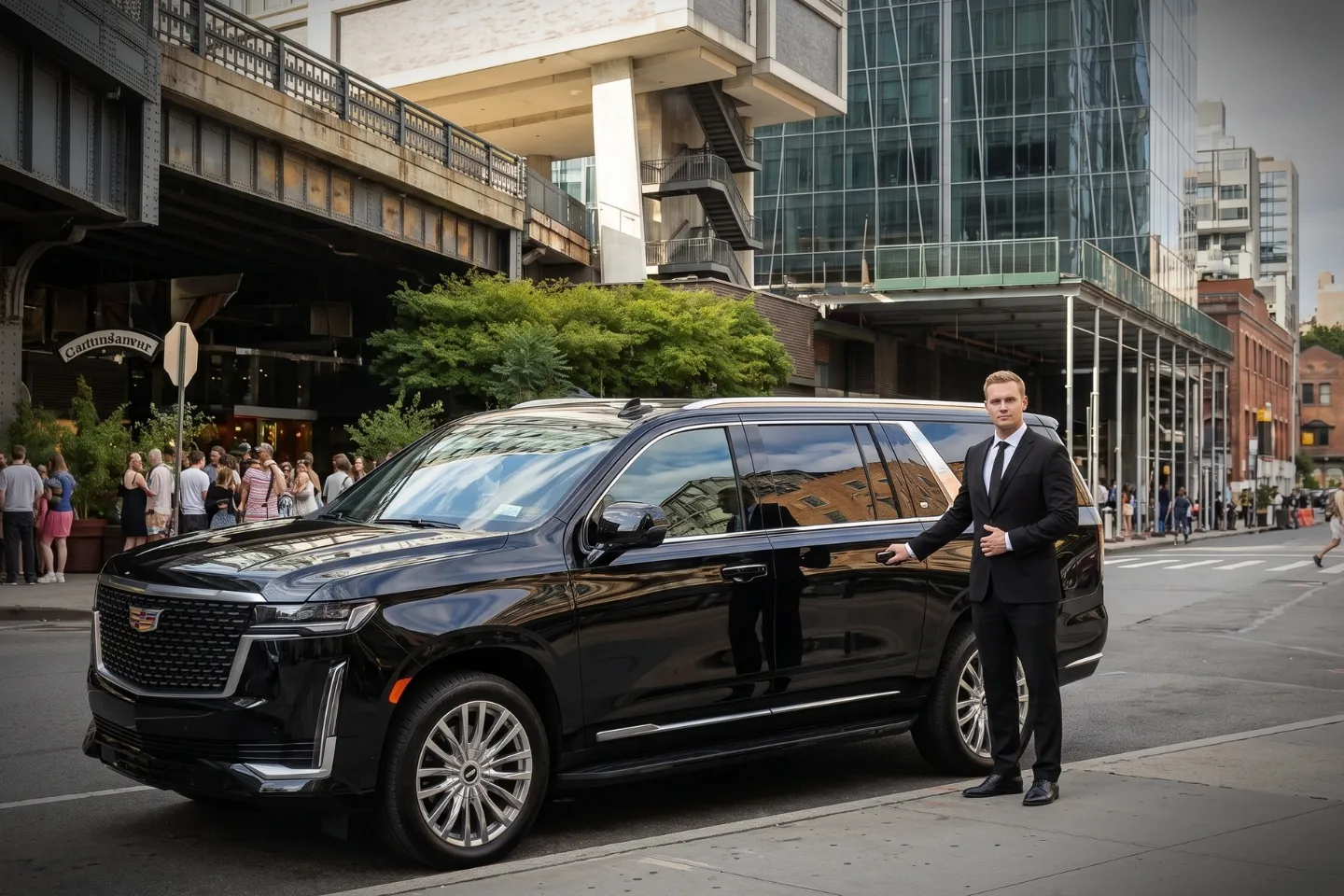
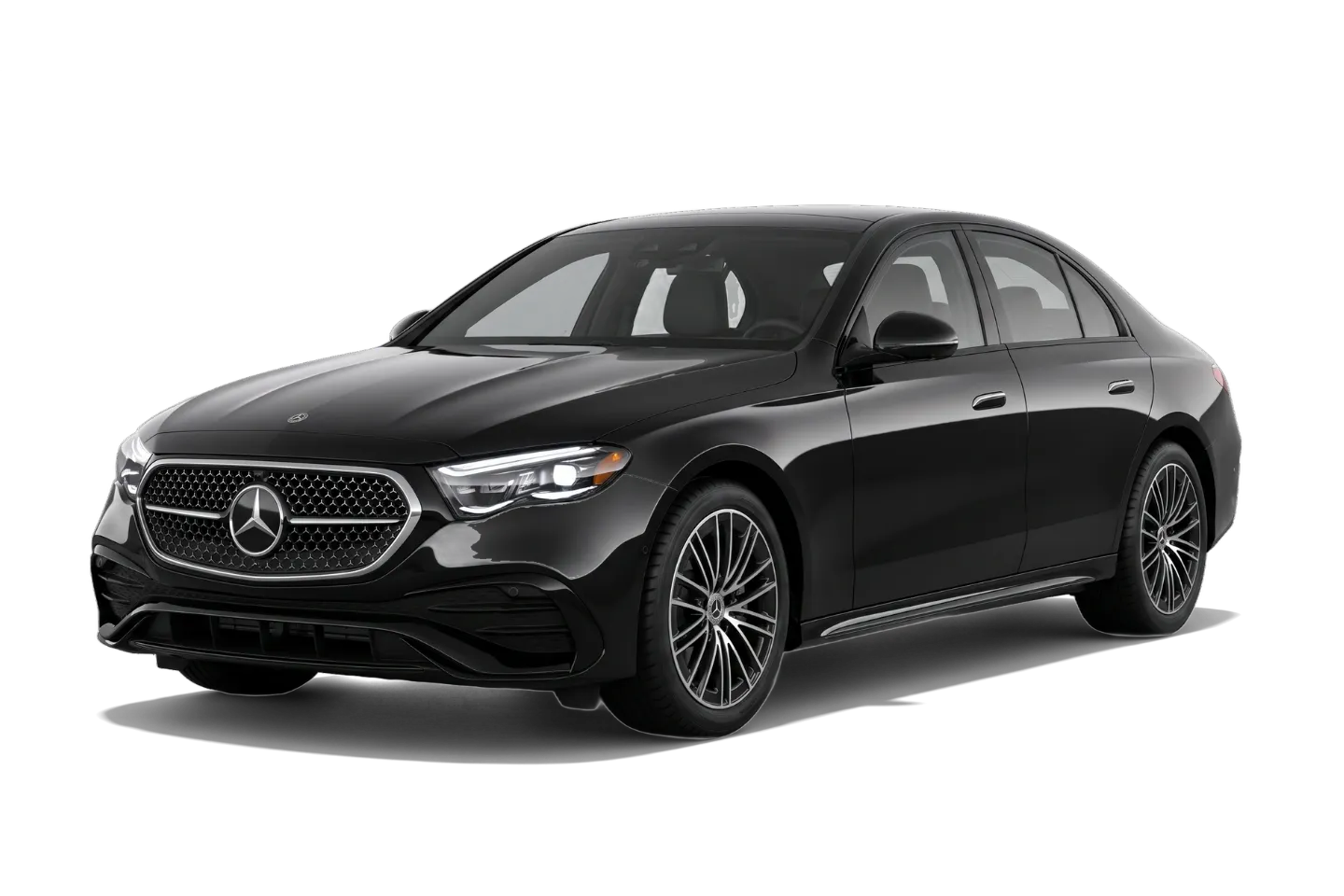
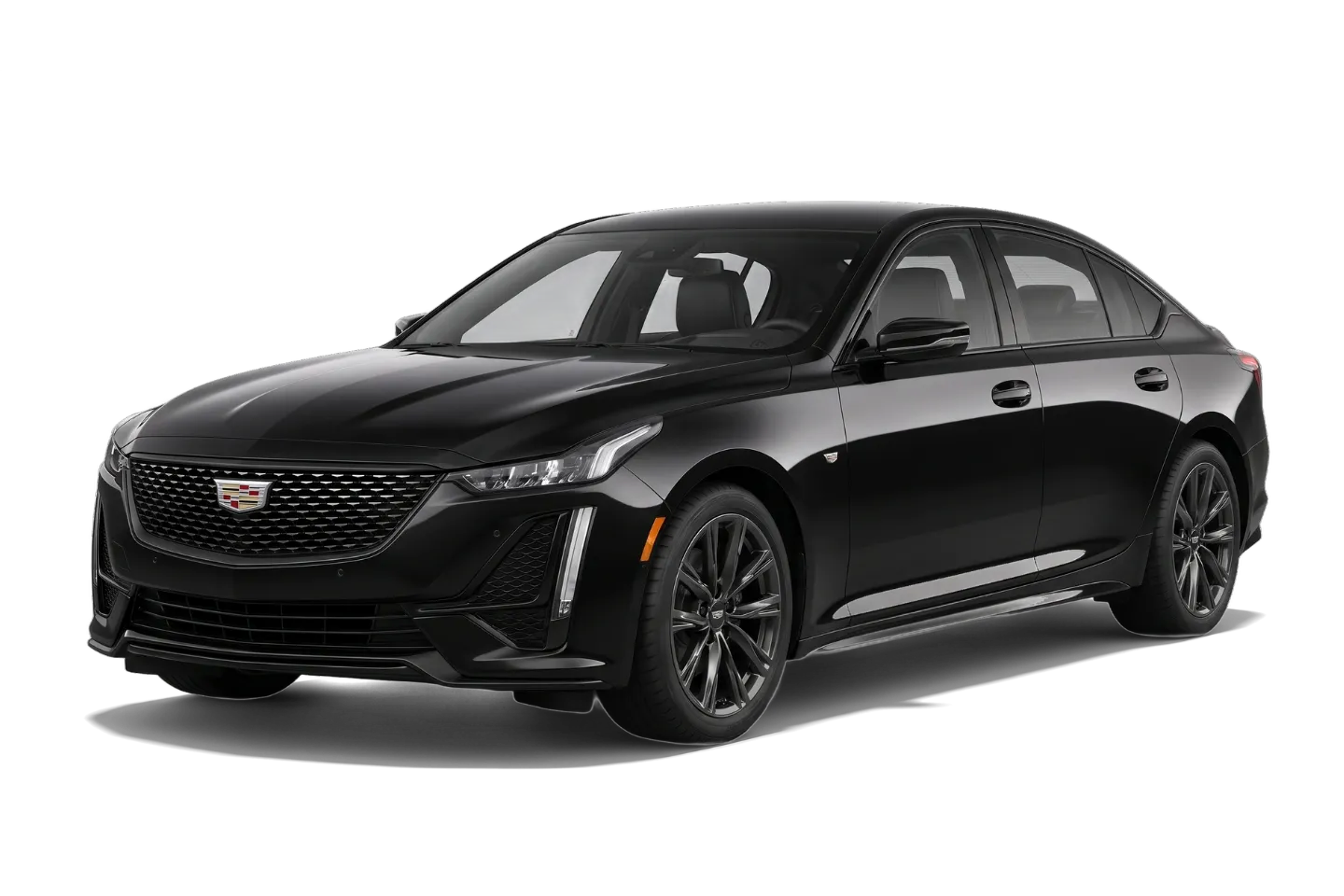
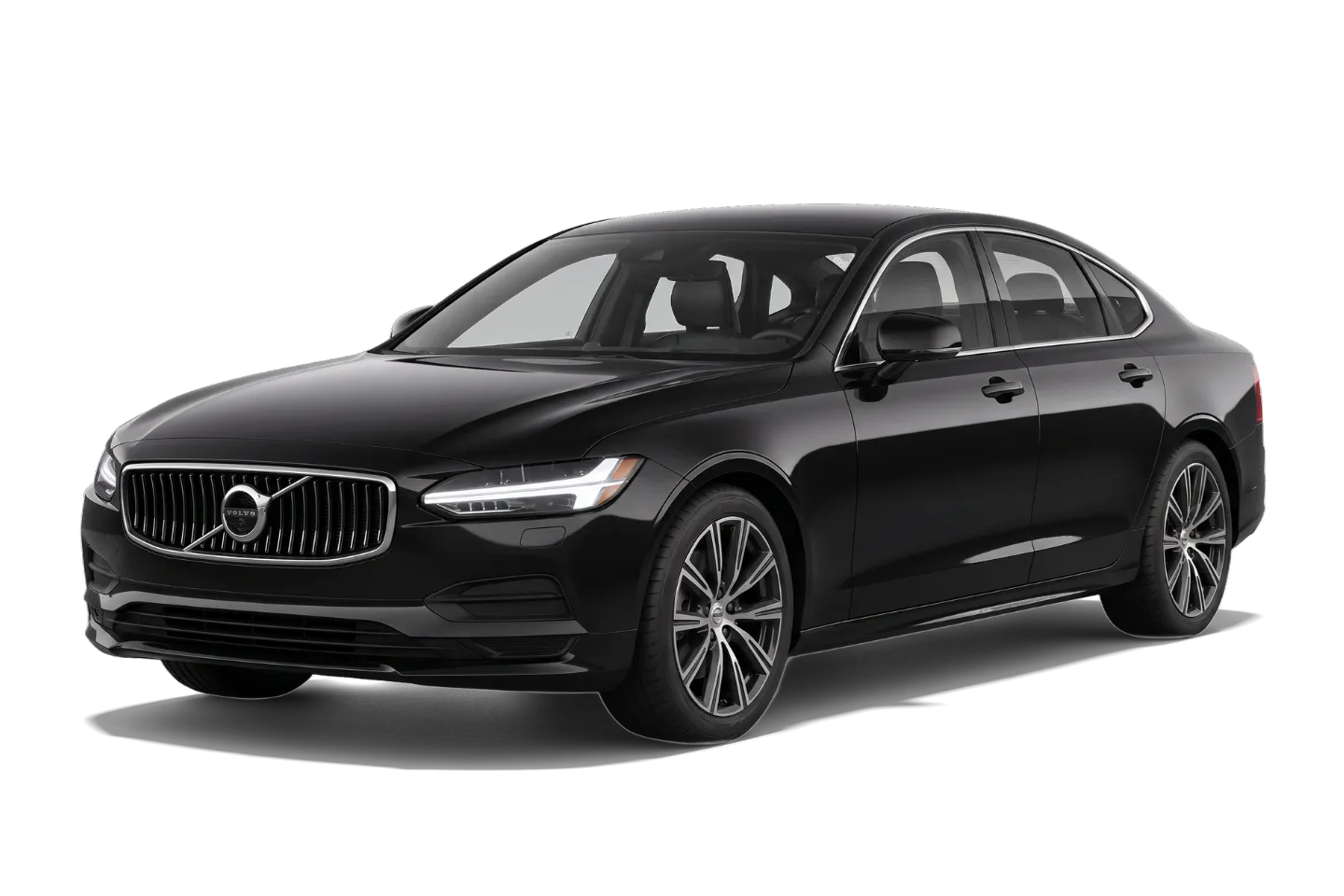
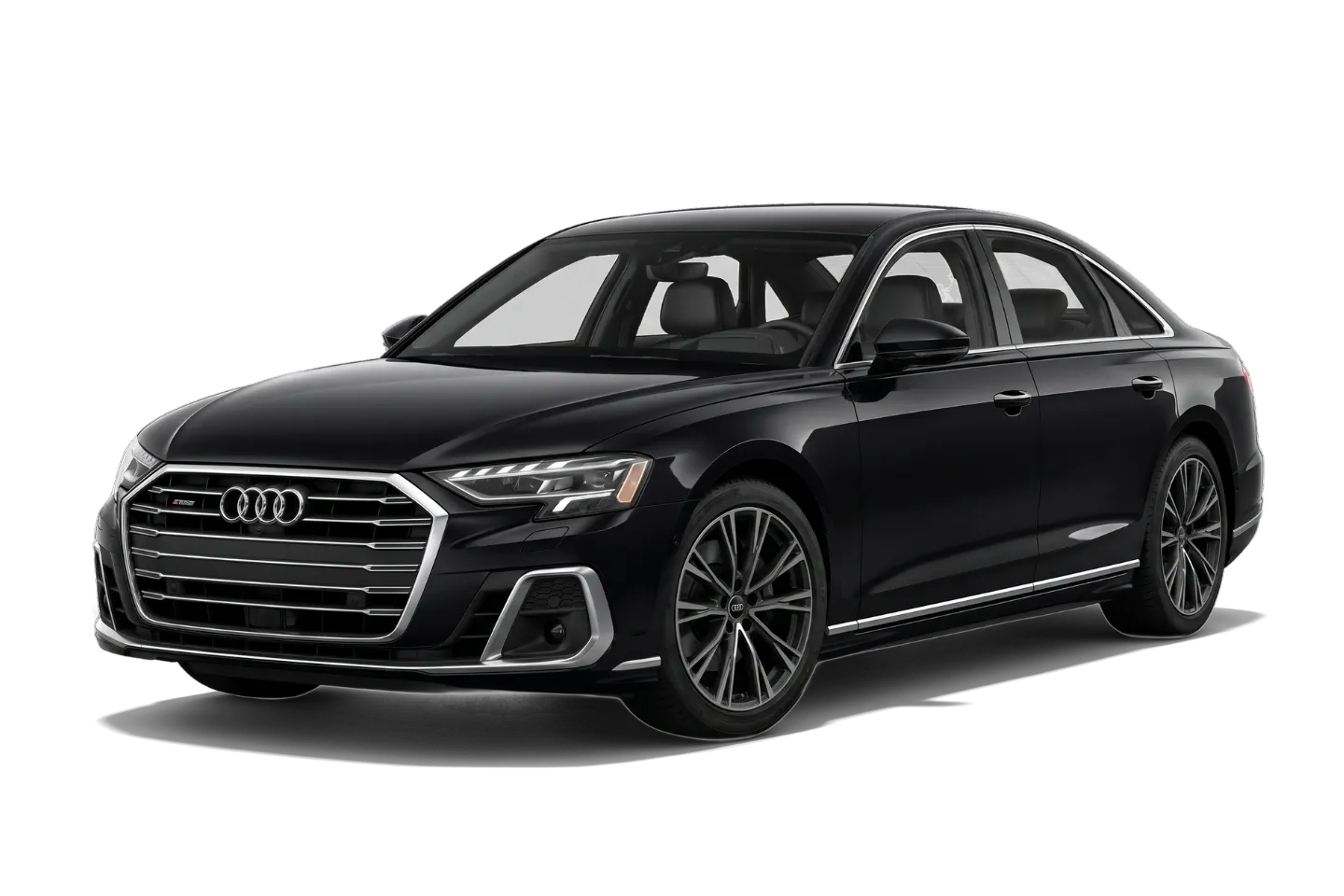
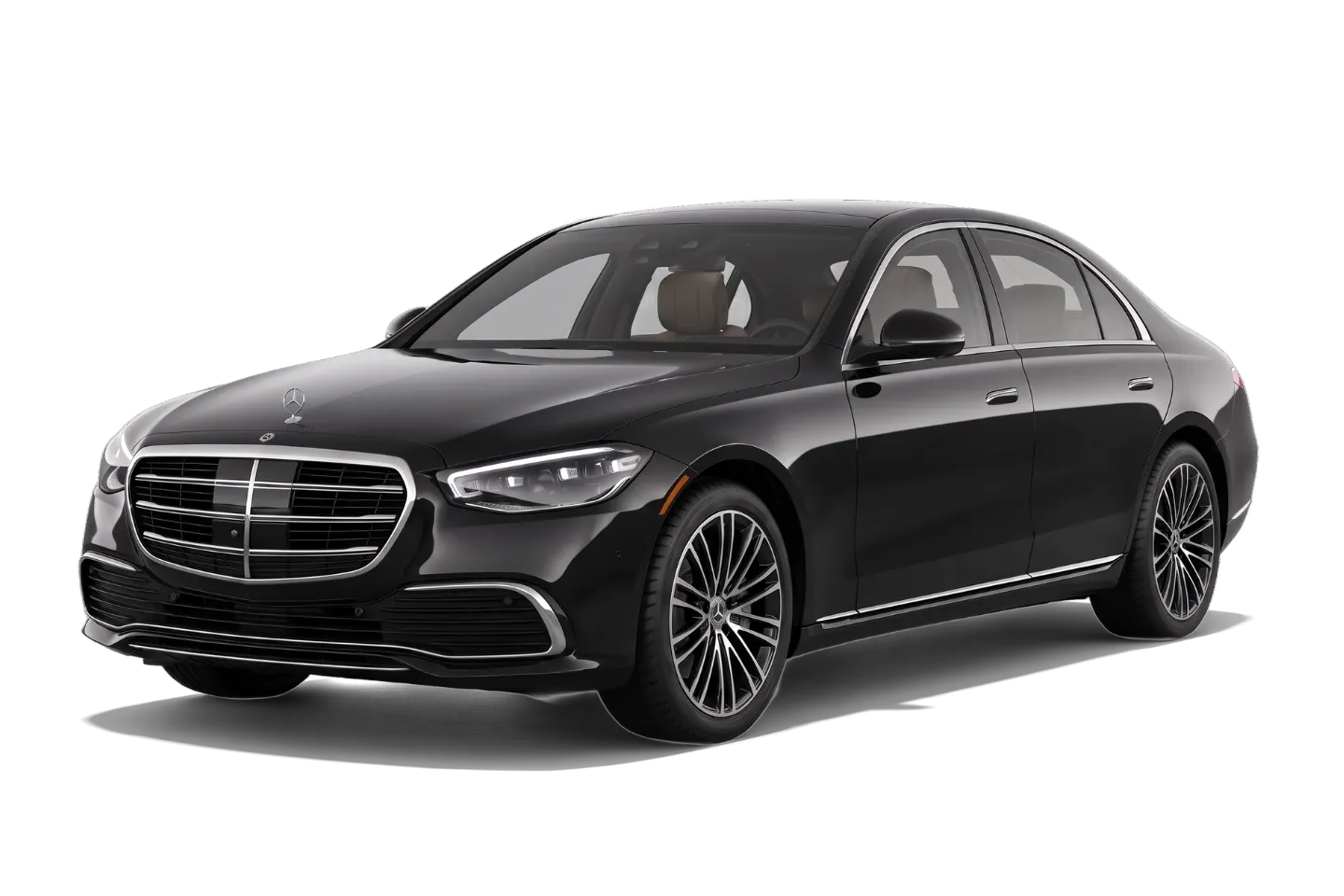
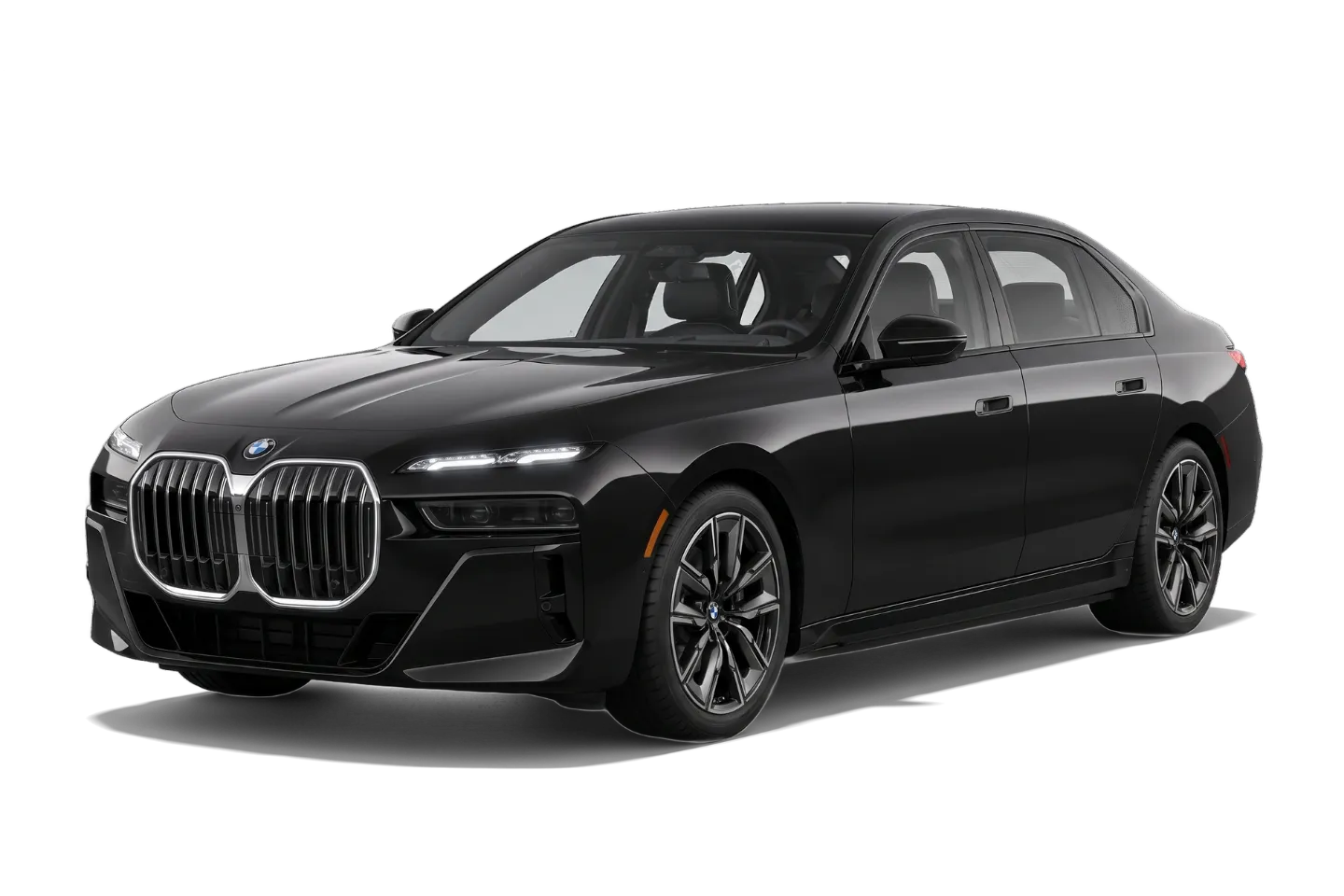
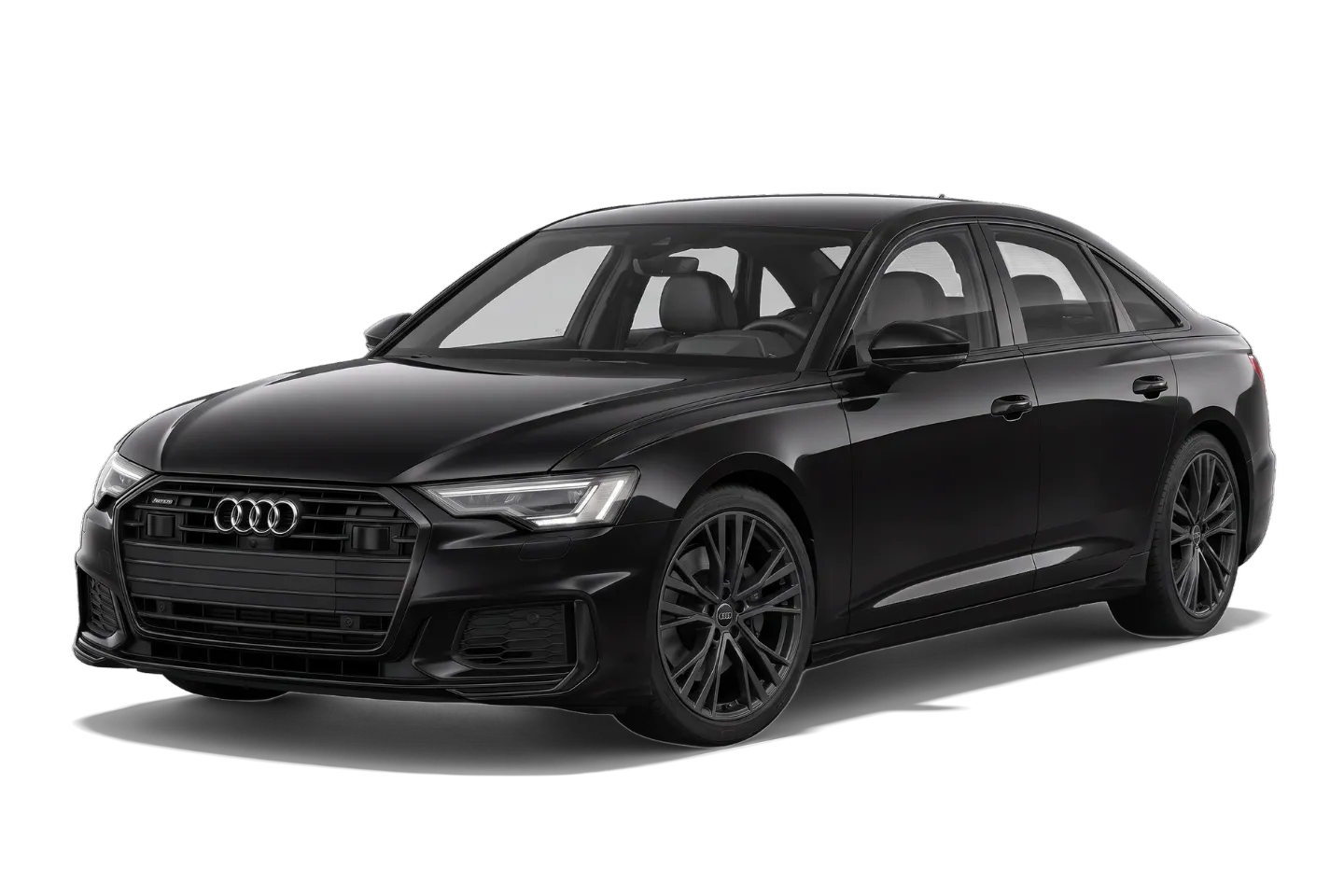
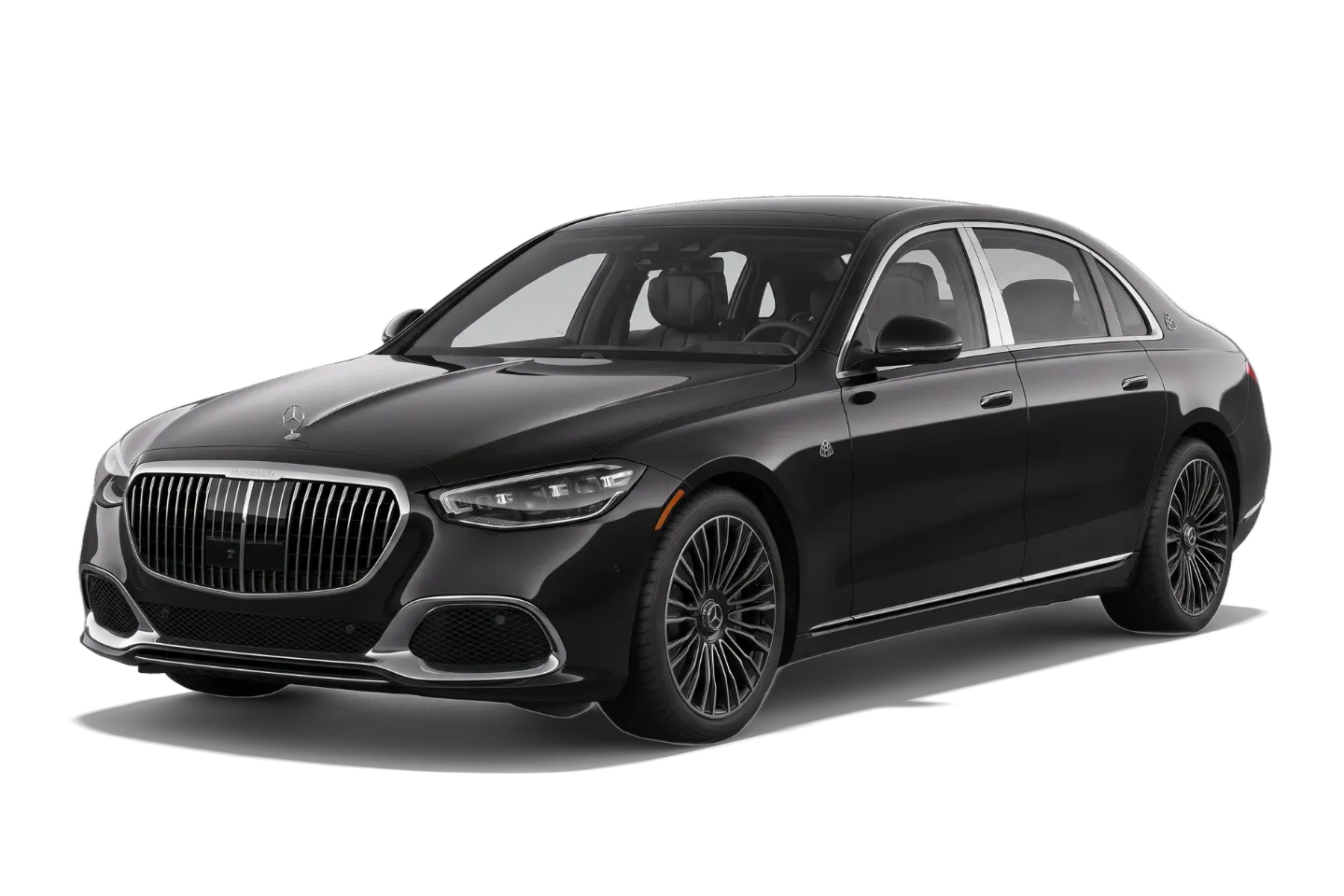
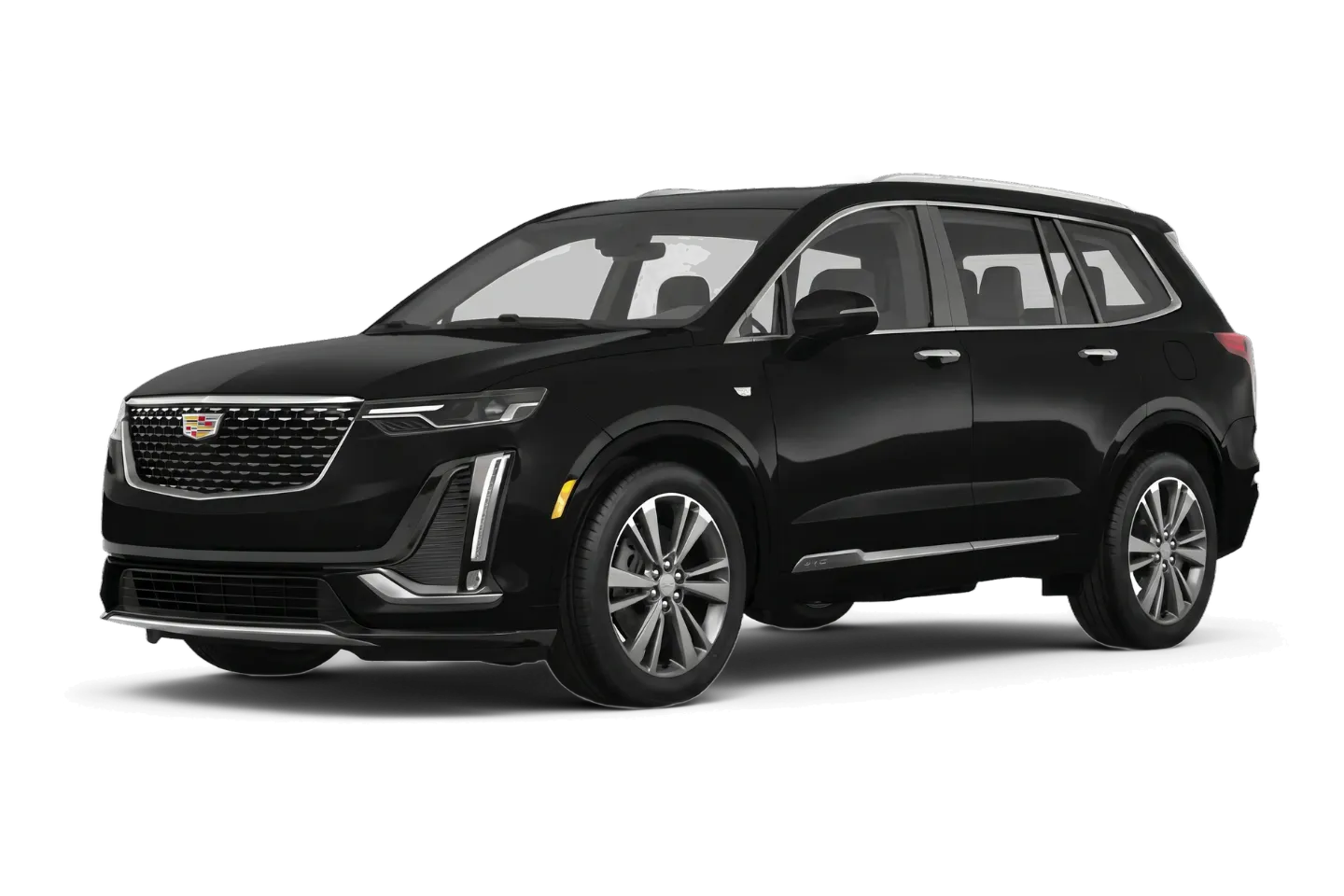
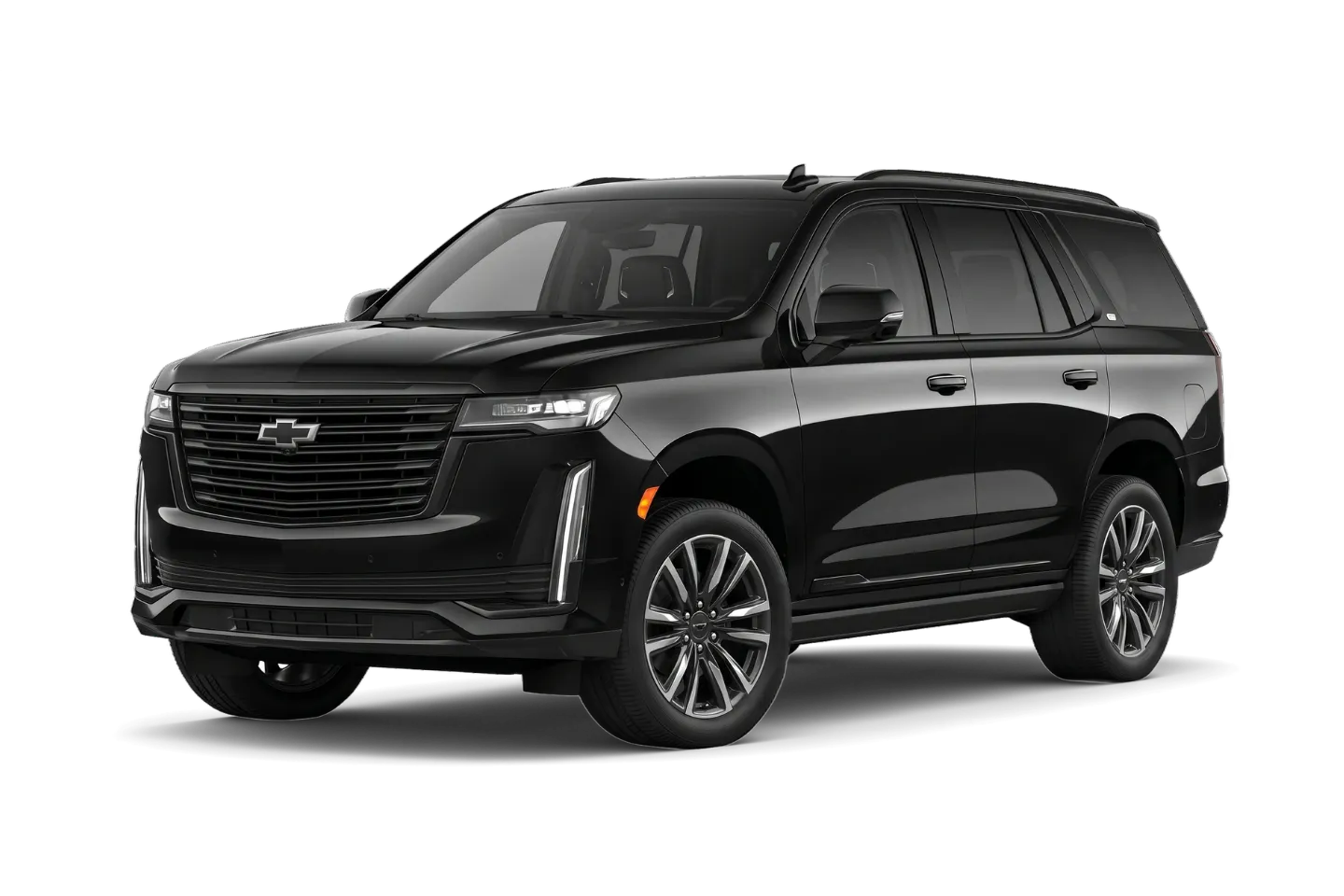
Taxi fleets vary. Some cities run modern hybrids and well kept sedans, and others have older cars with worn interiors. You take the vehicle that arrives. With a chauffeur, you choose the class: an executive sedan such as the Mercedes-Benz E-Class or S-Class, an SUV such as the Cadillac Escalade, or a Sprinter van. Leather seats, rear climate controls, chargers, bottled water, and a quiet cabin are standard. For a ten minute ride, the difference is minor. For an hour on Interstate 405 or a day of meetings, it is considerable. You can view the vehicle classes on our fleet page.
How Are the Two Regulated in California?
Both are regulated, by different bodies.
- Taxis are permitted by cities and counties, which set fares, vehicle standards, and driver requirements. Standards therefore differ from place to place.
- Chauffeured car services are licensed statewide by the Public Utilities Commission as charter party carriers. They must hold commercial insurance, and their service must be prearranged.
The commission's passenger carrier FAQ explains the TCP number that licensed carriers display. One practical consequence follows: a chauffeured car cannot legally pick up a street hail. If a driver in a black sedan offers you a ride at the airport without a booking, decline. A licensed taxi from the official stand or a prearranged car are the safe choices.
How Do the Drivers Compare?
Many taxi drivers are experienced professionals with deep knowledge of their city. The role is to drive the route safely and efficiently. A chauffeur's role is broader. Chauffeurs are screened and trained by the employing company, wear a suit, arrive early, open doors, handle luggage, and wait at stops. They know the day's plan and adapt it. Our article on what a chauffeur does describes the job, and our guide to chauffeur qualifications in California lists the standards.
Which Is More Convenient?
Booking
A taxi needs no planning, which is its great strength. A chauffeur needs a reservation, made by phone or online, usually a day or more ahead, though same day bookings are often possible in large cities.
Waiting and Multiple Stops
A taxi can wait with the meter running, though drivers prefer to move on, and each new leg usually means a new cab. A chauffeur on hourly service stays with you all day, and your belongings stay in the car.
Luggage and Groups
A standard cab carries up to four passengers and two or three suitcases. Larger parties split up. A chauffeured SUV takes six, and a Sprinter takes 10 to 14 with bags.
Children
California requires car seats or boosters for young children. Taxis rarely carry them. A car service can fit one when you request it in advance.
Accessibility
Here taxis often do well. Several California cities require a share of the taxi fleet to be wheelchair accessible, with ramps and securement. Chauffeured companies vary, so a passenger who needs to remain in a wheelchair should ask specifically about an accessible vehicle.
Payment and Receipts
Both accept cards. A car service charges the card on file and emails an itemized receipt, which simplifies expense reports. Corporate accounts with monthly invoicing are common.
How Do Privacy and Working Conditions Compare?
A chauffeured car is a private space. The driver does not make conversation unless you invite it, calls are treated as confidential, and many corporate clients have confidentiality agreements in place. The cabin is quiet enough for a video call. In a taxi, privacy depends on the driver and the vehicle, and a partition or a radio may intrude.
Which Is Better at the Airport?
- Taxi: walk to the stand and take the next cab. It is simple when the line is short. There is no flight tracking and no help from baggage claim.
- Chauffeur: the driver follows your flight, waits through delays, and meets you at the designated point or inside with a sign. The fare is fixed before you fly.
At large airports, taxi and app pickups are sometimes located away from the terminal curb, which adds a walk or a shuttle. A prearranged car follows the rules for licensed limousines. For a first visit, a late arrival, a family, or a business trip, the chauffeur is the calmer option. Our California airport chauffeur service page explains how pickups work.
Does the Answer Change by Region?
- San Francisco: a compact city with plentiful cabs, so taxis suit most short trips. Chauffeurs suit airport runs, Silicon Valley days, and wine country.
- Los Angeles: distances are long and cabs are concentrated at the airport, hotels, and a few districts. Planned travel favors a chauffeur.
- San Diego: taxis work well downtown and at the airport, which is close to the center. Chauffeurs suit North County, groups, and events.
- Sacramento, the Central Valley, and smaller cities: taxi supply is thinner, so reservations matter for early or late trips.
- Napa, Sonoma, the Central Coast, Palm Springs, and Lake Tahoe: few cabs operate, and distances between stops are large. A reserved car is the dependable option.
What About Safety Late at Night?
Licensed taxis from official stands and prearranged cars from licensed companies are both sound choices. The risk lies with unlicensed drivers who solicit at airports, stations, and nightlife districts. With a chauffeur, you receive the driver's name, the vehicle description, and often the plate number before the pickup, and the company knows where the car is throughout the trip. For someone traveling alone after midnight, or for parents arranging a ride home for a teenager, that record offers reassurance. Whichever you choose, confirm the identity of the vehicle before you get in, and wear a seat belt.
Which Should You Choose in Common Situations?
A Ten Minute Ride Across Downtown San Francisco
Take the taxi. It is immediate and inexpensive, and a chauffeur's hourly minimum makes no sense for a single short hop.
A 5:00 a.m. Ride from Pasadena to LAX
Book the chauffeur. A guaranteed car at that hour is worth the difference, and the fixed fare removes any worry about the meter.
A Family of Five Landing in San Diego with Six Bags
Book the chauffeur with an SUV and a child seat. One vehicle replaces two cabs.
A Day of Six Meetings Across Los Angeles
Book the chauffeur by the hour. Ten hours in a sedan costs $850 to $1,200, and the car is outside each building when you finish. Our guide on hiring a chauffeur for a day explains how it works.
Dinner Two Miles from Your Hotel
Take the taxi or walk. Simple trips call for simple tools.
A Wine Tour in Napa
Book the chauffeur. Cabs are scarce among the vineyards, and a driver who waits at each tasting is the only practical arrangement.
A Wedding or an Anniversary
Book the chauffeur. The occasion deserves a spotless car and a driver who knows the schedule.
Hosting an Important Client
Book the chauffeur. The arrival is part of the impression you make.
A Late Night Out with Friends
Either works in a city center. For a group of eight or a venue outside town, a chauffeured Sprinter keeps everyone together and guarantees the ride home.
A Worked Cost Comparison
Consider four colleagues traveling from San Francisco International to a hotel near Union Square, about 14 miles, at 5:30 p.m. on a weekday.
- Taxi: four adults with four suitcases may not fit in one sedan cab, so the group could need two. In heavy traffic each fare might reach $65 to $85 with the tip, for a total of $130 to $170.
- Chauffeured SUV: one vehicle at a flat fare of $110 to $190, fixed regardless of traffic, with the driver tracking the flight.
The totals overlap, and the SUV keeps the group together. For one traveler with a carry on at midday, the same trip by taxi might cost $50 to $65, against $85 to $150 for a sedan. The figures are illustrations, and actual taxi fares depend on current city rates and traffic.
How Does Tipping Compare?
Passengers generally tip taxi drivers 15 to 20 percent, added at payment. For chauffeurs, 15 to 20 percent is customary too, and many companies include it in the quoted fare, so check before adding it twice. In both cases the tip is income for the driver, as the Internal Revenue Service explains in its guidance on tip recordkeeping and reporting.
When Does a Taxi Win?
- Short trips within a city center.
- Unplanned journeys.
- Solo travelers watching the budget.
- One way rides with no waiting.
- Passengers who need a wheelchair accessible vehicle at short notice in a city with an accessible taxi program.
When Does a Chauffeur Win?
- Airport transfers at early or late hours.
- Trips where punctuality is critical.
- Groups and families with luggage.
- Days with several stops.
- Business travel and client hosting.
- Special occasions.
- Travel in suburbs, wine country, and resort areas.
- Passengers who want help with bags and doors.
- Anyone who wants the price settled in advance.
Can You Use Both on One Trip?
Many travelers do. A sensible pattern for a three day business visit is a chauffeur for the airport transfers and the day of meetings, and taxis or walking for short evening trips near the hotel. Matching the tool to the task keeps the total reasonable.
How Do You Book a Chauffeur?
- Choose the vehicle for your passengers and bags.
- Send the date, the times, the addresses, and any flight number.
- Ask for an all inclusive price in writing.
- Check the TCP number.
- Confirm with a card, and keep the confirmation.
What Do We Offer?
Legendary Limousine has provided chauffeured service since 1997. Dispatch is staffed 24 hours a day, flights are tracked, and airport arrivals include one hour of complimentary waiting with a meet and greet on request.
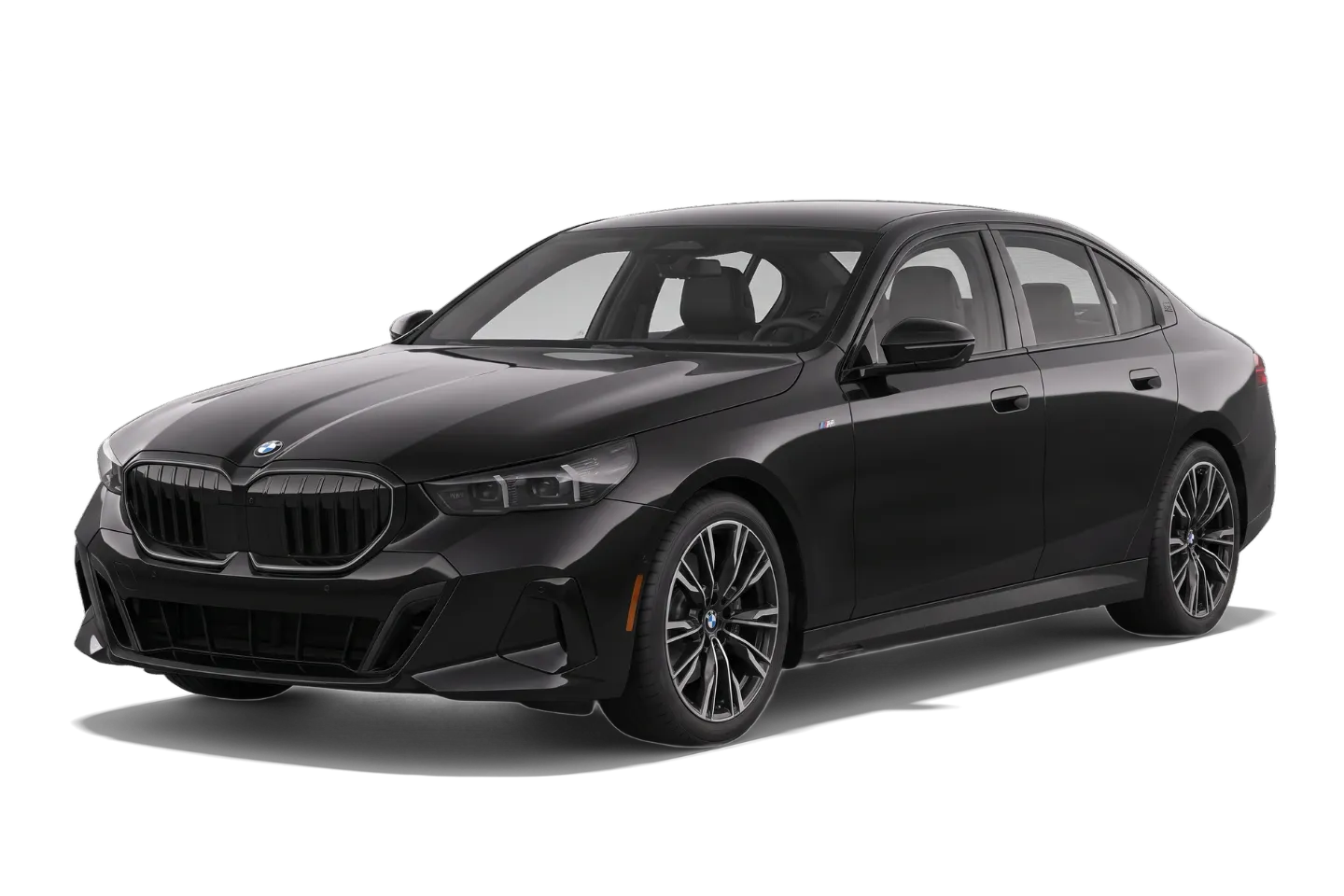
- Sedans for up to 3 passengers, including the Mercedes-Benz E-Class and S-Class.
- SUVs for up to 6 passengers, such as the Cadillac Escalade.
- Stretch limousines, with capacity depending on the model.
- Sprinter vans for 10 to 14 passengers.
- Party buses for 20 to 30 passengers.
- Mini charter buses for 24 to 35 passengers.
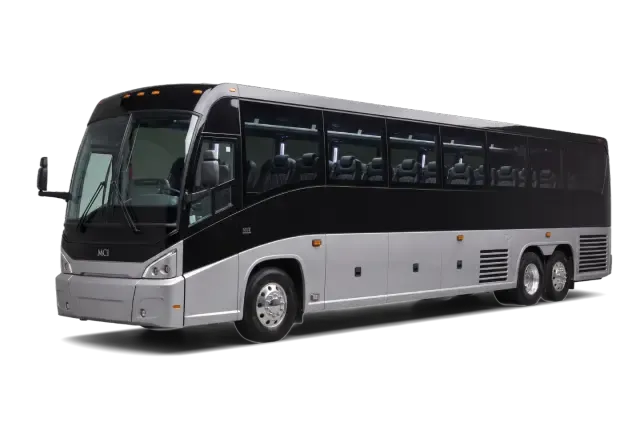
- Motor coaches for up to 56 passengers.
Every driver is background checked, professionally trained, and familiar with local routes. We quote fixed prices in writing.
Why Do Clients Choose Us?
- Nearly three decades of experience.
- Fixed, written prices.
- Punctual, courteous chauffeurs.
- Vehicles for every party size.
- A dispatcher on the phone at any hour.
So Is a Chauffeur Better Than a Taxi?
For short, spontaneous rides in a city center, a taxi is quicker to find and cheaper. For planned trips, airport transfers at awkward hours, groups, multi stop days, business travel, and special occasions, a chauffeur offers a fixed price, a reserved vehicle, and a level of service that a metered ride does not attempt. In California, with its long distances and heavy traffic, that reliability is often worth the premium.
When your trip calls for a chauffeur, call Legendary Limousine at +1 (718) 221-4771 or request a quote online from Legendary Limousine. We will confirm the vehicle and the price in writing.

Jessica K. Smith
- Strategic Writer & Content Manager
Strategic senior writer and content manager with 20+ years in healthcare communications and marketing. Excellent editor committed to producing creative, effective content, from social posts to product collateral to thought…