From a quiet sedan for one traveler to a 56 seat coach for a conference, our guide describes every vehicle class a chauffeured car company runs in California, with seats, luggage room, and 2026 fares.
A modern car service fleet runs from a quiet executive sedan for one traveler to a 56 seat motor coach for a conference. Most companies providing car service in California offer five core classes: luxury sedans, luxury SUVs, Sprinter vans, stretch limousines, and buses, with first class sedans, electric vehicles, and accessible vans available from some operators. The right choice depends on how many people are traveling, how much luggage they carry, and what the trip is for. At Legendary Limousine, we have matched passengers to vehicles since 1997, and this guide describes each class with its capacity, its best uses, and its 2026 price.
As a rule of thumb: sedans carry up to three, SUVs up to six, Sprinters ten to fourteen, and buses twenty four to fifty six.
Which Vehicles Do Car Services Offer at a Glance?
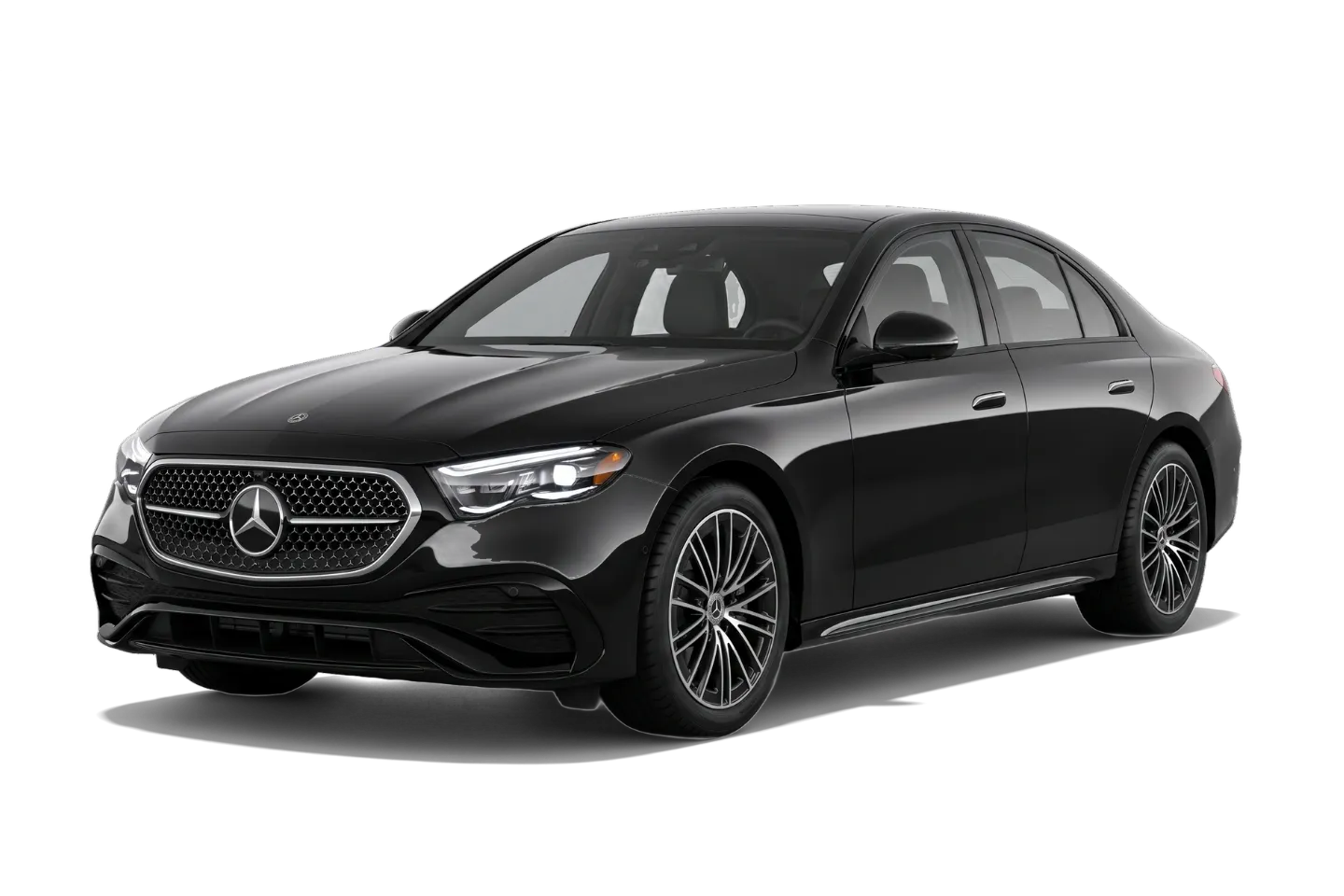
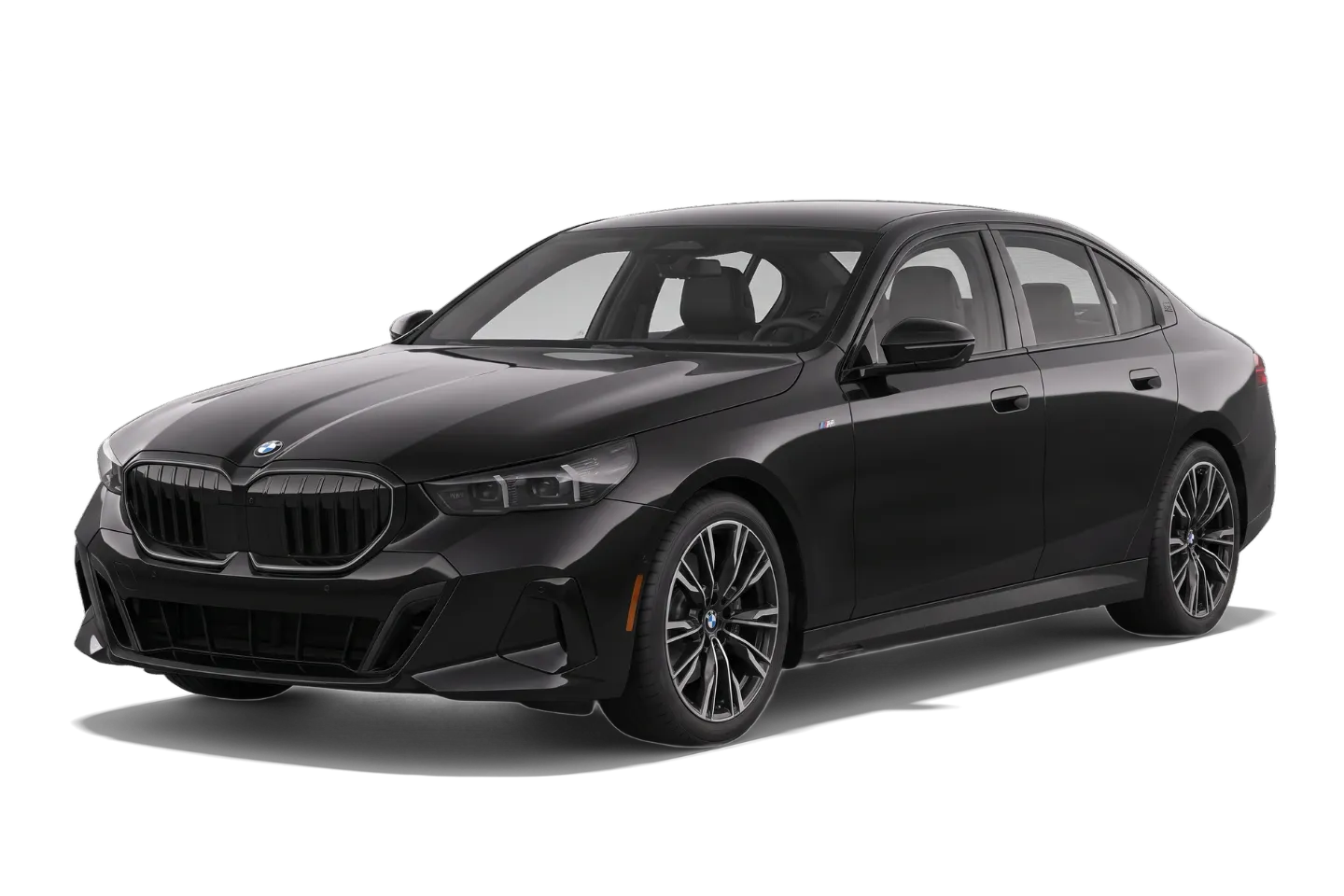
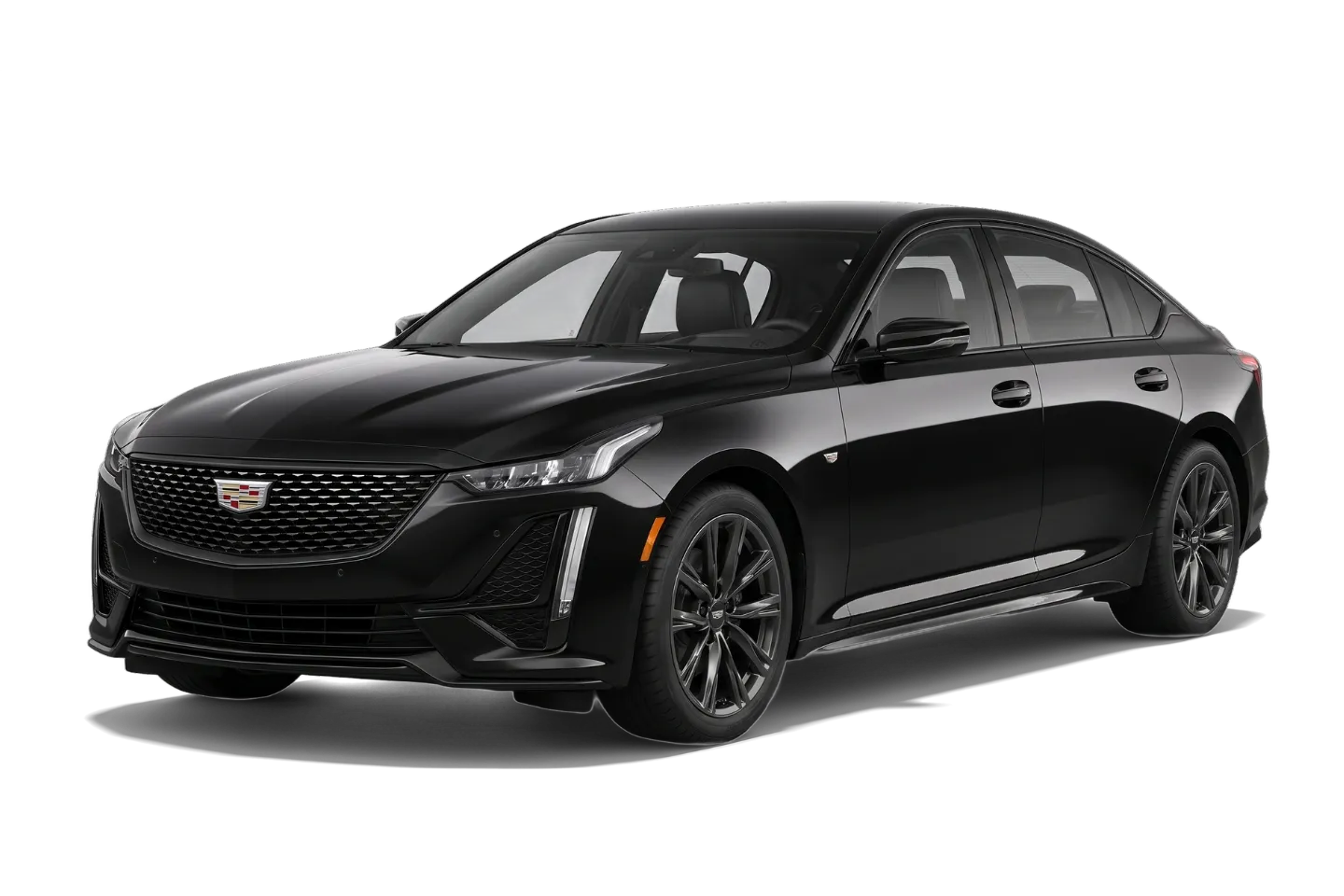
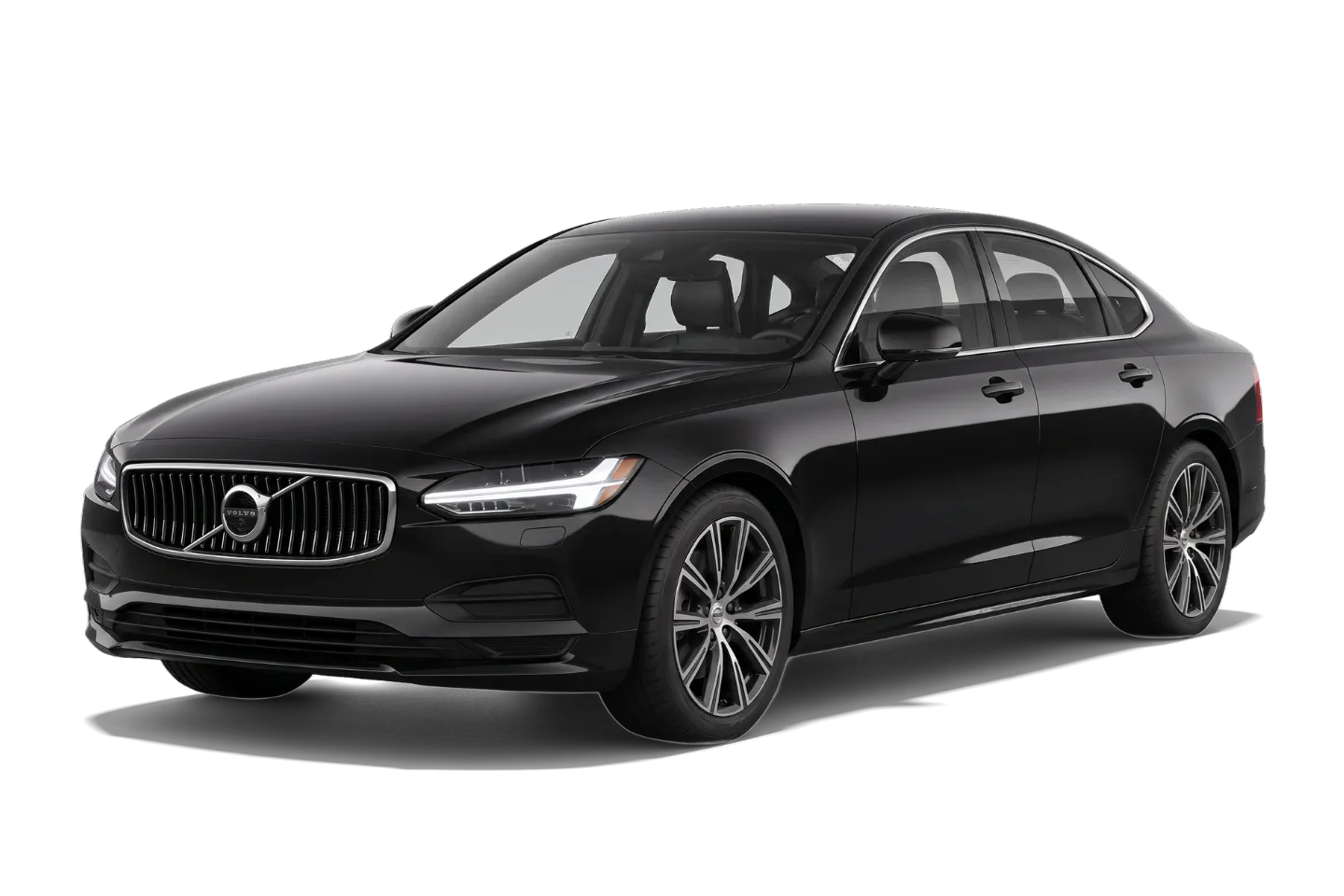
- Executive sedan: up to 3 passengers. $85 to $120 per hour, or $85 to $150 for a transfer of 15 to 20 miles.
- First class sedan: up to 3 passengers, at a premium over the executive class.
- Luxury SUV: up to 6 passengers. $110 to $160 per hour, or $110 to $190 per transfer.
- Sprinter van: 10 to 14 passengers. $140 to $220 per hour, or $160 to $270 per transfer.
- Stretch limousine: capacity depends on the model, with sedan based stretches seating 6 to 10. $150 to $275 per hour.
- Party bus: 20 to 30 passengers. $200 to $400 per hour.
- Mini charter bus: 24 to 35 passengers. $160 to $300 per hour.
- Motor coach: up to 56 passengers. $180 to $340 per hour.
Hourly bookings usually have a minimum of three to four hours. Our fleet page shows the vehicles.
Executive Sedans
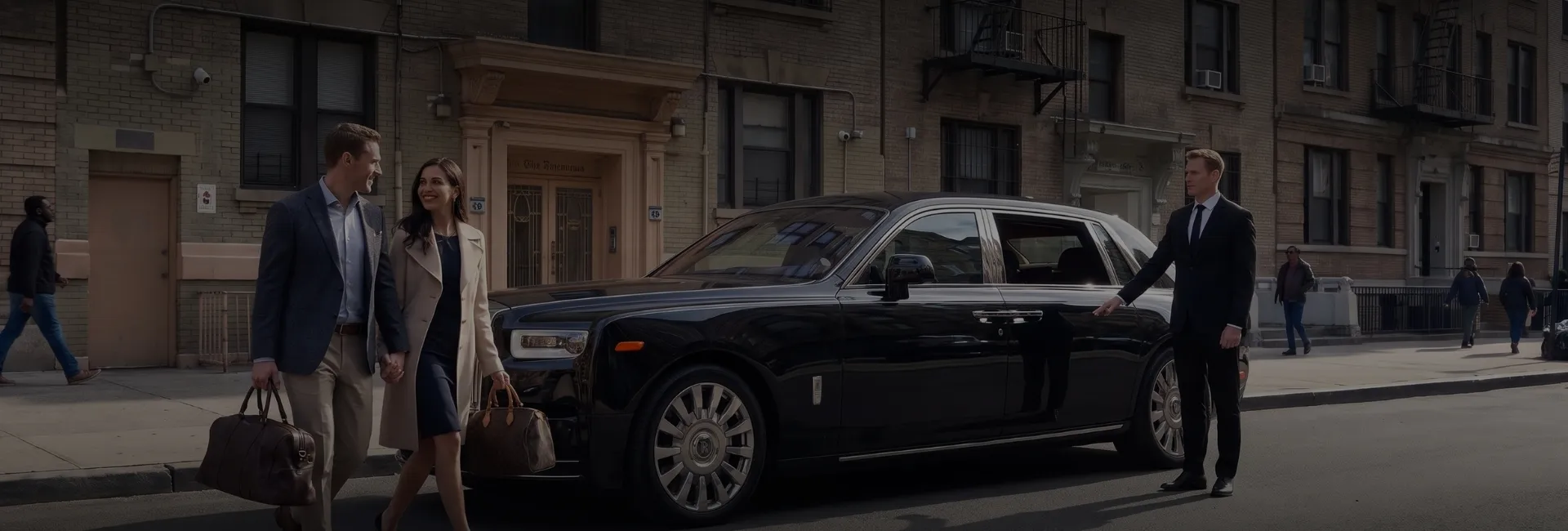
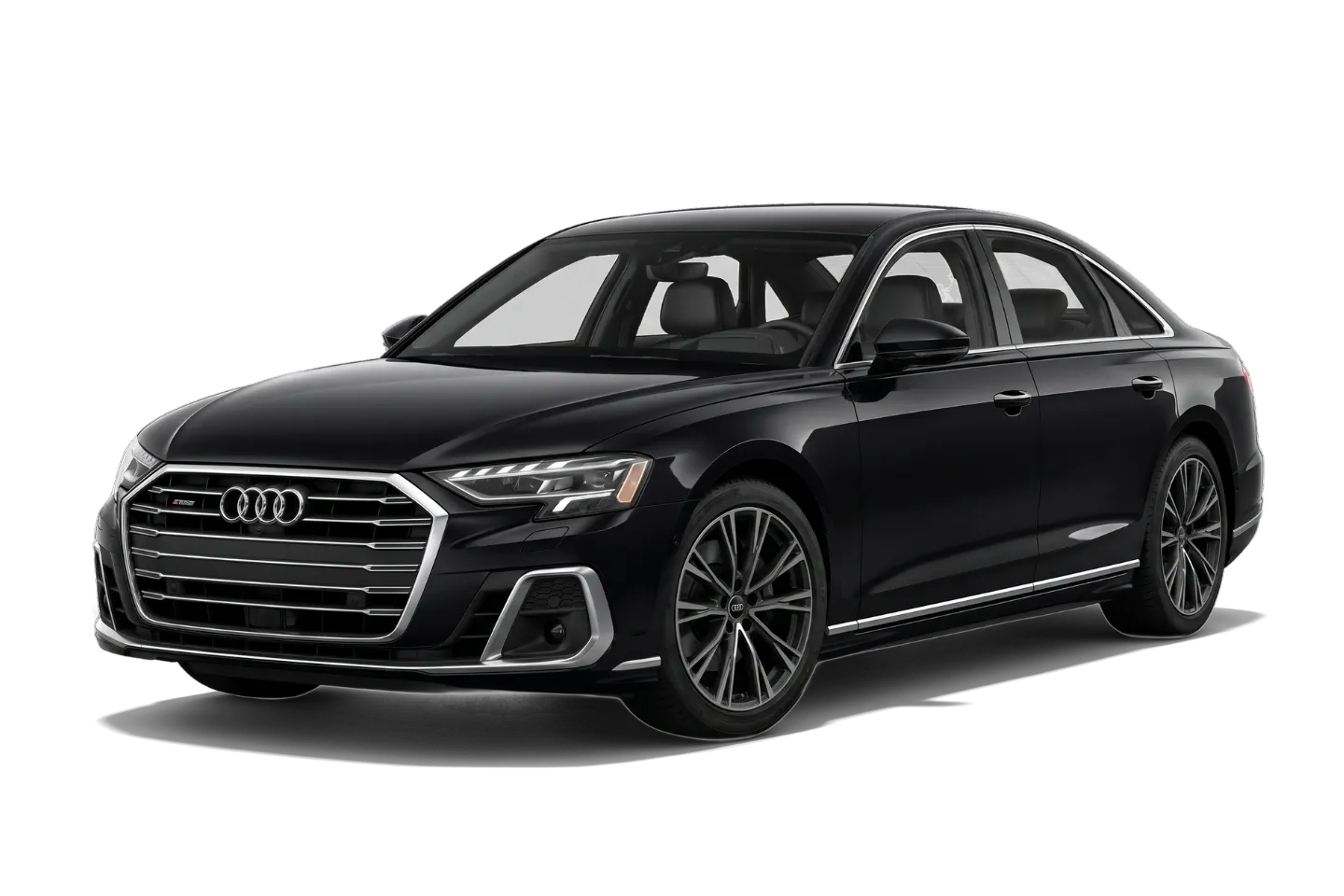
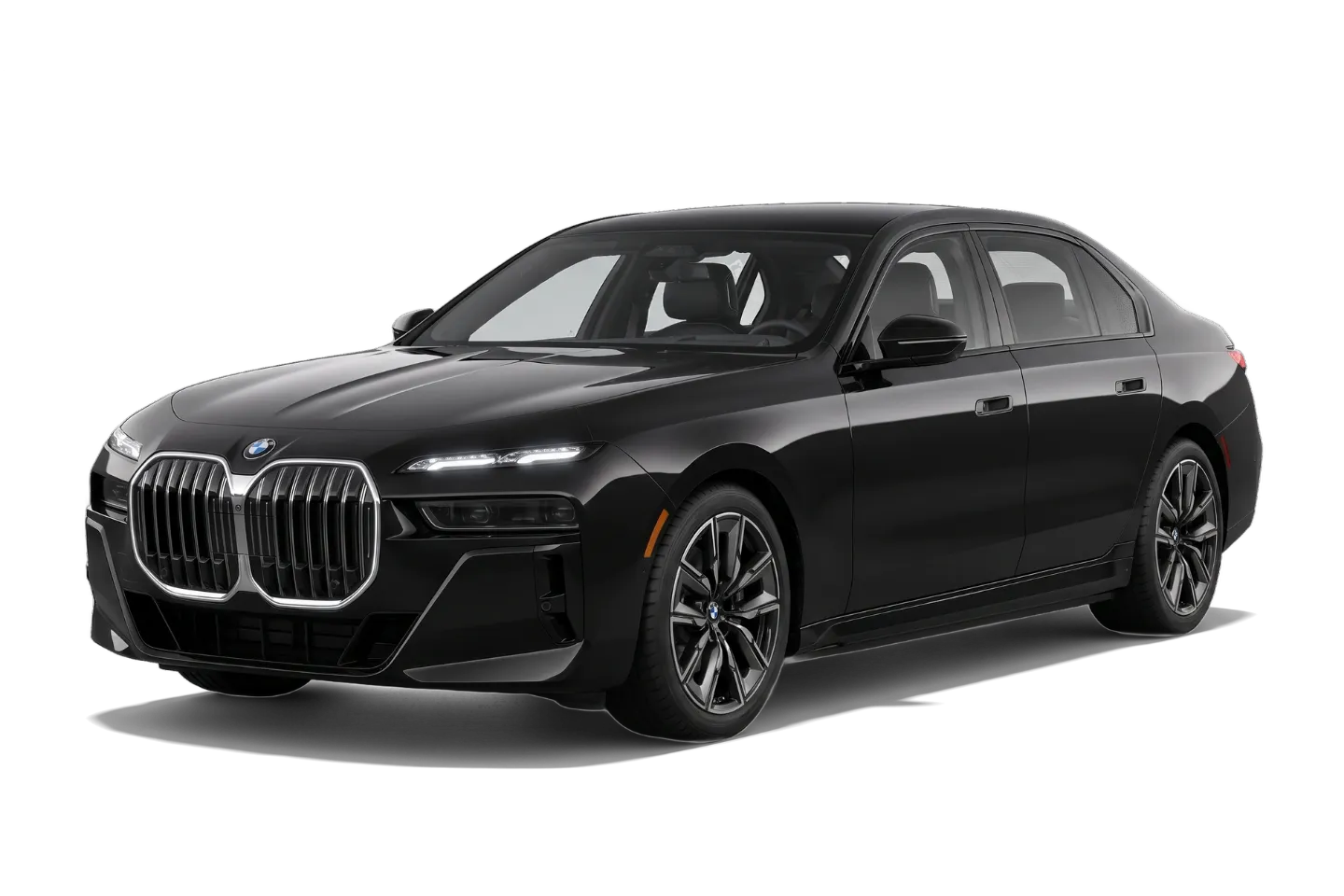
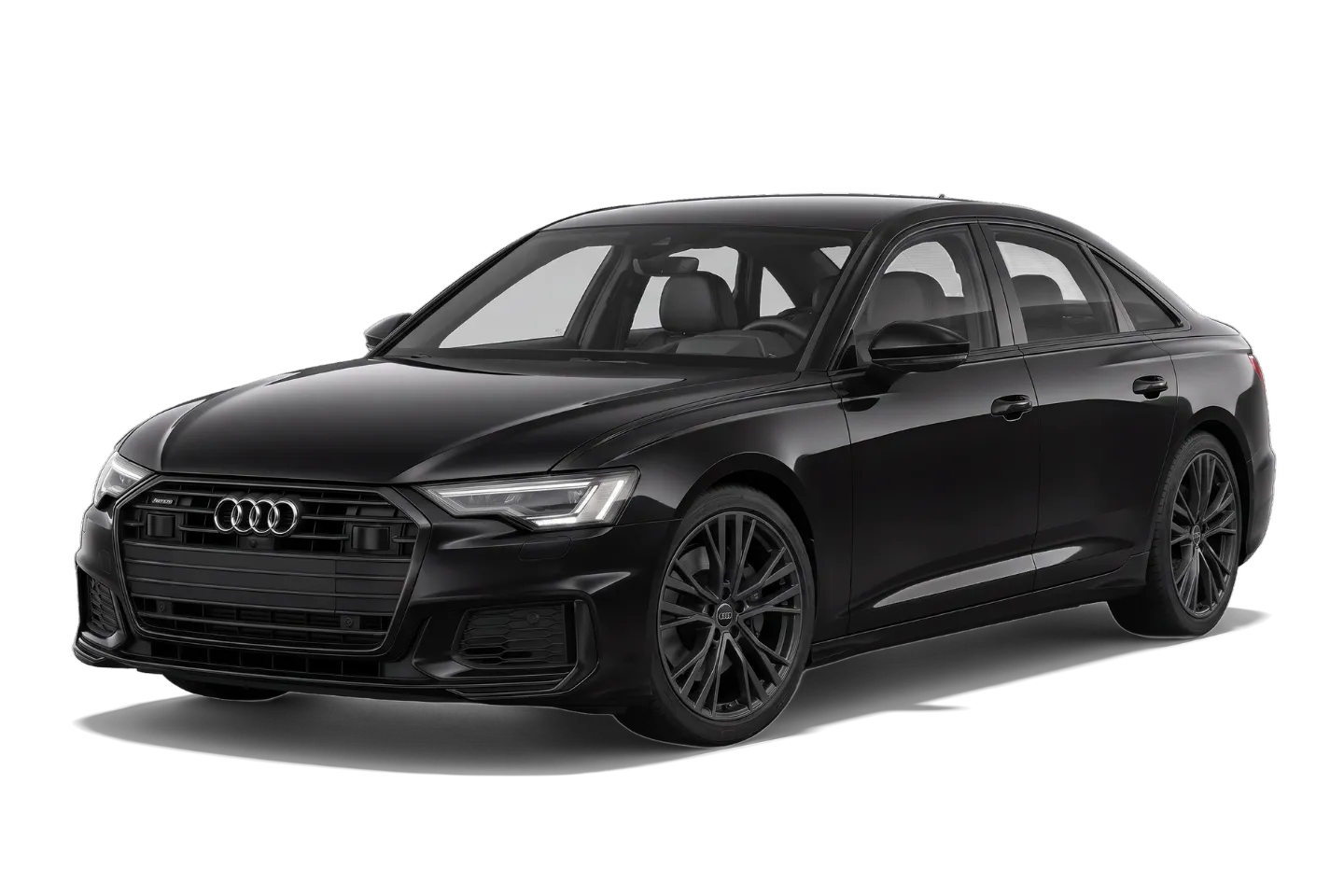
The executive sedan is the backbone of every car service. Typical models include the Mercedes-Benz E-Class and comparable cars from other premium makers. The rear seat offers generous legroom, the cabin is quiet at freeway speed, and the trunk takes two large suitcases and a pair of carry ons. Inside, passengers find leather upholstery, rear air vents, charging ports, and bottled water.
Sedans suit solo travelers and couples on airport transfers, executives moving between meetings, and anyone who wants a comfortable ride without paying for space they do not need. Three adults fit, though the middle rear seat is best kept for short trips. A sedan is also the most economical class, which makes it the default choice for frequent travelers.
First Class Sedans
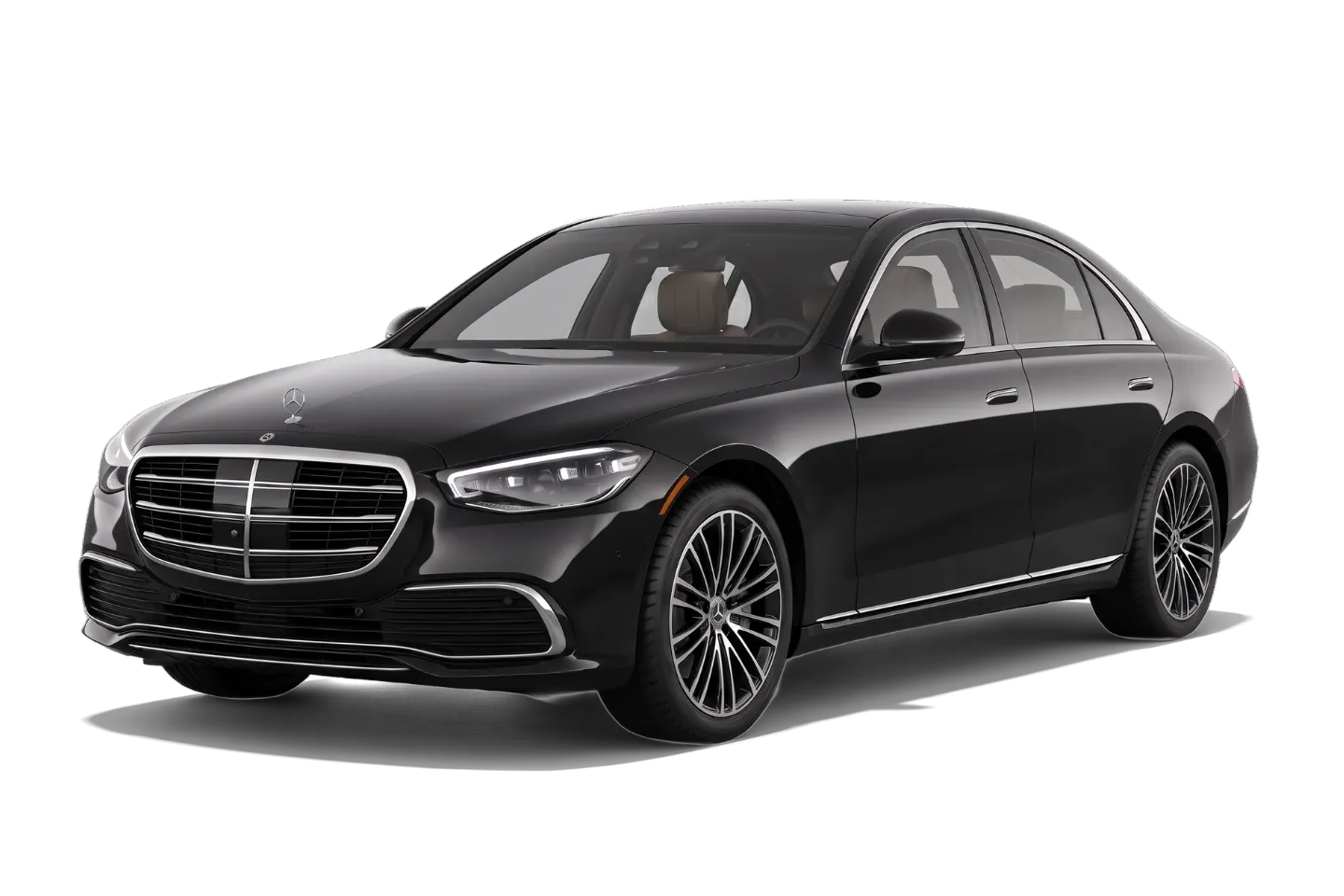
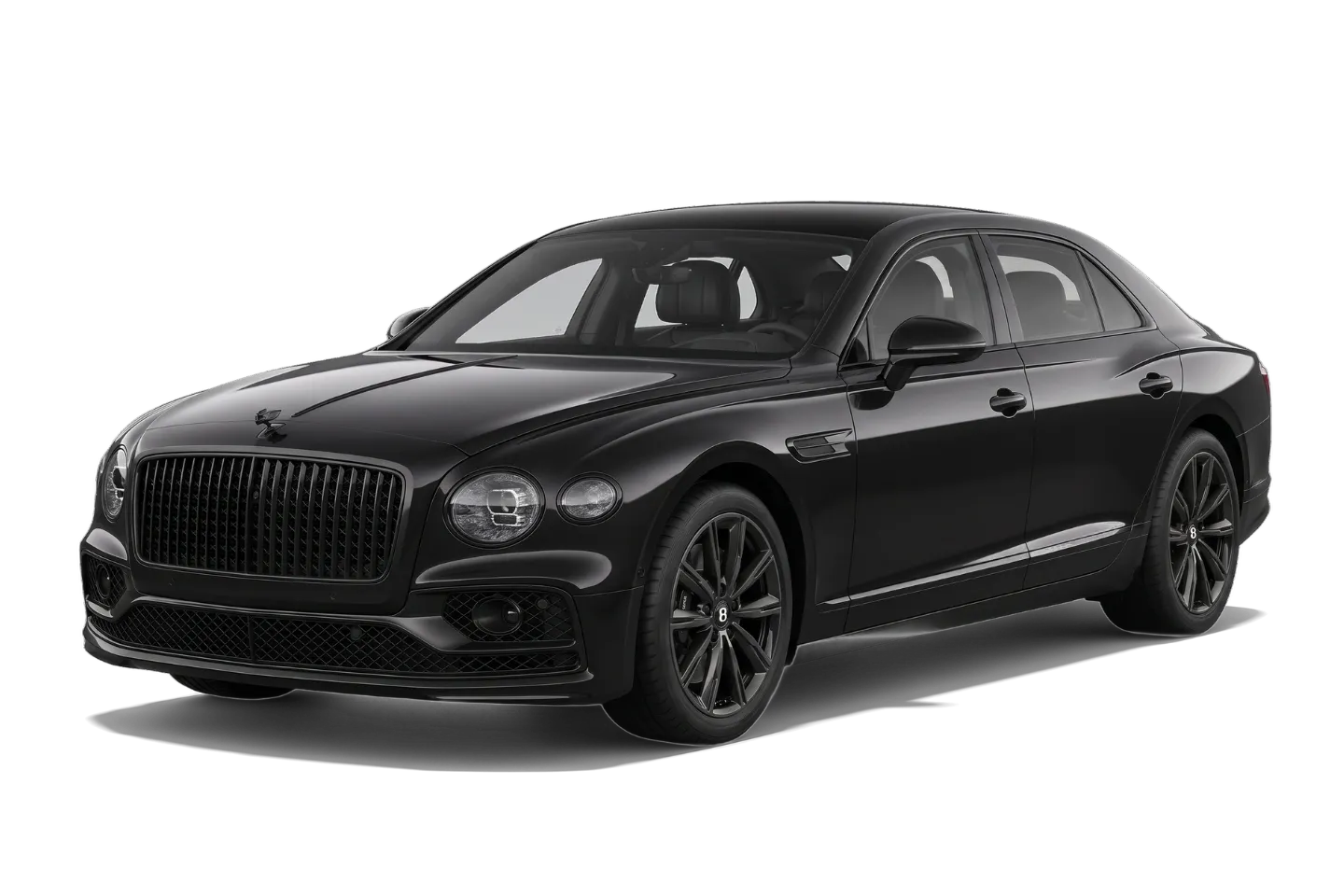
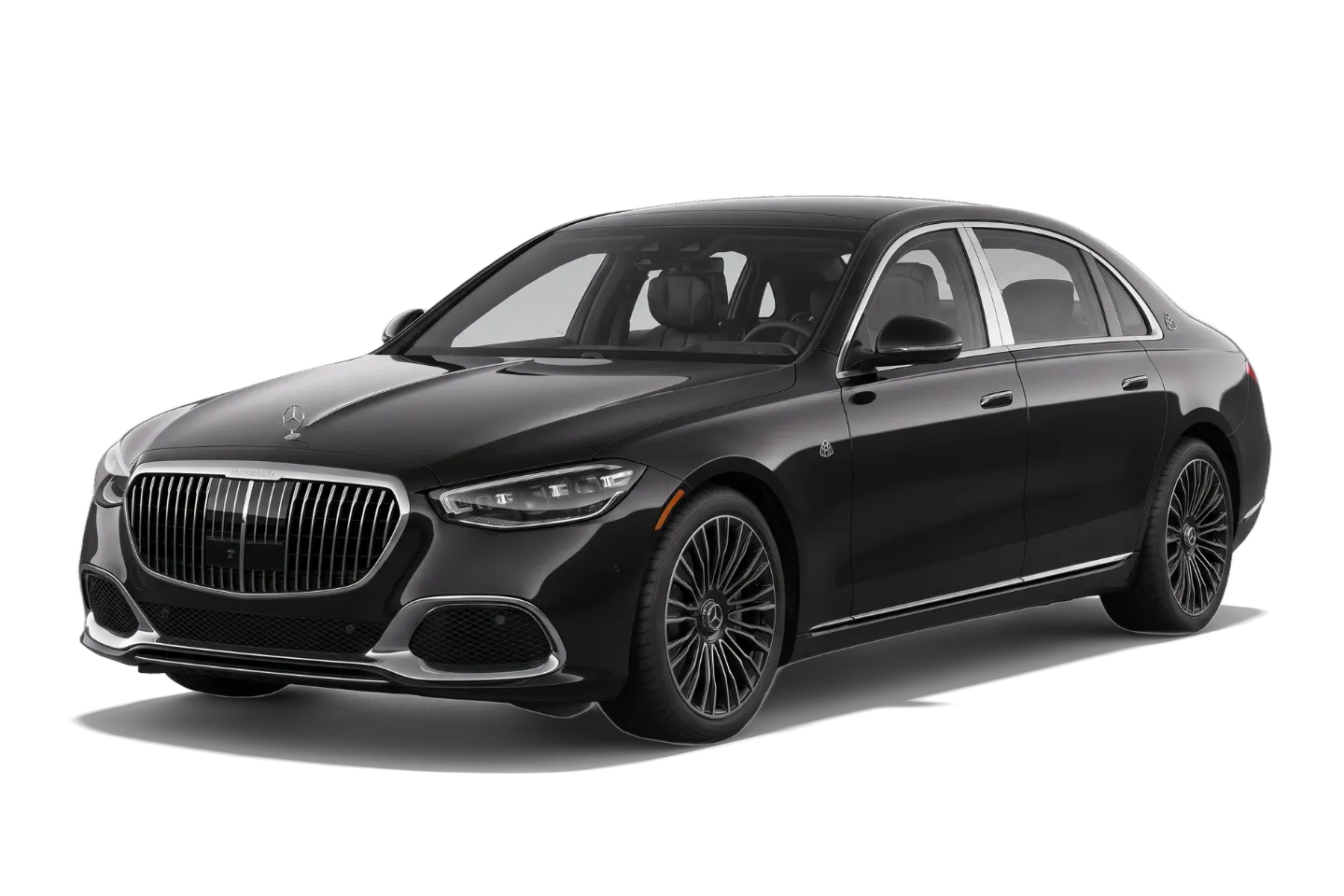
One step up is the flagship sedan, represented by the Mercedes-Benz S-Class and its peers. The differences are felt from the back seat: a longer wheelbase, reclining seats that may include massage, rear sunshades, finer materials, and an even quieter ride. Clients choose it for senior executives, visiting dignitaries, weddings, and occasions where the arrival matters. Expect to pay above the standard sedan rate, with the size of the premium varying by company.
Luxury SUVs
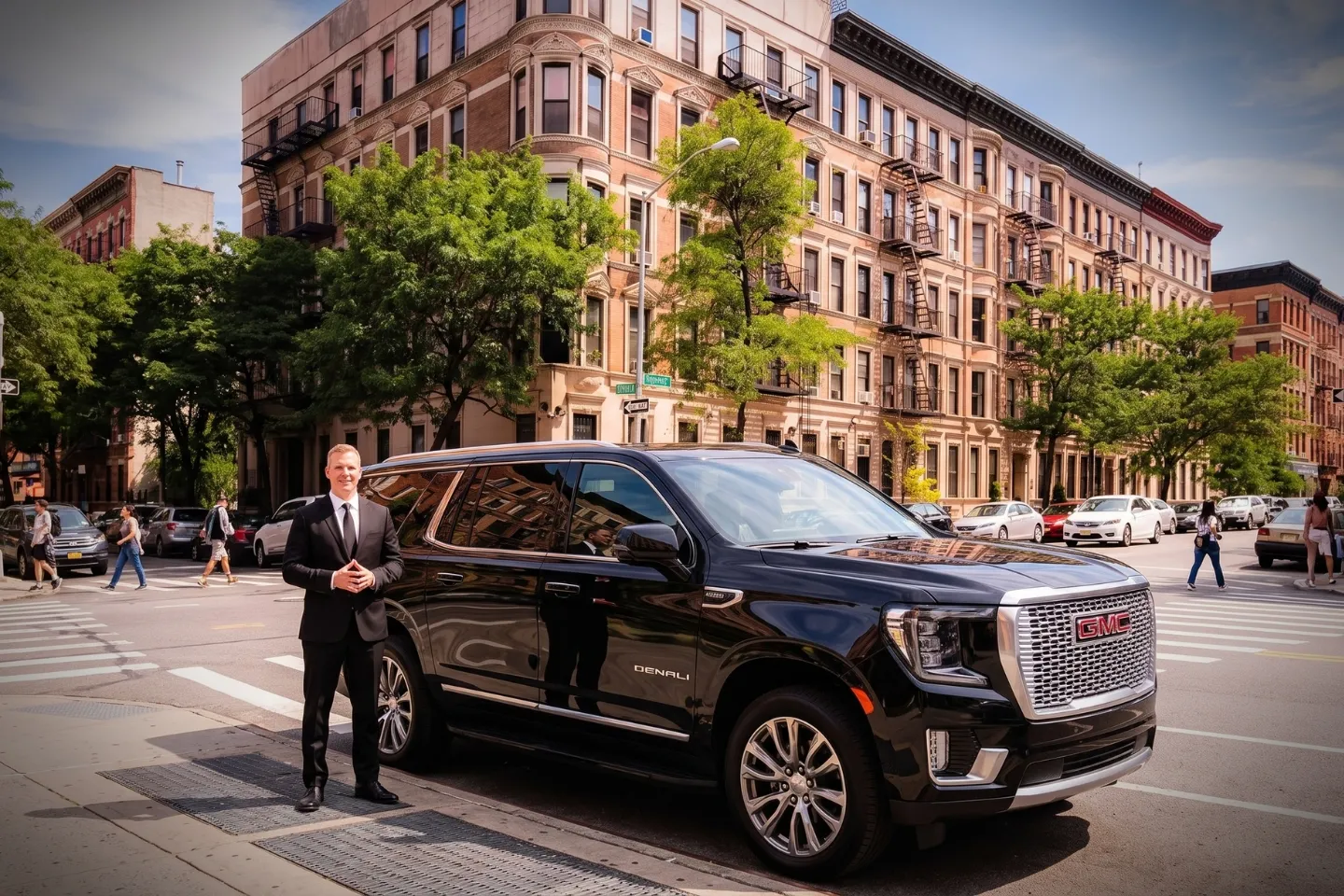
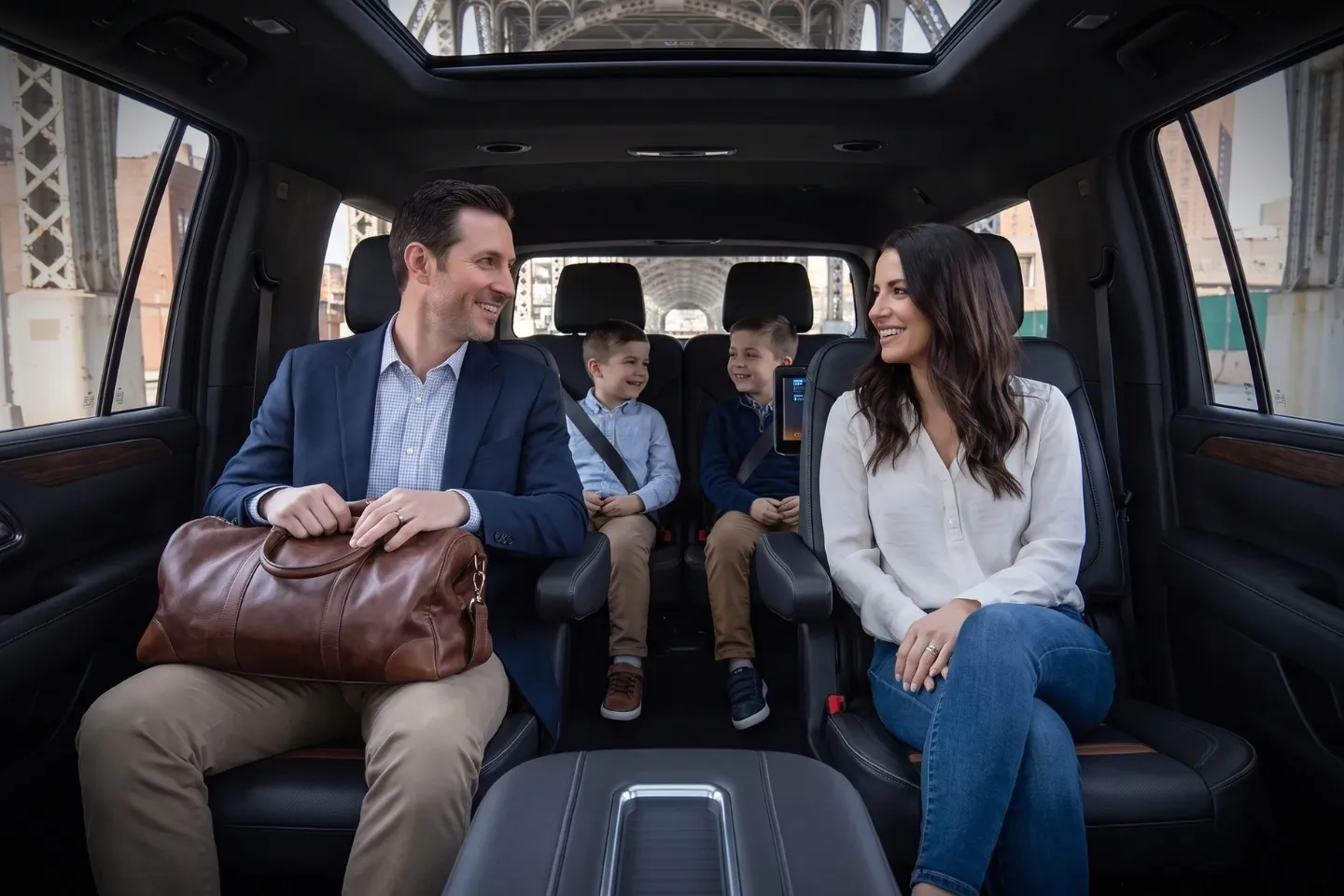
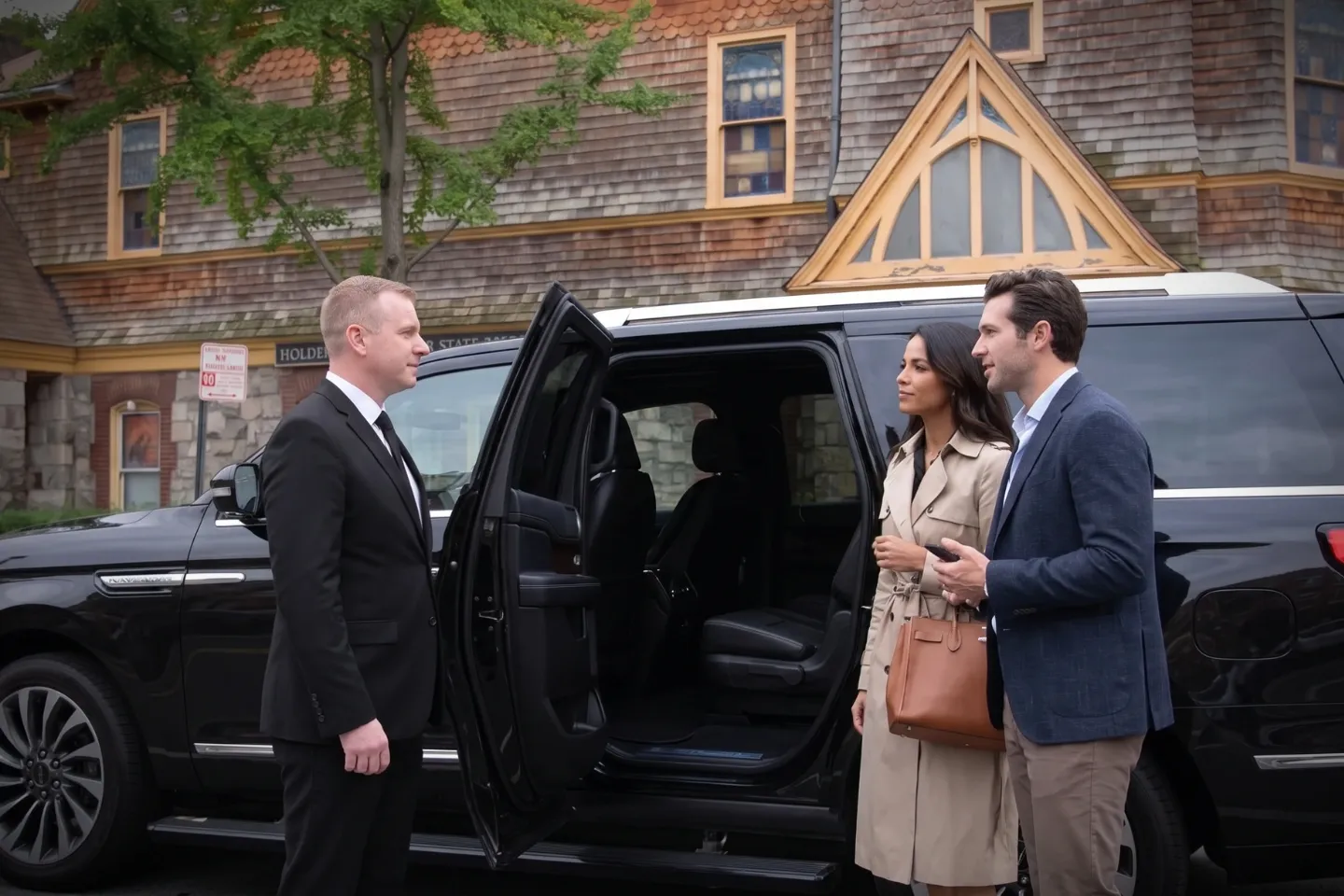
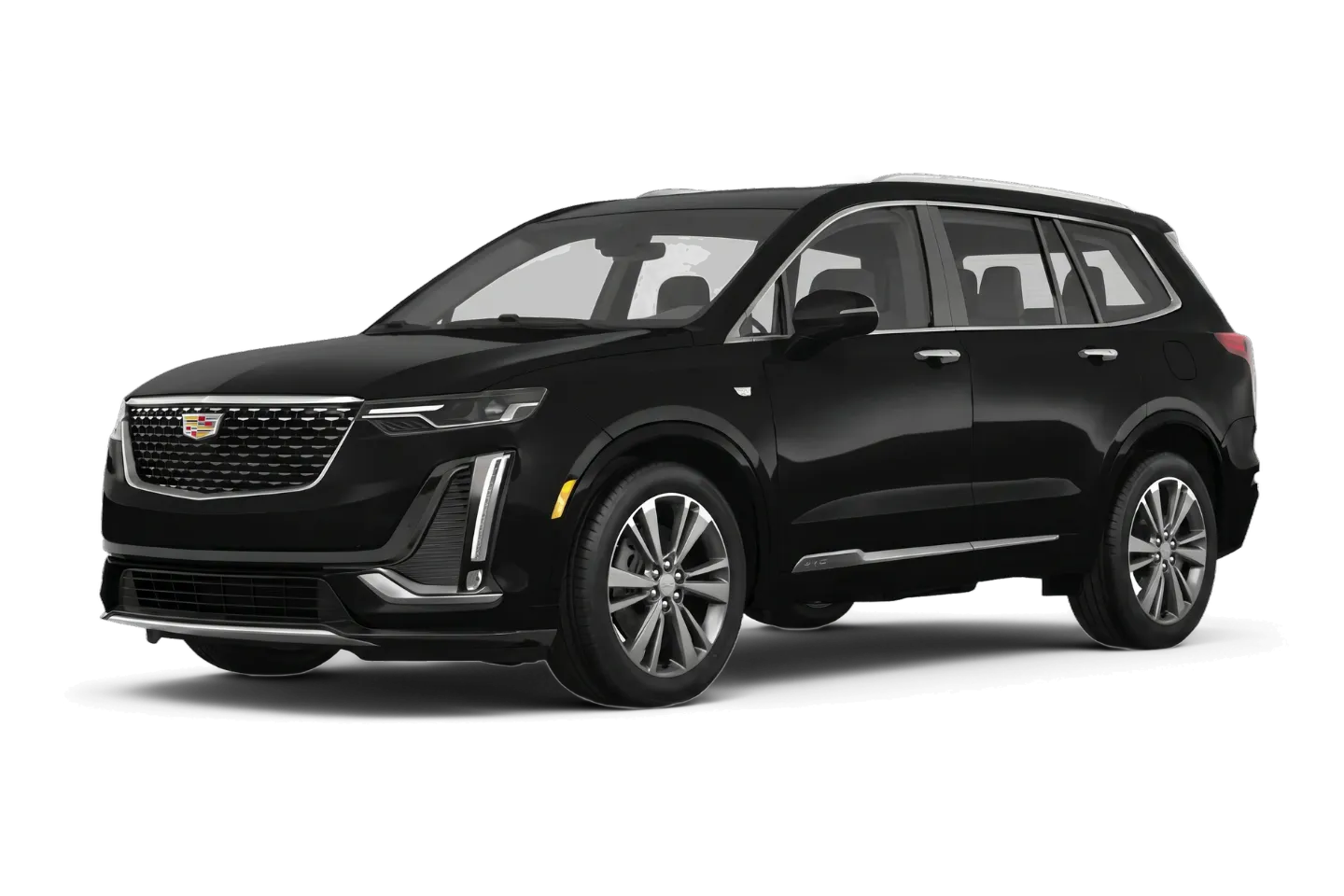
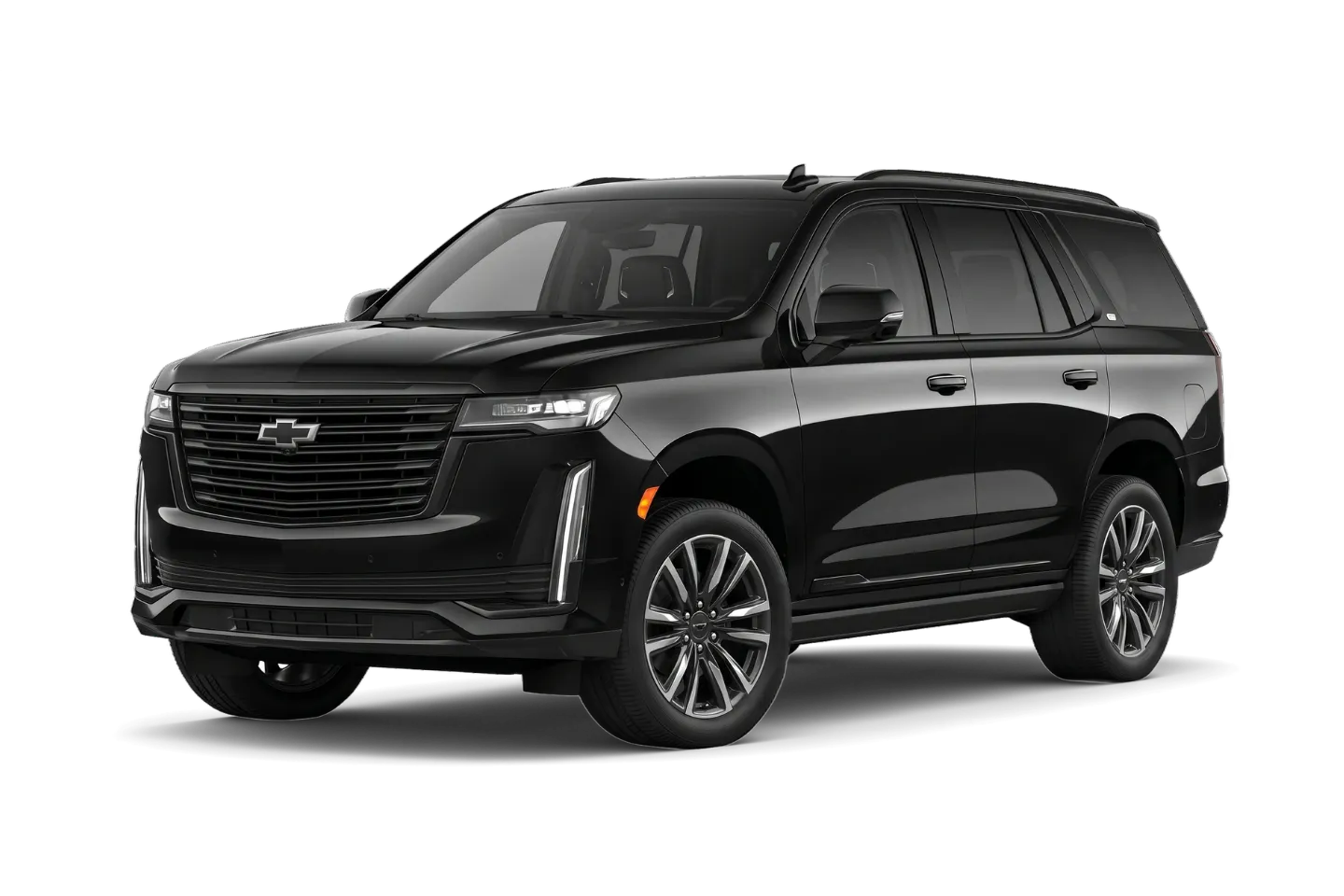
Full size SUVs such as the Cadillac Escalade seat up to six passengers in three rows and have a large cargo area when the third row is folded. They ride high, give a commanding view, and absorb rough pavement well. Wide doors and a tall roofline make entry easy for older passengers.
- Families: room for children, a stroller, and holiday luggage.
- Small teams: four or five colleagues traveling together.
- Travelers with bulky bags: golf clubs, skis, trade show samples, and camera equipment.
- Mountain and winter trips: many are all wheel drive, which helps on the roads to Lake Tahoe and Mammoth.
- Security conscious clients: the SUV is the usual choice for protective details.
One caution applies. With six passengers seated, luggage space is limited to a few small bags. Six travelers with six suitcases need a Sprinter.
Sprinter Vans
The Mercedes-Benz Sprinter fills the gap between an SUV and a bus. A high roof allows adults to stand, a wide sliding door speeds boarding, and seating comes in three main layouts.
- Passenger layout: 12 to 14 forward facing seats with a rear luggage area. Best for airport groups and tours.
- Executive layout: 8 to 12 captain's chairs with tables, outlets, and screens. Best for corporate teams.
- Limo layout: 10 to 14 seats around the perimeter with lighting and a sound system. Best for celebrations.
Sprinters are popular for wine country, since they fit winery lanes that turn buses away. Our California Sprinter van service page has further details.
Stretch Limousines
The stretch remains the vehicle for celebrations. A lengthened body holds bench seating along the sides, a privacy divider, mood lighting, a sound system, and a bar area with glassware. Capacity depends on the model, and sedan based stretches typically seat 6 to 10. Weddings, proms, anniversaries, quinceañeras, and nights out are its natural territory. The low roof means passengers stoop and slide to their seats, and luggage space is small, so it is a poor match for airport runs with many bags. Our California limo service page describes the options.
Party Buses
A party bus puts a lounge on wheels: wraparound seating for 20 to 30, a dance floor area, LED lighting, and a powerful sound system. Groups book it for birthdays, bachelor and bachelorette parties, concerts, and proms. Per passenger, it is often the least expensive celebration vehicle. A five hour booking at $1,500 costs about $63 each for 24 riders before gratuity.
Mini Buses and Motor Coaches
When a group outgrows a van, car services turn to buses. A mini charter bus seats 24 to 35 and handles hotel driveways and city streets well. A full size motor coach seats up to 56, with reclining seats, overhead racks, luggage bays, and usually a restroom. Corporate shuttles, wedding guest transport, school and sports trips, and tours all use them. Our California charter bus service page explains how group bookings work.
Electric and Hybrid Vehicles
California leads the country in electric vehicle adoption, and chauffeured fleets have followed. Electric sedans and SUVs from premium makers now appear in many fleets, particularly in Los Angeles and the Bay Area. Passengers notice the silence and the smooth acceleration. Companies with sustainability targets often request them for employee and client travel. Range and charging time limit their use on very long days, so a dispatcher may assign a conventional vehicle for a tour of several hundred miles. Availability differs from one company to the next, so ask when you book if an electric vehicle matters to you.
Wheelchair Accessible Vehicles
Some operators run vans fitted with a ramp or lift and securement points, so that a passenger can travel seated in a wheelchair. Not every company has one, and those that do may need notice. For passengers who can transfer to a seat, a sedan or an SUV works well, and the folded chair rides in the trunk. Describe the need clearly at booking so that the right vehicle and enough time are allowed.
Specialty Vehicles
- Vintage and classic cars: offered by specialist firms for weddings and photographs.
- Executive vans with conference seating: mobile meeting rooms for roadshows.
- Stretch SUVs: larger than a sedan based stretch, with capacity that varies by vehicle.
- Armored vehicles: available from security focused providers for clients with specific risks.
How Do Licensing Rules Change with Vehicle Size?
Every class described here, when operated for hire in California, falls under the Public Utilities Commission, which licenses charter party carriers. A TCP number and commercial insurance are the marks of a legitimate operator.
Driver licensing steps up with capacity. A sedan or SUV chauffeur holds a standard license. A vehicle designed to carry over ten people including the driver is a commercial vehicle, and the Department of Motor Vehicles sets out the commercial driver's license and passenger endorsement required. That covers Sprinters, larger limousines, and every bus. Buses and modified limousines are also subject to safety inspection by the California Highway Patrol.
For coaches operated by carriers with federal registration, the Federal Motor Carrier Safety Administration's Look Before You Book resource leads to safety records.
Which Vehicle Fits Which Trip?
Airport Transfers
A sedan for one to three travelers, an SUV for four to six or for heavy luggage, and a Sprinter for groups. Our article on airport pickups by California car services explains the process.
Business Travel
An executive sedan for individuals, a first class sedan for senior guests, an SUV or executive Sprinter for teams, and a coach for conference shuttles.
Weddings
A first class sedan or a stretch for the couple, a Sprinter for the wedding party, and a mini bus for guests.
Wine Tours
An SUV for up to six, and a Sprinter for larger groups. Check each winery's limits on vehicle and group size.
Family Travel
An SUV for a family of five with bags, and a Sprinter when grandparents and cousins join.
Nights Out and Events
A sedan for a couple, a stretch or limo style Sprinter for a group, and a party bus for a crowd.
Sightseeing
A sedan or SUV for a private tour of the coast, and a Sprinter or coach for group tours.
Which Vehicles Suit California's Roads and Regions?
The state's geography shapes the choice as much as the passenger count does. In San Francisco, steep grades and tight corners favor sedans and SUVs, and long vehicles need careful routing. In Los Angeles, where trips are long and freeways dominate, a quiet sedan with good rear seat comfort earns its keep. In the Sierra during winter, an all wheel drive SUV is the sensible pick, and chain controls can stop a rear wheel drive stretch entirely. In wine country, Sprinters reach estates that restrict buses. In the desert around Palm Springs, strong rear air conditioning matters above all, which favors newer vehicles. Along Highway 1 through Big Sur, a sedan or SUV handles the curves with less sway than a tall van, a point worth knowing for passengers prone to motion sickness.
What About Children and Car Seats?
California requires an appropriate car seat or booster for young children, and the rule applies in hired vehicles. Sedans and SUVs have anchor points for modern seats, and many car services supply a seat on request when given the child's age and weight. Each seat occupies one position, which can turn a party of three adults and two toddlers from a sedan booking into an SUV booking. Mention children early so that the vehicle and the seats are ready at pickup.
How Much Luggage Does Each Vehicle Hold?
- Executive sedan: two large suitcases and two carry ons.
- First class sedan: similar, with a slightly larger trunk in some models.
- SUV with four passengers: four to five large suitcases.
- SUV with six passengers: a few small bags only.
- Passenger Sprinter: ten to twelve large suitcases in the rear area.
- Stretch limousine: two or three bags in the trunk.
- Mini bus: limited space unless a rear compartment is fitted.
- Motor coach: luggage bays beneath the cabin for every passenger.
These are general guides. Tell the company the exact number of bags and any unusual items, and let the dispatcher confirm the fit.
Which Amenities Come with Each Class?
Every chauffeured vehicle should be clean, climate controlled, and stocked with bottled water. Beyond that, features vary. Sedans and SUVs offer leather seats, rear climate controls, and charging ports. First class sedans add reclining rear seats and sunshades. Executive Sprinters provide tables, power outlets, and screens. Stretch limousines and party buses bring lighting, sound, and a bar area. Coaches have reclining seats, reading lights, and often wireless internet. If a feature matters to you, such as a rear screen for a presentation or a particular charging cable, request it when you book.
How Do the Classes Compare on Cost per Person?
For a transfer of 15 to 20 miles at mid range 2026 fares:
- Sedan at $120 with 2 passengers: $60 each.
- SUV at $150 with 5 passengers: $30 each.
- Sprinter at $215 with 12 passengers: about $18 each.
For a four hour evening:
- Sedan at $100 per hour with 2 passengers: $200 each.
- SUV at $135 per hour with 6 passengers: $90 each.
- Sprinter at $180 per hour with 12 passengers: $60 each.
- Party bus at $300 per hour with 24 passengers: $50 each.
Larger vehicles cost above smaller ones per hour and less per head when the seats are filled. Our guide to what a car service costs in California covers fares in depth.
How Do You Choose the Right Vehicle?
- Count the passengers. Include children, who each need a seat.
- Count the bags. Luggage decides as often as people do.
- Consider comfort. For a ride of two hours or longer, leave a seat or two empty.
- Think about access. Older passengers and formal wear favor a high roof and wide doors.
- Check the destination. Steep driveways, parking structures, and winery lanes limit large vehicles.
- Match the occasion. A sedan is discreet, and a stretch is festive.
- Set the budget. Compare the cost per person.
If you are unsure, describe the trip to the reservations team. A good agent recommends the smallest vehicle that does the job. Our guide on choosing a car service in California covers the company side of the decision.
What Should You Ask About the Vehicle Itself?
- What is the make, model, and model year?
- How many seat belts does it have?
- Can you send current photographs?
- Is the exact vehicle guaranteed, or a class of vehicle?
- What happens if it is unavailable on the day?
- How often is the fleet serviced and replaced?
Reputable companies keep vehicles for a few years and maintain them on a schedule. A fleet of well kept, recent models is a sign of a well run business.
Which Mistakes Do Customers Make?
- Booking a sedan for four adults. Three is the limit.
- Filling an SUV and forgetting the luggage.
- Choosing a stretch for the airport.
- Ordering a coach for a venue that cannot receive one.
- Assuming every vehicle in a class is identical.
- Paying for a larger class than the trip needs.
What Does Our Fleet Include?
Legendary Limousine has provided chauffeured vehicles since 1997. Dispatch is staffed 24 hours a day, flights are tracked, and airport arrivals include one hour of complimentary waiting with a meet and greet on request.
- Sedans for up to 3 passengers, including the Mercedes-Benz E-Class and S-Class.
- SUVs for up to 6 passengers, such as the Cadillac Escalade.
- Stretch limousines, with capacity depending on the model.
- Sprinter vans for 10 to 14 passengers.
- Party buses for 20 to 30 passengers.
- Mini charter buses for 24 to 35 passengers.
- Motor coaches for up to 56 passengers.
Every driver is background checked, professionally trained, and familiar with local routes. We confirm the vehicle class and the price in writing.
Why Book with Us?
- Nearly three decades of experience.
- A vehicle for every group size through one contact.
- Honest advice on the right class.
- Written quotes with the extras shown.
Ready to Choose Your Vehicle?
California car services offer executive and first class sedans for up to three passengers, SUVs for up to six, Sprinter vans for ten to fourteen, stretch limousines and party buses for celebrations, and mini buses and coaches for large groups. Count your passengers and bags, think about access and the destination, and compare the cost per person. Then book with a licensed company that confirms the vehicle in writing.
For a recommendation, call Legendary Limousine at +1 (718) 221-4771 or send your trip details online to Legendary Limousine. We will suggest a vehicle and reply with a written quote.

Jessica K. Smith
- Strategic Writer & Content Manager
Strategic senior writer and content manager with 20+ years in healthcare communications and marketing. Excellent editor committed to producing creative, effective content, from social posts to product collateral to thought…